
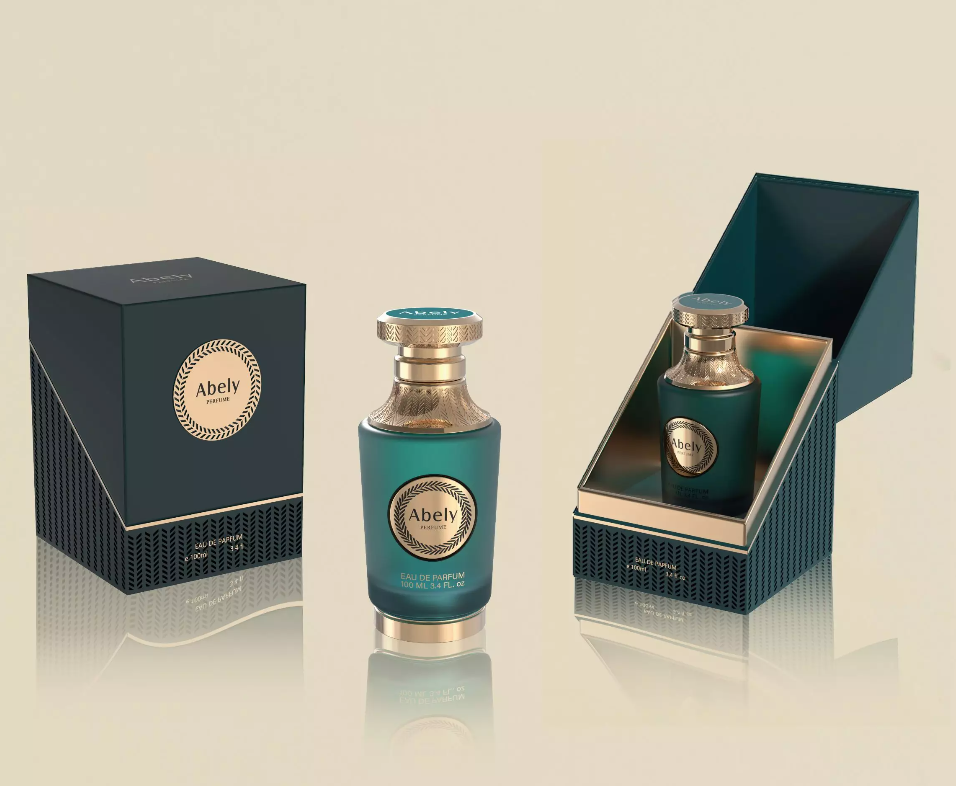
Opening: Why the bottle matters in a crowded market
When you’re deciding on a new perfume bottle for a launch, you’re not just picking glass — you’re choosing the first handshake with a customer. In Hong Kong’s luxury windows along Canton Road and Tsim Sha Tsui, I’ve seen how a compact silhouette can stop a passerby dead in their tracks; that struck me — and it’s why Abely’s New perfume bottle options deserve a close look. Comparative thinking helps: which profile sells better, which material keeps fragrance stable, and which wholesale partner can deliver at scale without drama.
Design vs. Durability: Glass, PET, and Metal considerations
Design often wins the brief, but durability wins repeat purchases. Consider three common constructions:
– Glass: premium feel, higher perceived value, excellent for heavy perfumes but heavier for shipping.
– PET/plastic: light, shatterproof, and cheaper — good for travel sizes and sports fragrances.
– Metal/laminated: modern look, great for branding, but can complicate filling and recycling.
If you’re evaluating 100ml sizes, check how each material performs for evaporation and headspace — that’s where 100ml empty perfume bottles show real differences in finish and cap fit. In short: match material to use-case, not just to mood.
Wholesale realities: MOQ, lead time, and cost trade-offs
Brands often forget the math. Wholesale pricing scales fast, but so do minimum order quantities (MOQs). A few practical rules I’ve learned from working with production partners in Kowloon: smaller MOQs cost more per unit but reduce inventory risk; longer lead times allow better quality control but tie up cash. Also watch sample policies — a bad sample can cost you months. — It’s a small gamble many skip, but don’t.
Branding and finish: What consumers notice first
Finish matters: frosted glass reads luxury, clear glass reads transparency, and heavy-weight bases communicate longevity. Don’t overlook caps and sprayers — a cheap atomiser kills perceived value faster than you think. Practical checklist:
– Consistent spray: atomiser quality test.
– Cap fit: security during transport.
– Label adhesion: withstands humidity.
Packaging also affects unboxing experiences — and in Hong Kong, unboxing culture is strongly visual, lah — so think about secondary packaging early.
Common mistakes and smart alternatives
Brands often pick the prettiest sample and assume it scales. Common slips include ignoring fill-line tolerances, not testing leak resistance for air travel, or underestimating freight costs for heavy glass. Alternatives to avoid these pitfalls:
– Use travel-tested prototypes.
– Consider refillable inner bottles for sustainability-conscious lines.
– Opt for hybrid constructions — glass body with lightweight polymer neck.
How Abely fits into the comparison
Abely positions itself as a pragmatic partner: design-forward but manufacturing-aware. Their range balances attractive silhouettes with reliable sprayers and caps, which matters when you order in bulk. From my own visits to trade partners in Hong Kong, suppliers like Abely that offer clear sample processes and sensible MOQs tend to reduce launch friction — and that’s what teams need when timelines are tight.
Advisory: Three golden rules for selecting perfume bottles
1) Test for function before image — confirm spray, cap fit, and leak resistance under real-world conditions.
2) Match material to market — heavier glass for prestige, PET for active-lifestyle ranges.
3) Validate supply chain terms — MOQ, sample policy, and lead time must align with your launch calendar.
Follow these and you’ll avoid common cost and timing traps. Abely’s product portfolio and manufacturing transparency often check these boxes, making them a pragmatic choice when you need dependable execution.
Summary and final thought
Choosing the right new perfume bottle is a balancing act between aesthetics, function, and logistics. Weigh materials against user context, verify wholesale terms, and don’t skip functional tests. When aligned, a well-chosen bottle amplifies fragrance storytelling and sales — and that’s exactly the practical value a partner like Abely brings to the table. Short, sharp, and useful.
— practical, tested, real.