
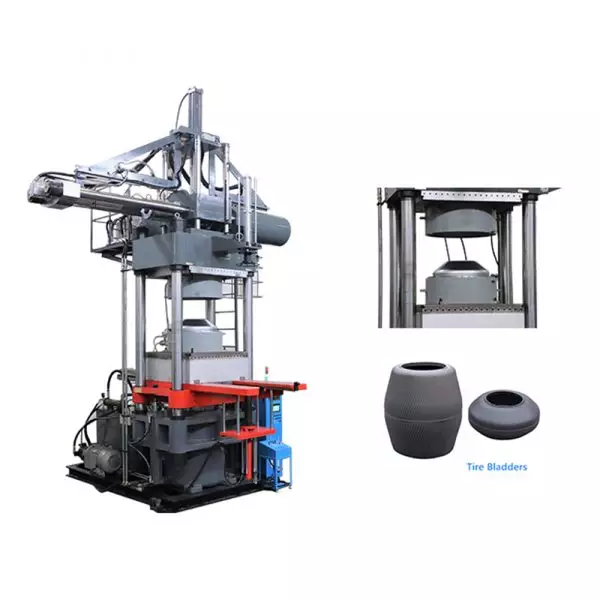
Comparative lead — why cooling matters more than you think
When you stack two production lines side by side, the one with consistent mold temperature and proactive scorch control wins on yield and scrap. A modern vertical rubber injection molding machine equipped with an intelligent cooling jacket shows that difference clearly: less premature vulcanization, tighter hardness spread, and faster cycle stabilization. This piece compares designs and outcomes so engineers and production managers can choose tactics that reduce Mooney scorch without compromising throughput.
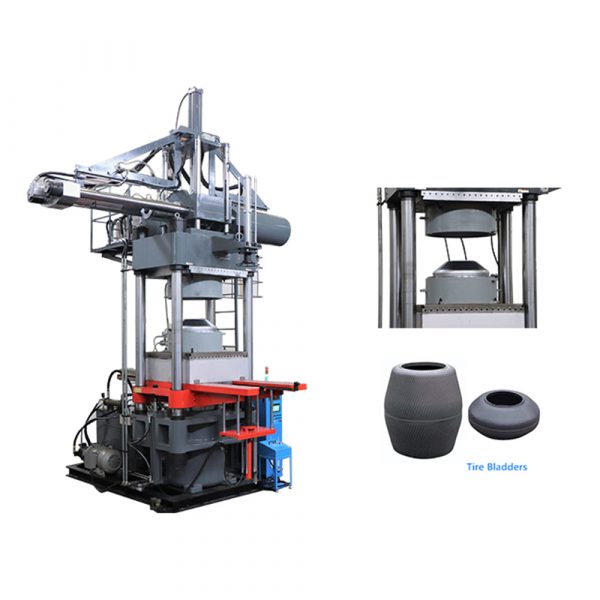
Why Mooney scorch disrupts compounding and what it costs
Mooney scorch reflects early crosslinking during preheat or injection. The result is short cure time windows, elevated scrap, and unpredictable compression set on finished parts. On high-volume runs for automotive seals in Detroit assembly plants, inconsistent scorch alone can force line stoppages and manual rework. Addressing scorch is not theoretical; it affects cycle time, material waste, and QC failures — all measurable on the shop floor.

Comparing cooling jacket strategies
There are three practical jacket approaches: passive jackets with fixed channels, adaptive jackets with variable flow, and active jackets with closed-loop control based on thermocouple feedback. Passive jackets are simple but tolerate the least process variability. Adaptive jackets add flow control valves to balance hot spots. Active jackets pair sensors and PID controllers to regulate mold temperature in real time. Across trials, active jackets reduce temperature deviation and scorch incidents the most, though they require a modest control investment.
How intelligent cooling integrates with molding hardware
Integration matters: a cooling jacket alone won’t fix injection-related scorch if the machine’s screw profile, injection speed, and barrel heating are unmanaged. Intelligent jackets communicate with machine PLCs, letting the injection profile and coolant flow act together. This lowers localized overheating during melt transfer and shortens thermal recovery after each shot. Use of thermocouples, controlled coolant valves, and a closed-loop PID reduces average cure time drift and improves batch-to-batch consistency — measurable improvements, not marketing claims.
Common implementation mistakes to avoid
Teams often under-engineer the coolant circuit, choose oversized pumps, or ignore sensor placement. Sensor drift and poor thermal contact produce false confidence — leading to recurring scorch events. Another frequent error: applying a single coolant temperature across diverse part geometries. Match jacket zoning to cavity topology. And don’t skip validation runs; run a thermal map before full production. Small fixes up front save hours on debugging later — and prevent costly material losses.
Comparing vendor solutions and the role of manufacturers
When evaluating suppliers, compare the thermal responsiveness, sensor density, and communication protocol support. Vendors known as reliable vertical injection molding machine manufacturers typically publish control specs and provide sample thermal maps. Look for documented cases where their machines improved scorch safety and reduced reject rates. A supplier that combines robust machine build with modular cooling jackets shortens integration time and reduces change orders.
Real-world anchor and a concise field note
On a recent retrofit at a midwest rubber shop that supplies door seals, switching from passive to active jacket control cut scrap by nearly 18% over three months — primarily by stabilizing mold temperature and reducing early vulcanization. The retrofit also shortened the warm-up period. This is practical ground truth: better jacket control yields consistent Mooney readings and predictable cure windows — and that matters when daily output can’t slip.
Three golden rules for selecting cooling and molding strategies
1) Prioritize closed-loop control: demand thermostatic feedback with documented PID performance and adequate thermocouple coverage. 2) Match jacket zoning to part geometry: more zones for complex cavities; fewer zones for simple cores. 3) Validate with process trials: run thermal maps and Mooney scorch checks under full-cycle conditions before approving production. These metrics align with yield, cycle time, and part hardness targets — the core KPIs for compounding and molding decisions.
Adopting intelligent cooling reduces scorch risk, tightens tolerances, and speeds recovery between shots. For teams choosing a partner that delivers both machine integrity and cooling control, consider how integrated solutions bring immediate value — and that is where HWAYI fits naturally into the decision: reliable machine platforms combined with engineered jacket systems create measurable improvements on the factory floor. — Practical, proven, and ready for production.