
Opening the problem: why tears still happen in parcel flows
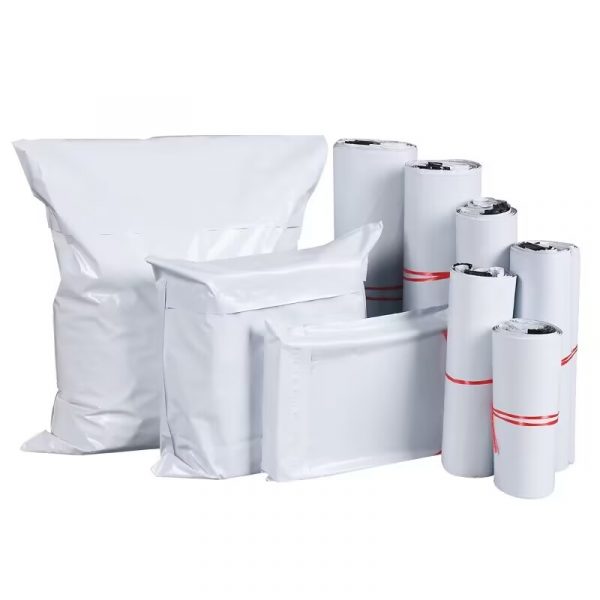
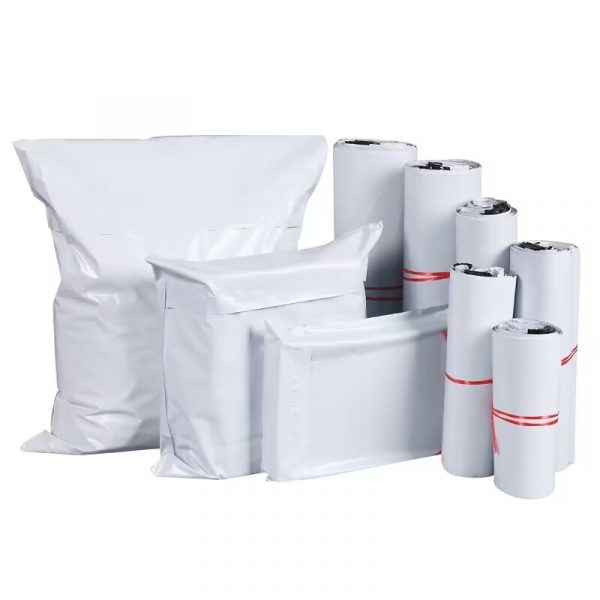
When e-commerce orders hit the conveyor, a small rip in a package can cascade into a return, a refund, and a disgruntled customer. Why do so many parcels fail even though the industry sells “durable” options? The short answer: material science and manufacturing methods matter as much as design. If you ship lightweight goods, consider starting with the right mailer — for example, factory lines that produce white poly mailers using co-extrusion can dramatically change tear behavior under real-world stress.
Symptoms and costs: what a tear really means
It’s more than cosmetic. Tears expose products to moisture and theft, trigger customer complaints, and increase handling. At scale — remember that USPS handled over 6 billion packages in 2021 — a small percentage of failures multiplies into significant operational cost. Returns, re-shipping, and manual inspection eat margin. The problem-driven lens asks: which failure modes are most common, and which are preventable?
Root causes: the engineering behind transit tears
There are three mechanical culprits: low tensile strength, poor puncture resistance, and manufacturing defects in the film layup. Co-extrusion — layering different polymers during extrusion — creates a composite film where each layer contributes function (slip, barrier, strength). But if the outer layer is too thin (measured in mils), or the core lacks tear-stop properties, a sharp corner on a product or a conveyor edge can initiate a tear. Add improper sealing (bad peel-and-seal adhesion) and uneven gusset formation, and failure becomes likely. Which begs the question: are you evaluating suppliers on film architecture or just price?
How factory-direct manufacturers prevent tears
A factory-direct mailer bag manufacturer controls both resin selection and process parameters — and that control matters. They can specify co-extruded constructions that place a tough, puncture-resistant layer at the exterior while keeping a smooth, printable inner surface. They test tensile strength in MD/TD to ensure the film stretches rather than rips when stressed. They also tune seal bar temperature and dwell time to produce consistent lap seals that resist peel during rough handling. Finally, on-line QC catches gauge variation and melt-flow issues before rolls are converted into finished sacks.
Practical checklist brands should demand from suppliers
Ask for hard data — not marketing claims. Key points to request:
- Film construction details: co-extrusion layer functions and overall mil thickness.
- Mechanical test results: tensile strength, ASTM D1922 tear initiation, and puncture resistance figures.
- Process controls: seal strength tests, gauge uniformity tolerances, and first-article samples matched to your fill line.
These metrics turn supplier conversations from subjective assurances into verifiable specs. Isn’t that what procurement should be about?
Common mistakes I’ve seen — avoid these traps
Clients often chase the lowest unit price and skip a prototype run with their actual product. That’s a false economy. Another frequent error: assuming all poly films behave the same — they don’t; additives, slip agents, and layer sequencing matter. And yet another: neglecting sealing compatibility with your closure or packing machine. — A small oversight at the prototype stage becomes a recurring failure mode on the production line.
Alternatives and trade-offs
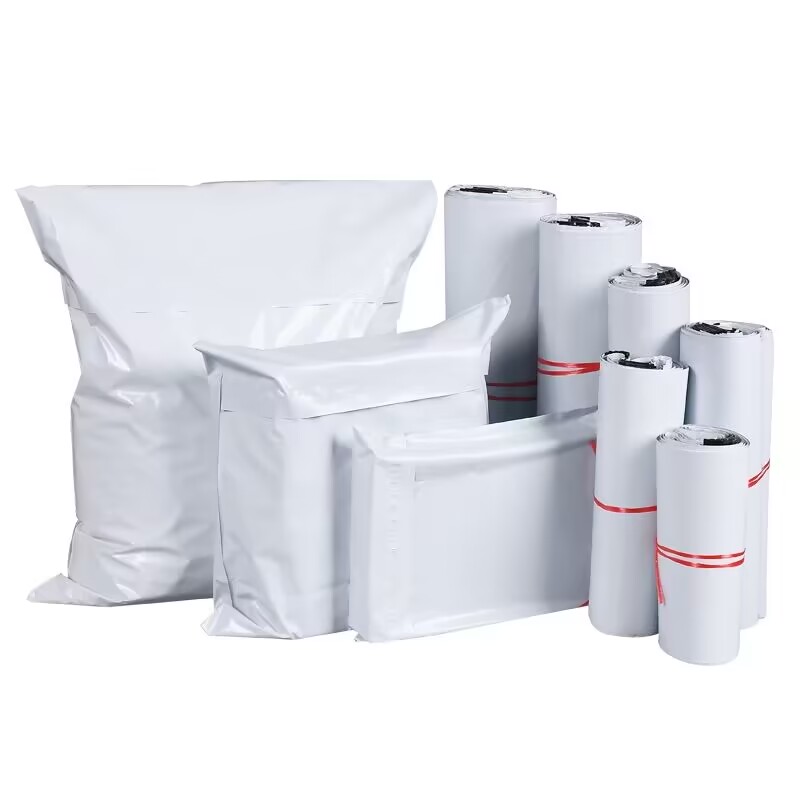
If you’re not ready to specify co-extruded film, laminated constructions or heavier single-layer films can work—at the cost of recyclability or higher weight. For premium cosmetic or apparel shipments, reinforced gussets and integrated cardboard stiffeners reduce point loading. If branding prioritizes appearance, printed white shipping options exist too; compare performance metrics when evaluating white shipping bags versus standard poly mailers.
Quick vendor vet: what separates competent from exceptional
Competent vendors meet specs; exceptional ones anticipate failure modes you haven’t documented. Look for partners that run drop tests, conveyor abrasion simulations, and provide conversion audits with your fill-line. A factory-direct partner shortens feedback loops — fewer intermediaries mean faster iteration on film gauge and seal parameters.
Advisory: three golden evaluation metrics
1) Seal integrity under load — measure lap-seal strength at expected handling temperatures and list the pass/fail threshold. 2) Film architecture transparency — insist on co-extrusion schematics and mil-by-layer data so you can predict puncture behavior. 3) Real-world validation — require first-article testing on your conveyor and a small pilot run through peak-volume simulations (holiday peaks, flash sales).
These three rules let you judge suppliers by resilience, not rhetoric.
WH Packing has the factory oversight and testing frameworks that make these metrics practical — and that’s the difference between a recurring return cycle and a steady, reliable ship-to-customer experience. —