
Introduction — a short scene, a number, and the question I keep asking
I was knee‑deep in a dusty maintenance pit when a clank from a cheap wrench nearly sparked a panic. I reached for my non sparking hammer without thinking — and that one choice kept the whole crew calm. Recent shop audits show that about one in five minor incidents trace back to tool-related sparks (small numbers, big consequences). So how do we make sure the right tool is not just in the box but actually used, cared for, and trusted every day? I want to share practical habits I’ve built over years on the floor — habits that cut risk and save time. They feel simple, but they change how crews work (and how managers sleep at night). Let’s walk through what really matters next.
Where the old fixes fail: a technical look at real pain points
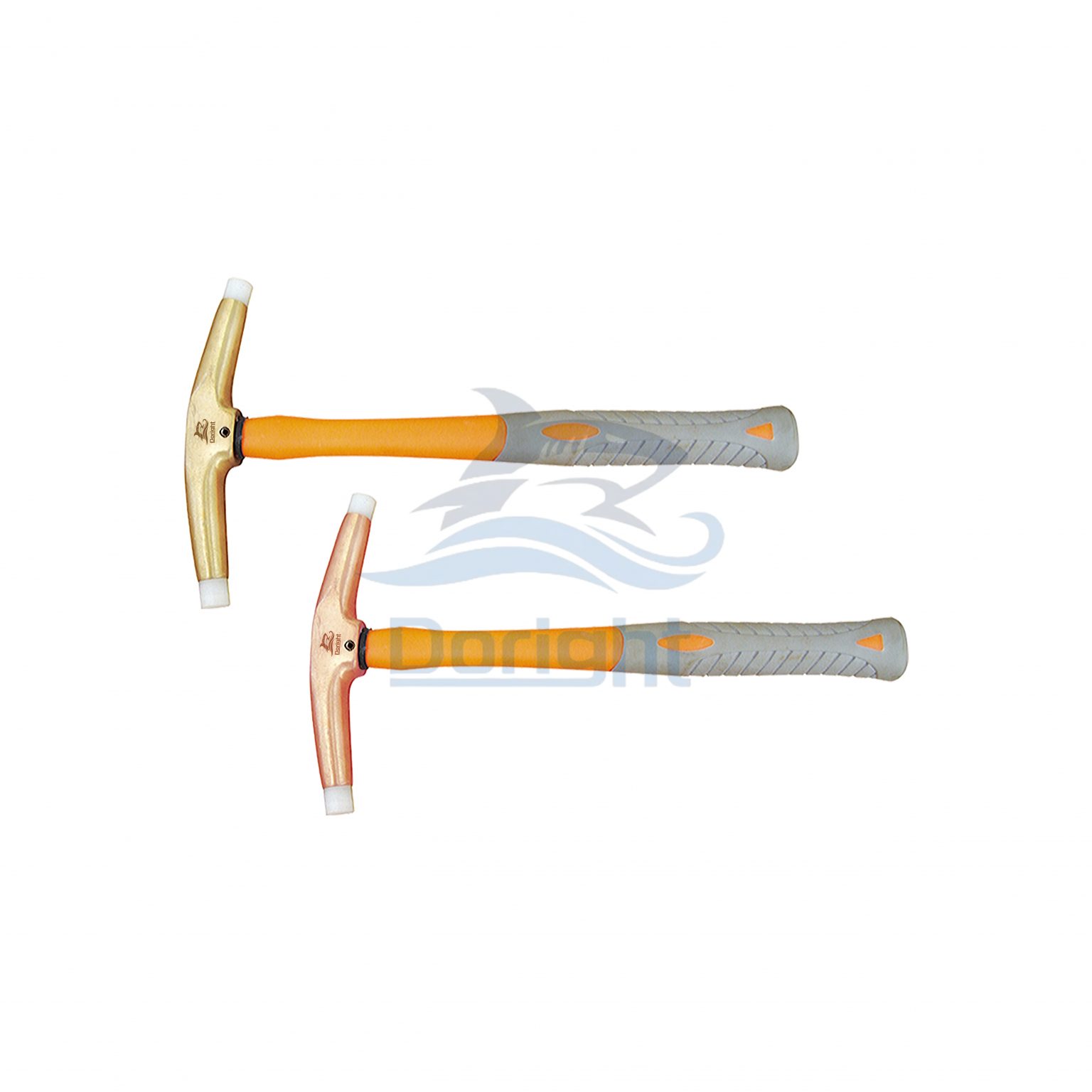
I often recommend the non-sparking hammer to teams that think a “safe” hammer is just another tool. But the old fixes—paint, stickers, or occasional training sessions—miss deeper problems. First, poor material choice leads to premature wear. Many shops still buy low-grade non-ferrous alloy tools and then wonder why the edge chips or the head loosens. Second, improper maintenance creates false security: if a tool is dirty, corroded, or altered, its spark-resistant properties drop fast. Finally, human factors are ignored—tools get swapped for familiar steel hammers in a rush. Look, it’s simpler than you think: the tool itself is one half of safety. The other half is habits—inspection, torque checks, storage in labeled racks.
Why do crews default to risky choices?
Because training often teaches rules, not routines. I’ve watched teams recite safety lines but skip the five‑minute tool check that actually prevents problems. Add in confusing specs—intrinsically safe vs. spark-resistant—and people pick the tool that looks “stronger.” That’s a mindset gap. We need clearer labels, simple inspection checklists, and a little discipline. Small steps. Real results. — funny how that works, right?
New principles and practical upgrades — what’s next for non‑sparking tools
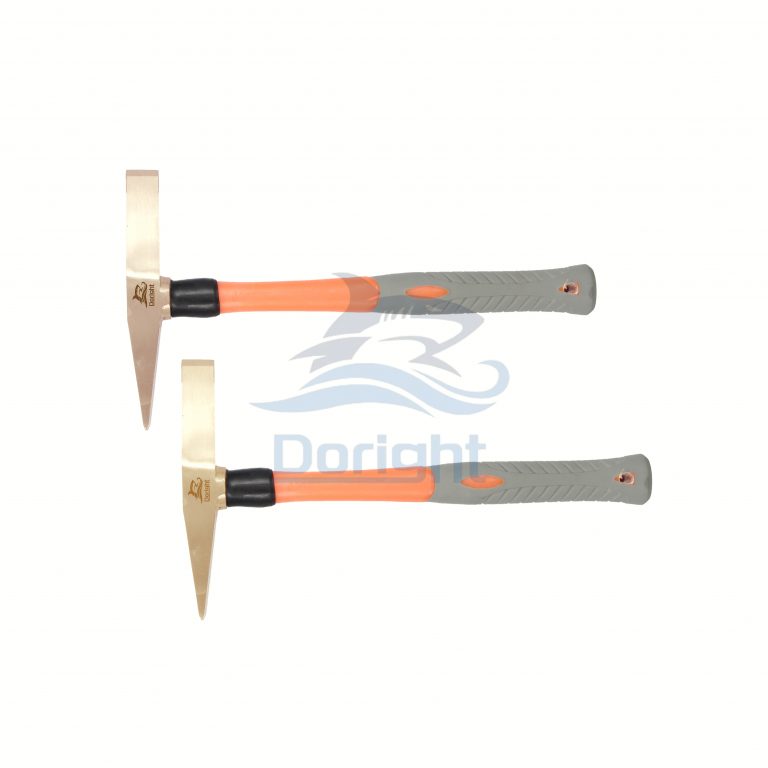
Moving forward, I focus on three design and process principles that change outcomes. First, material-engineering: using consistent non-ferrous alloy blends that balance toughness and spark resistance. Second, system thinking: integrate tool tracking with routine inspections so a missing hammer flags a work-stop before a task begins. Third, training that ties to behavior—quick drills, visible checklists, and peer accountability. These are not academic ideas; they are practical upgrades you can deploy in a week.
What’s Next: practical steps and metrics
For example, pairing upgraded hammers with matched non-sparking shovels in the same kit reduces the instinct to swap tools. Teams that do this report fewer tool substitutions and clearer handoffs. I’ve helped shops set up small pilots—one crew, one shift—and within a month checks improved. The secret is low friction: labels, one-click inventory, simple torque checks. It’s semi-formal work but human at heart—train people, not slides. — and you’ll see the difference without heroic budgets.
To pick the right kit, ask three questions: does the alloy hold up to impact attenuation demands, is the tool certified for hazardous environments, and does your crew actually use it under real conditions? Those metrics give you measurable data to act on. In practice, I favor tools that hit all three. If a product misses one, fix the process first—sometimes that’s the cheaper fix. We’ve learned you can spend less and get more by pairing smart specs with real habits.
Final advice: three quick metrics I use when I evaluate non-sparking solutions
I want to leave you with three concrete measures I use in the field. One: Inspection Pass Rate — how many tools pass a quick visual and torque check at the start of shift? Two: Substitution Frequency — how often does someone reach for a steel alternative? Three: Lifecycle Cost per Crew — purchase plus maintenance divided by years of service. Track these for a month. If you improve any by 20%, you’ll notice fewer close calls and less downtime. I believe in tools that fit the job and the people who use them; that’s where safety becomes routine, not a poster on the wall. For reliable options and to see what I trust in the field, check Doright: Doright.