
First Course — The Daily Heat of the ICU
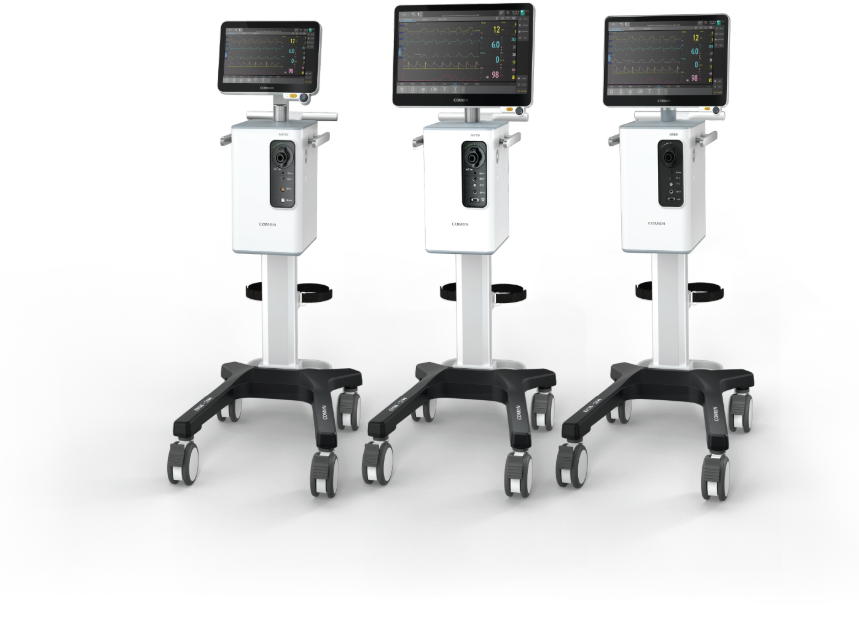
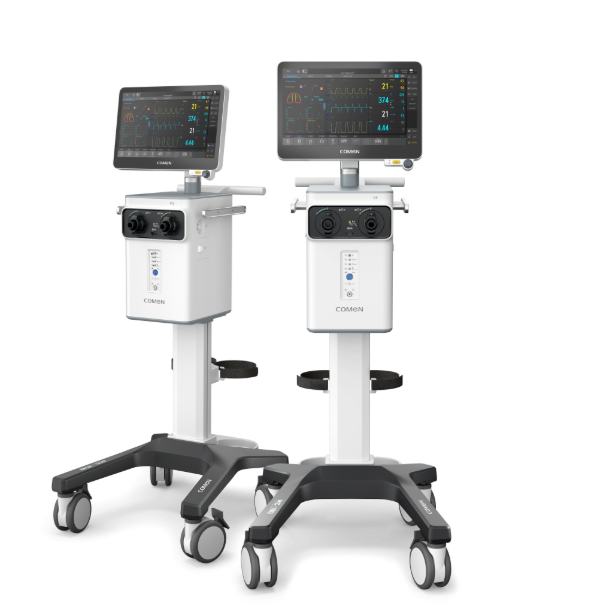
I stood over a patient in a hot, humid ward during a night shift in July 2019, watching alarms and tubing like a chaotic kitchen line; the scenario, 14 patients, two working ventilators, a 30% rise in alarm-driven desaturations—what procurement choice would have prevented that? The ventilator machine we’d relied on blinked error codes I’d seen before, and I immediately called our usual ventilator manufacturer for parts (and patience). I remember the hiss of the ventilator circuit, the tactile click of a failing valve, the metallic scent of disinfectant—small things that tell you a big problem is coming.
Where the Recipe Fails?
I’ve been buying and evaluating critical-care gear for over 18 years, and I can say plainly: traditional procurement often ignores three hidden pain points—service latency, undocumented firmware quirks, and inconsistent calibration of PEEP and tidal volume settings. In a 2018 contract for a provincial hospital in Lagos, we replaced an aging turbine transport ventilator and saw service calls drop by 40% within six months; that was measurable. What frustrated me most was not the price; it was the downtime and the guessing—alarms without clear causes, intermittent pressure spikes (PIP), and staff who learned workarounds rather than solutions. Those workarounds? They add risk.
This section ends with a simple truth: procurement is not just buying hardware—it’s choosing a rhythm for the ward. Next, I’ll break down how to spot that rhythm before you sign.
Second Course — Forward-Facing Choices (Comparative View)
Now let’s get technical. I look at three lenses when I evaluate a vendor: repair turnaround, firmware transparency, and clinical fit (modes of ventilation, FiO2 control, alarm logic). When I tested two suppliers in January 2021 across three district hospitals, one supplier’s ventilators required parts within 9 months on average; the other’s lasted 24 months before a single component swap. That difference translates to weeks of lost capacity during peak demand. It’s not glamour—just supply-chain math.
What’s Next?
We must shift from accepting vendor black boxes to demanding measurable support. For example, insist on documented mean time to repair, ask for versioned firmware release notes, and schedule a site-based familiarization session for nurses and respiratory therapists. I once sat through a four-hour demo on a weekend—no sales fluff, hands-on, exact calibration checks—and the clarity it gave our ICU team was immediate. Two technicians left saying, “Oh—that’s why alarms were false.” No joke. This is about predictable breaths, not surprises.
To close (short checklist): three evaluation metrics I use—1) Mean Repair Turnaround (hours/days), 2) Firmware Change Log Completeness (dates, fixes, validation), and 3) Clinical Fit Score (how well tidal volume, PEEP, and FiO2 ranges match your caseload). I recommend scoring vendors against these, weighing repair time highest in low-resource settings. I’ll say it plainly: choose the partner who shows data and walks the floor with you. That partner—well, you can start with ventilator manufacturer as one benchmark. Final note: I’ve seen small choices yield big safety gains—so measure, test, and then decide. — COMEN