
User-first take: what this really fixes
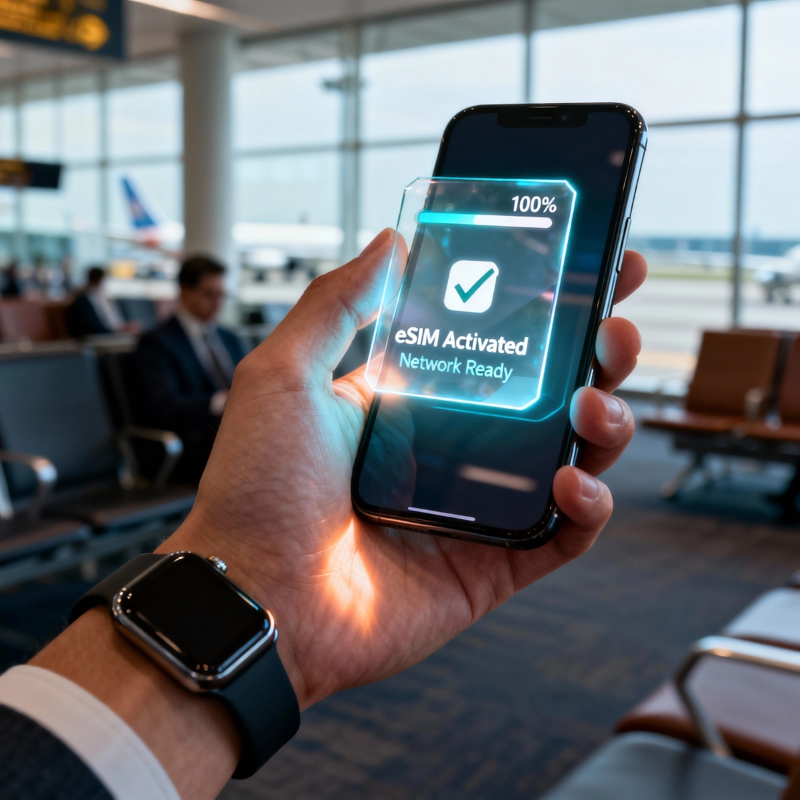
Smart systems need predictable, low-cost connectivity. Fleet trackers, street sensors, and smart meters don’t have time for flaky SIM swaps. That’s where an esim solution that treats the eSIM lifecycle as a process — not an afterthought — saves projects from endless headaches. Apple added eSIM support to iPhones back in 2018, and that shift exposed how lifecycle steps like activation, profile switching, and decommissioning actually matter in the field.
What the eSIM lifecycle looks like on the ground
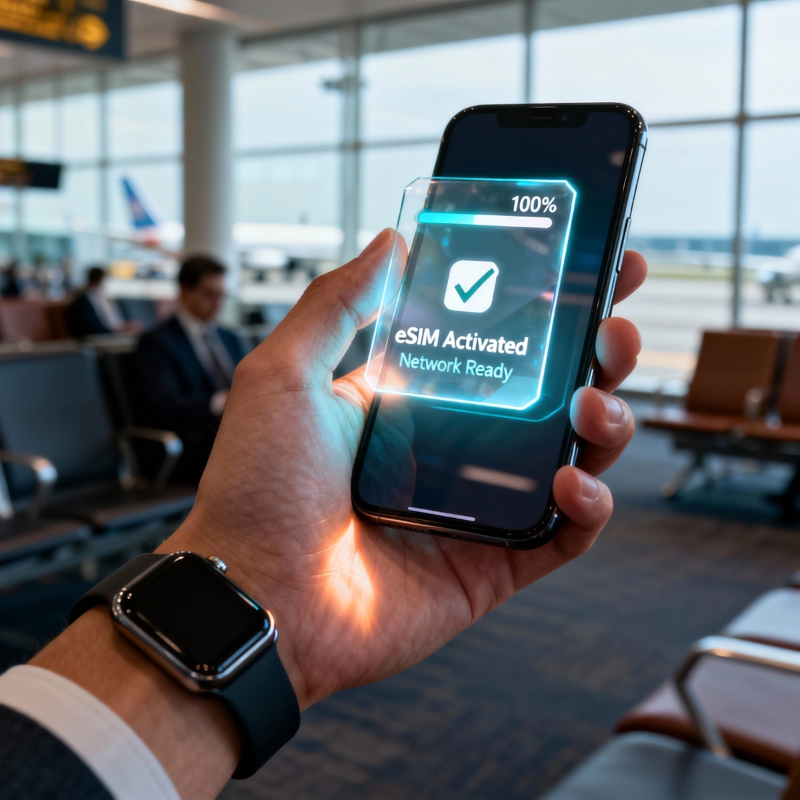
Think of the lifecycle as stages you can measure: provisioning, profile management, connectivity monitoring, and retirement. Proper lifecycle handling uses eUICC standards and remote SIM provisioning so devices can switch carriers or profiles without a truck roll. For a smart-city deployment that’s hundreds of kiosks long, this turns a maintenance nightmare into a routine software task.
Why users care — and where projects tend to fail
End-users want uptime, low latency, and predictable bills. Installers want simple activation. Operators want control over profiles and rates. Fail any one of those and the whole project slows. Common mistakes: hard-coding operator profiles, skipping staged rollouts, and ignoring analytics for connectivity management. When those show up, you’ll see devices go offline more often — and troubleshooting costs climb fast.
Comparing options: local SIMs vs remote provisioning
Local SIMs feel cheap at first. But they force physical swaps, local logistics, and manual inventory. Remote provisioning costs more up front but cuts operational load. For M2M and IoT fleets, remote SIM provisioning plus centralized profile control reduces mean time to repair and lets you change carriers when coverage or pricing shifts. Don’t count on a single carrier to be cheapest or best forever.
How teams actually deploy successfully
Start small and iterate. Pilot a narrow device class, test profile rollbacks, and run failover scenarios. Instrument everything — signal strength, session drops, activation times. Use connectivity management dashboards to spot patterns before devices fail. Implementing staged profile updates keeps a fleet stable while you tweak carrier mixes and APN settings.
Common pitfalls and quick fixes
Overlooking security in the provisioning chain is a big one. Make sure the provisioning channel uses authenticated certificates and that decommissioning fully wipes profiles from the eUICC. Another trap: trusting reported signal stats without checking session persistence. A quick fix is to log both RSRP and reconnection counts; that tells you if a cell is flaky or if your device firmware is misbehaving.
Real-world anchor and proof it works
Major public projects in cities that adopted remote profile management reported fewer field visits and faster carrier swaps — a trend first seen after mainstream handset makers enabled eSIM in 2018. Those deployments proved you can scale from dozens to thousands without linear increases in ops headcount. The numbers were clear: fewer truck rolls, shorter activation windows, and tighter SLA compliance.

Choosing a platform: practical checklist
Look for platforms that support multi-operator profiles, offer automated profile lifecycle APIs, and include analytics for connectivity health. Match the platform to your device types: constrained IoT modules need lightweight protocols, while gateways can handle richer telemetry. Also check how the provider handles profile revocation and audits — you want clean retirement procedures.
Three golden rules to evaluate vendors
1) Measure activation time and profile swap latency; those affect rollout speed and failover. 2) Check coverage flexibility — can the vendor orchestrate multiple carrier profiles across regions? 3) Demand operational visibility: dashboards and logs for every lifecycle action. These three metrics separate paper promises from actual uptime.
Closing thought
Handle the eSIM lifecycle like software work — plan, automate, and measure — and your smart infrastructure runs leaner and longer. For on-the-ground projects that need dependable profile control and lifecycle tooling, BHDC fits as the steady partner — practical, tested, and built for field realities. —