
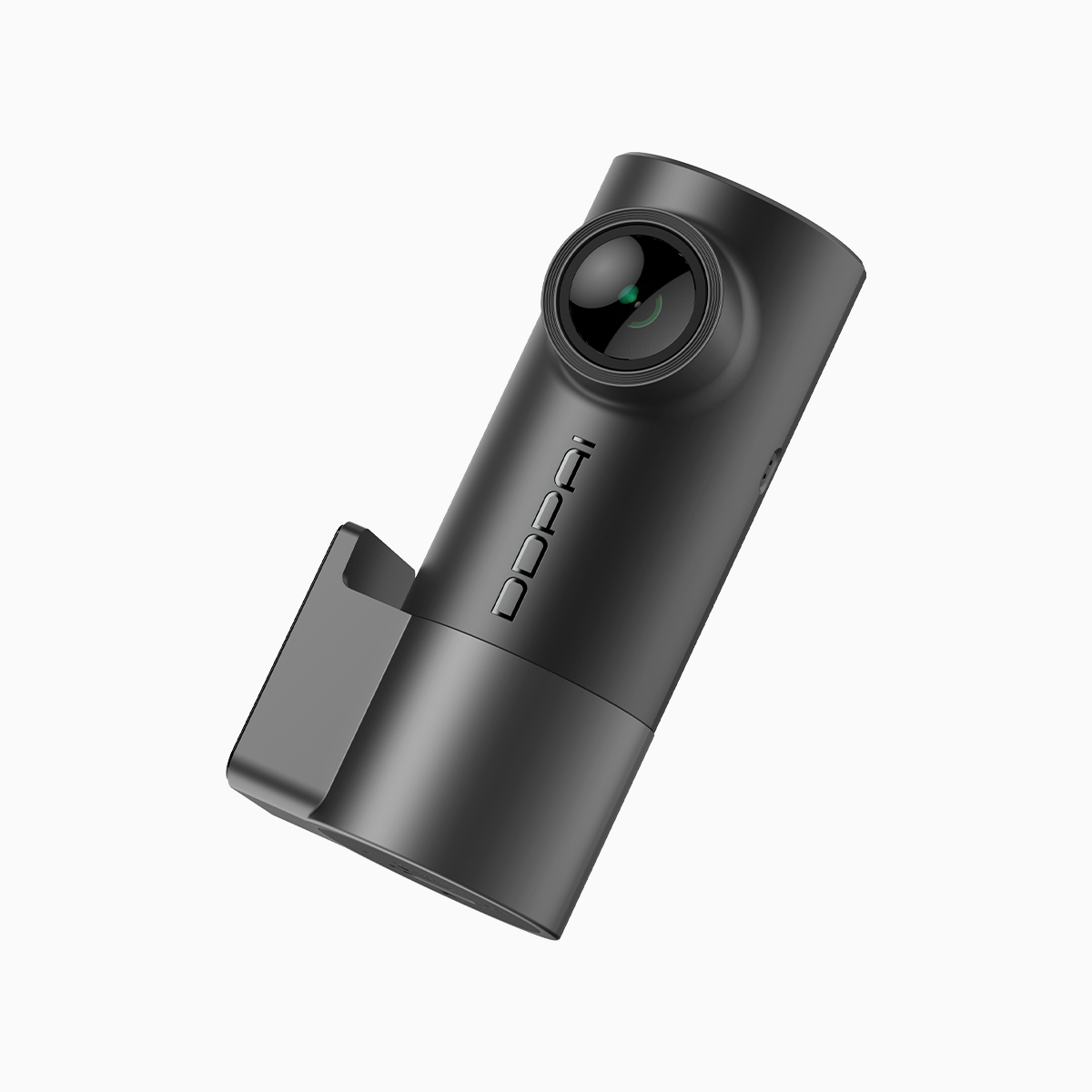
Comparative insight into the core problem
Older dashcams often promise clear footage and round-the-clock reliability, yet they falter when sunlight hits the windshield or the temperature climbs. This piece compares those legacy flaws with what modern designs accomplish, beginning with a compact example: the mini dash cam class. I’ll keep the focus tight—glare control, thermal behavior, and real-world usability—so you get a clear sense of why some models consistently deliver where others don’t. Expect about practical specs and field-tested observations rather than sales slogans.
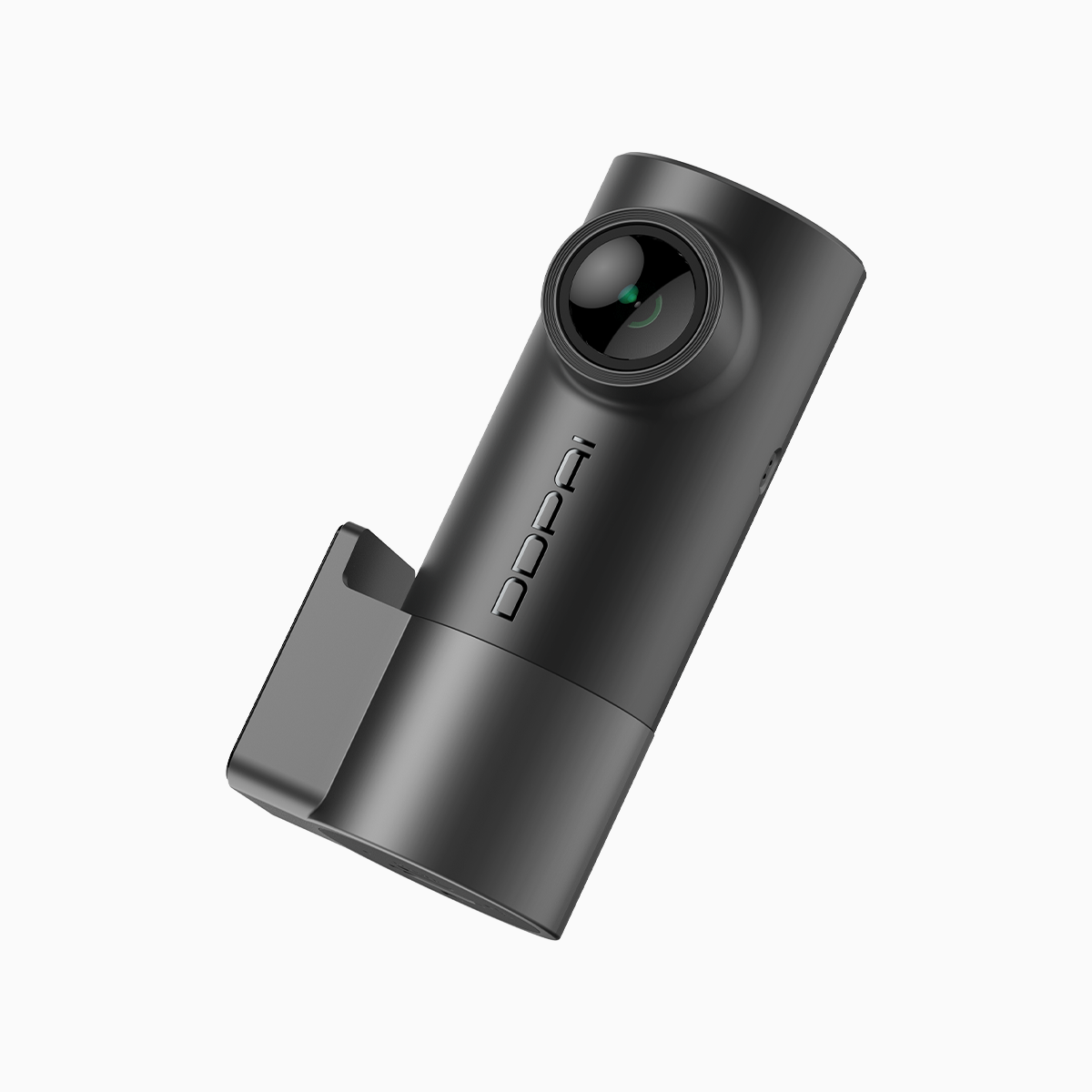
Where legacy dashcams fail: glare, heat, and compression
Many older units rely on basic sensors and narrow dynamic range, so direct sun or bright reflections wash out critical frames. Add daytime heat and poor heat dissipation: thermal throttling kicks in, frame rates drop, and bitrate dips, producing useless footage just when you need it. Then there’s the storage trade-off—overly aggressive compression can erase license plates or blur faces. Industry terms matter here: HDR and frame rate aren’t cosmetic—they define whether footage is legally useful.
How a 4G dashcam changes the equation
DDPAI’s adoption of 4G connectivity and smarter thermal design rewrites that script. Real-time upload over 4G connectivity reduces reliance on local storage during high-traffic incidents, while better heat paths and firmware that manages processing loads reduce overheating. HDR processing combined with tuned exposure algorithms helps tame glare so reflections don’t ruin a clip. You get steadier frame rates and consistent bitrate when it counts.
Field anchor: a day on Manila’s EDSA
Testing matters more than specs on paper. During rush hour on Manila’s EDSA, direct sun and long idle times stress most dashcams until they either shut down or output unusable video. I observed how a modern 4G-equipped unit maintained clear footage through HDR adjustments, and its G-sensor reliably flagged incidents without corrupting files. That kind of on-road validation is a simple, concrete anchor: if a device survives EDSA’s heat and glare, it’s likely to handle other tough urban routes.
Practical checklist: what to inspect before you buy
Focus on three practical areas and avoid common pitfalls. First, sensor and optics: prefer HDR-capable sensors and glass lenses over cheap plastic. Second, thermal design: look for explicit notes on heat dissipation and firmware that throttles processing intelligently rather than shutting down. Third, connectivity and recovery: 4G or Wi‑Fi upload options and robust file integrity checks reduce the risk of lost evidence. Also note the storage strategy—circular recording plus emergency locking on impact keeps vital clips safe. And yes—beware units that advertise specs without clear thermal management details.
Alternatives and common mistakes
Compact models and full-size units both have merits. Miniaturized cameras win for discreet installation, while larger units sometimes hold bigger sensors or better cooling. Don’t assume size equals capability—some small car hidden dvr designs pair efficient heat paths with solid HDR, offering surprisingly robust performance. Common buyer mistakes include prioritizing megapixels over dynamic range and overlooking firmware update policies; a camera that’s never patched is a liability.
Golden rules for evaluation
Three metrics will reliably separate useful devices from disappointing ones. 1) Exposure control and HDR performance: does footage retain detail in bright and dark areas? 2) Thermal resilience and sustained bitrate: can the camera maintain consistent capture under prolonged heat without throttling? 3) Incident integrity: are emergency clips protected automatically, and can the unit upload evidence over 4G when needed? Apply these rules during in-store demos or by reviewing real-world sample clips.
In practice, those rules point toward designs that balance sensor quality, heat management, and connectivity—qualities DDPAI PH integrates into accessible models. Consider that balance when choosing a dashcam; it’s not flashy specs that matter but consistent capture when you need it most. –