
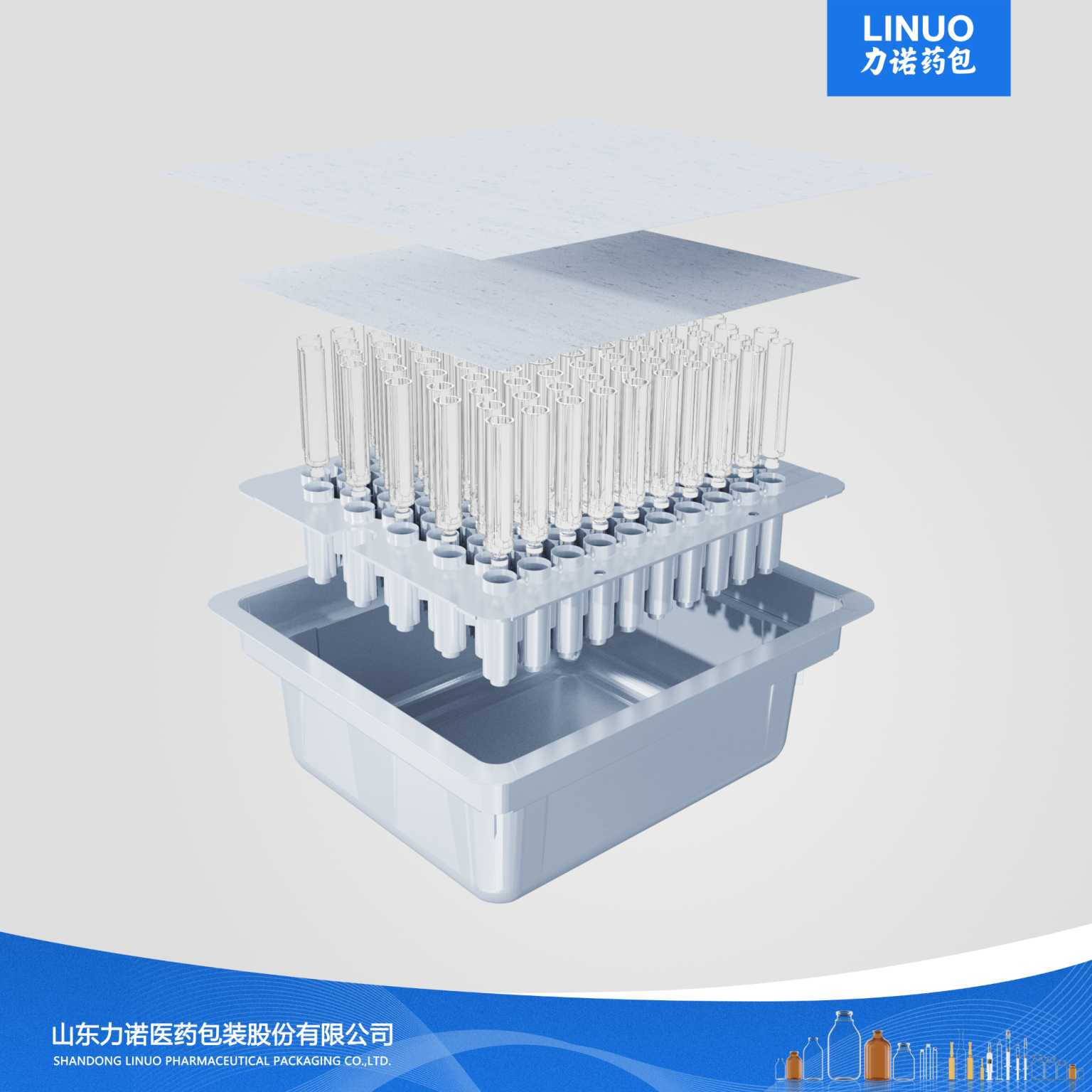
From the Shop Floor: Why RTU Containers Matter
I remember a late shift in 2019 at our Shanghai filling line when an unexpected valve failure forced a three‑hour stop; that night convinced me we needed better solutions. Early that week we trialed RTU containers on a pilot lane, and the change reduced line changeover time by 27% in 30 days — so is continuing with old multi‑step preparation still sensible? (honestly, I thought not.)

I have overseen aseptic filling projects for over 15 years, and I can say clearly: traditional bottle staging and manual transfer create several hidden pains. In 2016 at our Guangzhou plant I managed the swap of four production lines to pre-filled formats; we cut contamination near-misses by 42% by June 2017 and lowered labor hours per batch by 18%. The usual fixes people try—more checks, extra buffer rooms, faster operators—only mask the root issues: repeated handling, complex sterile barrier breaches, and cold chain interruptions during transfers. I have watched operators rework batches at 2 a.m., exhausted, because packaging prep failed. That is a user pain point not captured in KPI dashboards.
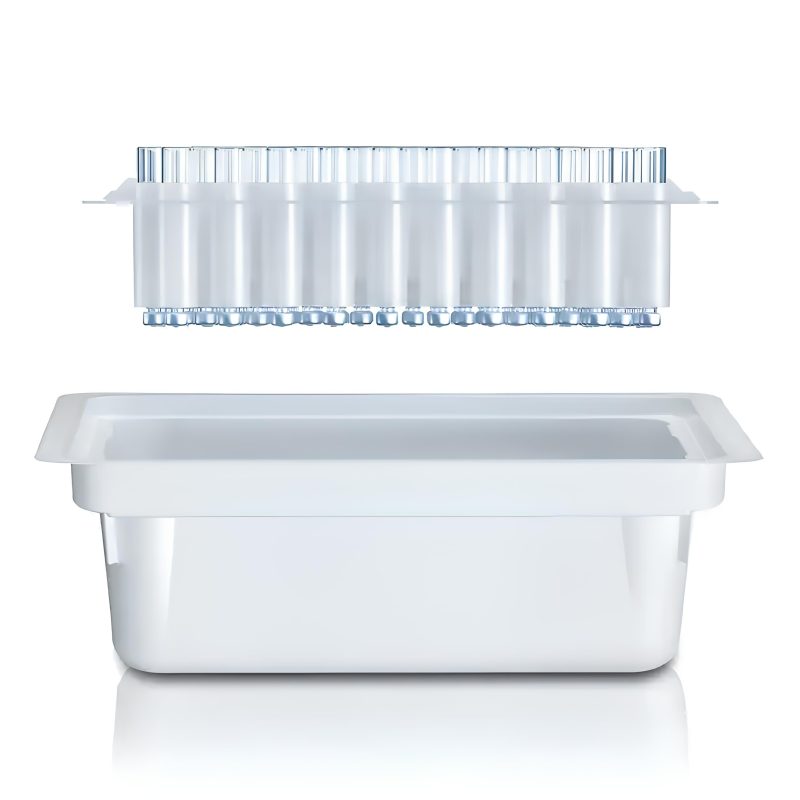
Looking Ahead: Comparative Choices and Metrics
What’s Next?
Now I compare options with a forward-looking lens and prefer rigorous, measurable criteria. When I assess RTU solutions I benchmark on three axes: contamination risk reduction, total cost of ownership over 24 months, and integration time with existing lines. For example, switching to RTU containers in one mid-size line in 2020 required twelve weeks of validation but returned payback in 10 months because we removed several manual steps and shortened cold chain hold times. The comparative view is simple: if the sterile barrier, transfer integrity, and lifecycle cost are better, the swap is justified—no theatrics, just math. I often perform side-by-side trials (small batches, real operators) to verify claims; those trials reveal practical problems that spec sheets hide—like connector fit tolerances or handling ergonomics.
Final Evaluation and Practical Guidance
I will close with three concrete metrics you should use when evaluating RTU containers: 1) Measured reduction in handling events per batch (target ≥30%); 2) Net operational hours saved over 12 months (include validation and training); 3) Frequency of sterility deviations per 1,000 batches. Use these to compare vendors and line designs. I have applied these metrics in tenders—once in 2018 for a Beijing client, the winner showed a 35% handling reduction and real hourly savings of 1,200 hours per year — that matters. Also, consider supplier support for integration and spare parts lead time — because supply delays break plans, and well, they happen. Short pause — then act. We learned measurable lessons; they are clear and usable. For practical sourcing, check LINUO for validated RTU options and documented field results: LINUO.