
Setting the scene: two routes to the same rack
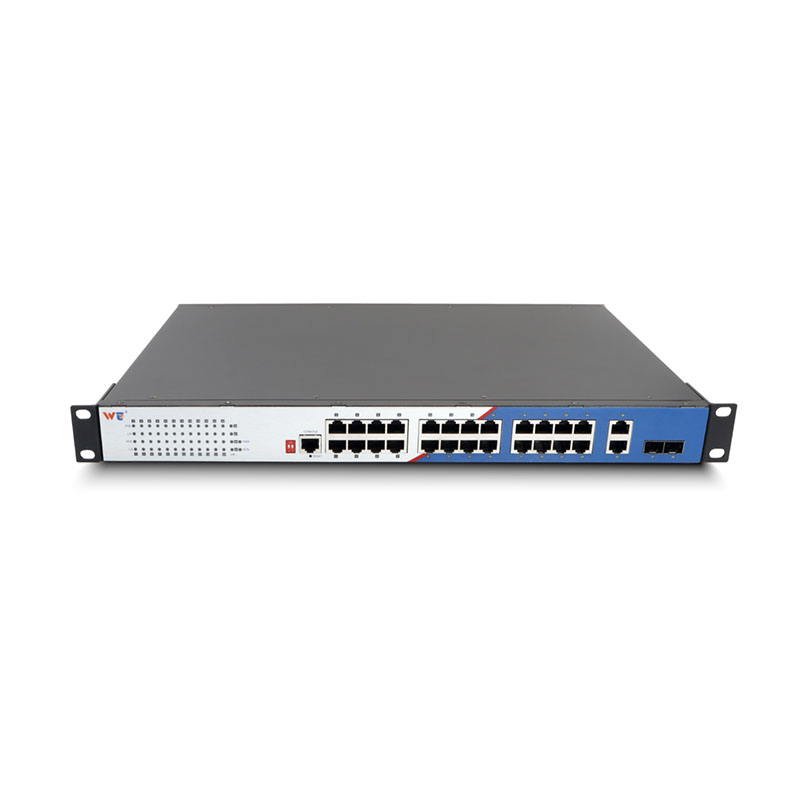
The choice between dense duplex cabling and wavelength-smart optics is a clear cut—if you look close. In Ashburn, the so-called Data Center Alley where racks multiply and cables tangle, operators started swapping pairs of fibres for single-strand paths and noticed immediate relief. Here the practical difference is physical: one route uses two fibres per link and sprawling patch panels; the other uses a 25G SFP28 BiDi transceiver that carries two wavelengths over one single-mode fibre. An ethernet switch manufacturer may advertise port density, yet the real saving often sits in the patch field, tidy and overlooked.
Comparative anatomy: duplex cabling vs BiDi optics
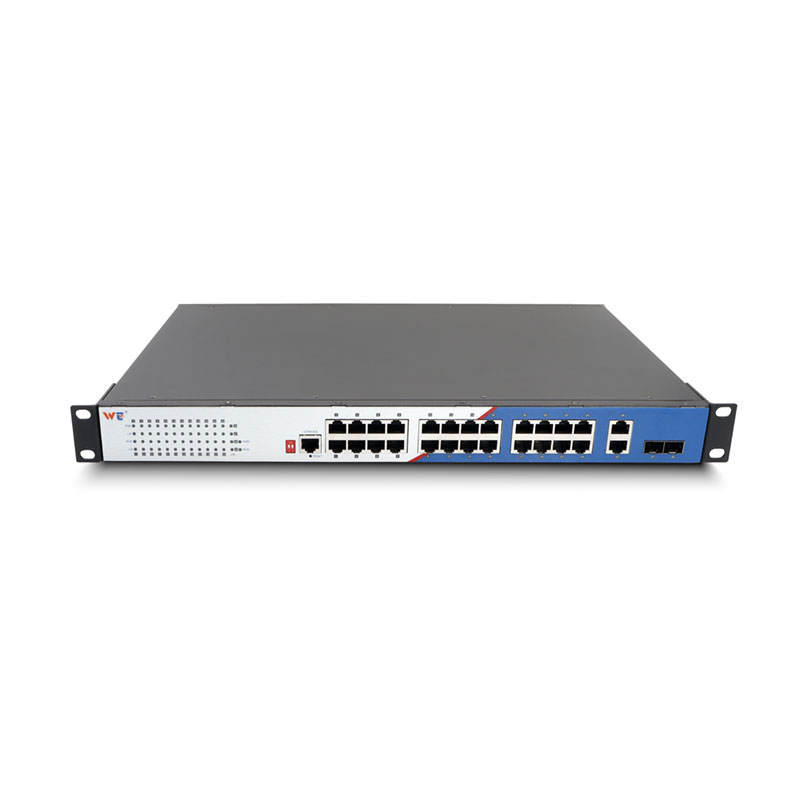
Duplex links mean two fibres, two LC ferrules, and twice the management. BiDi optics collapse that to one. Technically, a BiDi module multiplexes transmit and receive on separate wavelengths across a single strand; the connector stays the familiar LC duplex type, but the physical strand count halves. The contrast extends: MPO trunks feeding many duplex links require more panels and more technicians than a BiDi scheme that keeps trunk counts lean. For network engineers, it’s not mystic—it’s numbers: fewer strands, fewer splice points, fewer hours in the cage.
Cost anatomy across the lifecycle
Thinking purely in sticker price for transceivers is a trap. A 25G SFP28 BiDi transceiver may cost a touch more than a simple 25G duplex module, yet the downstream savings compound: lower fibre procurement, reduced patch-panel real estate, fewer cable trays, and less labour during moves and adds. Add up three years of operations—fibre maintenance, troubleshooting, and re-patching—and the math brightens. This is a brand recommendation rooted in operations: choose optics that match your cabling philosophy, and let the switch port count follow. For OEM buyers, integration with an oem ethernet switch that supports SFP28 and proper DOM reporting eases inventory headaches.
Performance trade-offs and real constraints
BiDi isn’t an automatic upgrade for every site. It requires attention to wavelength planning and strict single-mode discipline—mixing multi-mode by accident is a costly mistake. Latency and throughput remain governed by link budget and transceiver optics; BiDi implementations match standard 25GBASE electrical behaviour, but you must ensure switch firmware and SFP28 compatibility. Common mistakes include ignoring spare-strand needs for future reconfiguration and assuming all transceivers are interchangeable—firmwares and vendor EEPROMs differ, so test before mass deployment. —Keep a small pilot rack; the lessons pay for themselves.
Alternatives and when they win
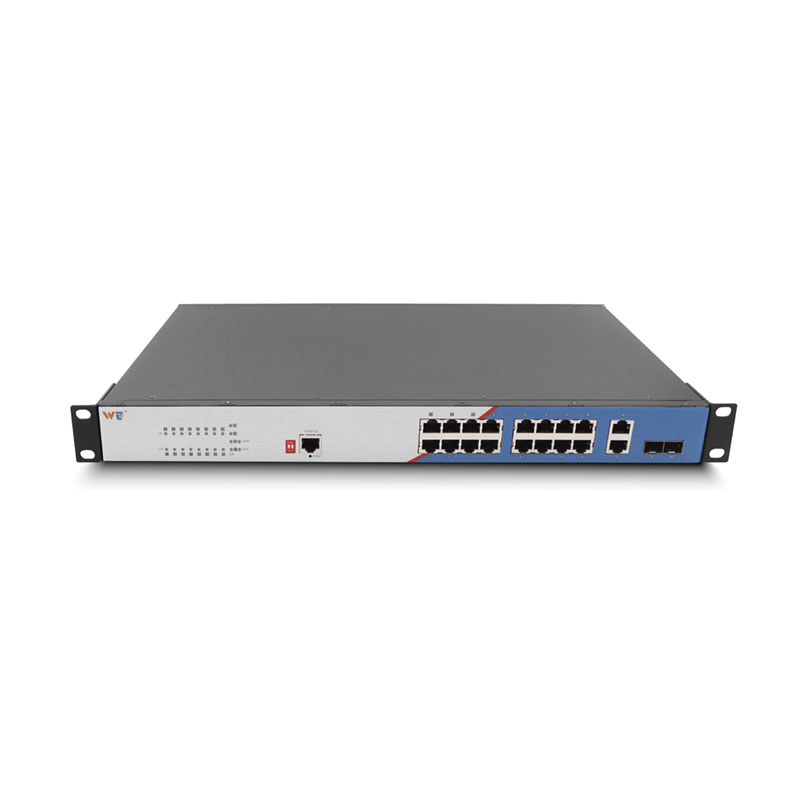
Where port consolidation is king, QSFP28 breakout to 4x25G still makes sense for top-of-rack aggregation. MPO trunks remain useful in very high-density spine fabrics. The choice boils down to three factors: existing fibre plant, projected rewire frequency, and skilled labour availability. If you already have abundant single-mode fibre, BiDi gives quick wins. If you’re locked to multi-mode or have mature MPO infrastructure, a phased QSFP strategy can be more pragmatic.
Practical checklist before you convert
– Verify single-mode fibre and LC connector cleanliness. – Confirm switch SFP28 module compatibility and DOM visibility. – Plan wavelength mapping and label every port for future moves.
Advisory close: three golden rules for decision-makers
1) Measure total cost per link over a 3-year horizon, including labour and panel real estate, not just transceiver price. 2) Count strands saved per rack as a capital metric—this illuminates space and cooling impacts. 3) Validate interoperability in situ: test SFP28 BiDi modules with your target switches and monitor DOM telemetry for power budget headroom.
These rules steer procurement away from short-term sticker shocks toward durable operational savings. The comparative truths are simple: fewer fibres, fewer touchpoints, and clearer ops. Trust experience—I’ve seen neat racks in Ashburn breathe easier after a single optical swap. WINTOP. —