
Opening: a practical lens on performance and choice
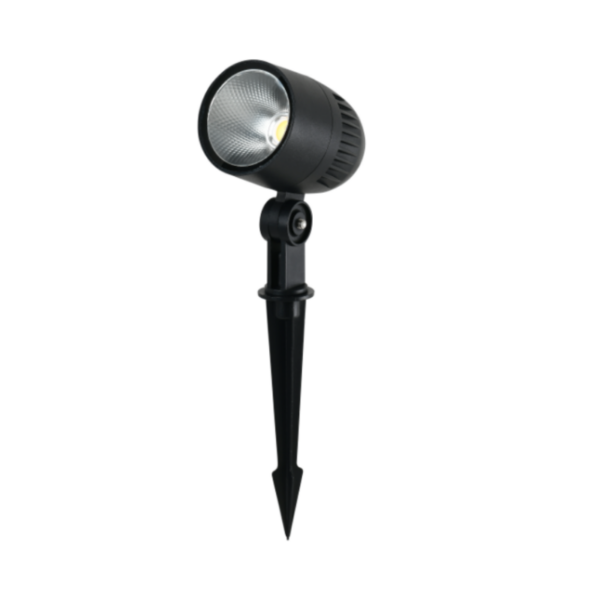
When you’re picking outdoor fixtures for pathways, landscapes, or small public spaces, the thermal design can make or break long-term performance. That’s why many specifiers studying garden spike lights focus less on the bezel and more on heat management, driver placement, and lumen maintenance over time. Cities doing wide LED rollouts—think New York City’s streetlight conversion programs—saw real energy and maintenance wins after choosing systems that prioritized thermal reliability, so it’s a tangible performance factor, not just marketing copy.
Why thermal dissipation actually matters
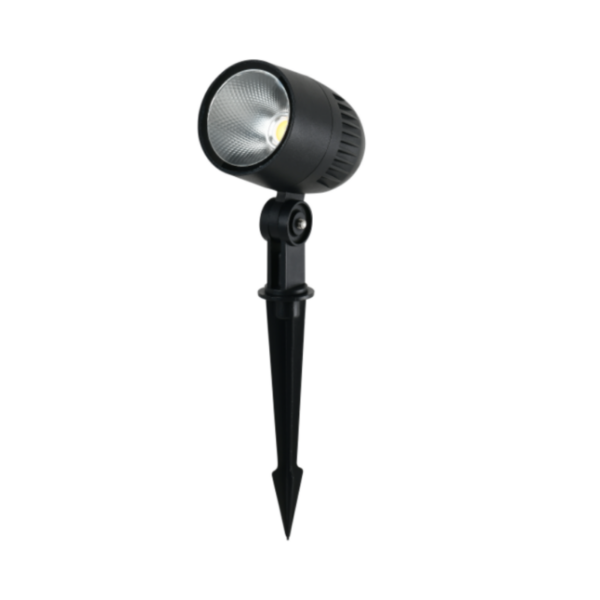
LEDs are efficient, but they’re sensitive to temperature. Poor thermal control shortens LED life and reduces lumen maintenance, which means less light and more replacements. A good heat sink and proper driver integration keep junction temperatures down, preserve CCT stability, and protect the IP-rated enclosure from accelerated wear. In short: thermal design equals predictable photometric output and lower lifecycle costs.
Comparing Keyida’s approach to typical alternatives
Keyida emphasizes proprietary thermal paths built into the housing rather than add-on fins or oversized external sinks. Compared to bulk-market fixtures that rely on generic aluminum fins, Keyida’s integrated thermal channels move heat away from the LED module and driver more evenly — so you get steadier lumen maintenance and fewer hot spots. Competitors sometimes prioritize initial cost or overpowered drivers to compensate for heat loss, which can mask problems short-term but raise failure rates long-term.
Real-world anchor: what municipal retrofits taught lighting teams
When municipalities retrofit street and park lighting they track energy and maintenance trends closely. Many programs report energy drops of 50–70% after moving to LEDs, but the long tail savings depend on component life. Teams that specified robust thermal management saw fixture lifetimes align with rated LM80/LM79 expectations and cut relamping cycles. That practical, city-level data is what convinces engineers to demand better heat sinks, integrated drivers, and clear IP ratings during procurement.
Design trade-offs: small fixtures, big consequences
Garden spike lights and small bollards force trade-offs: limited envelope means less raw surface area for heat dissipation. Keyida’s solution often uses internal thermal vias and optimized die placement to compensate — you get solid CCT control without oversizing the spike. Designers sometimes try to chase a slimmer profile and forget thermal paths—big mistake. — It may look sleek on the spec sheet, but field failures tell a different story.
Common mistakes installers and specifiers make
Three recurring errors crop up: assuming any LED module will behave the same, ignoring driver derating curves at higher temps, and skipping real-world photometric checks. Also, don’t assume an IP66 rating alone guarantees long life — condensation and trapped heat in small spike housings need addressed. When testing a led garden spike light, run it at expected ambient temps and confirm lumen maintenance after a burn-in period to catch early thermal issues.
Practical checklist before you buy
Use this quick set of comparatives when evaluating vendors:
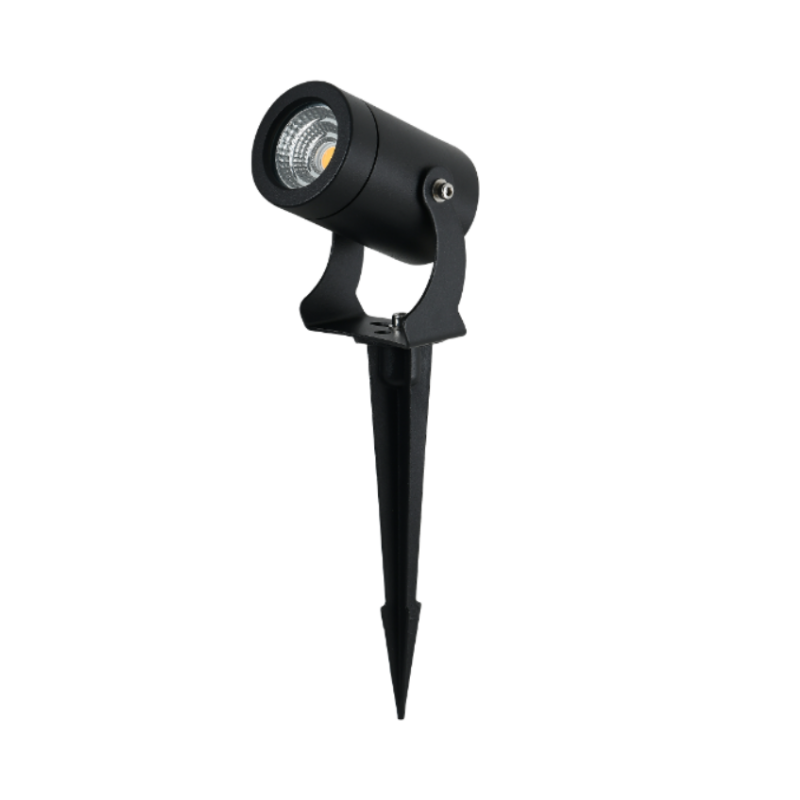
- Thermal strategy: integrated heat sink vs. add-on fins; ask for thermal simulations or Tj data.
- Driver placement & derating: is the driver within the thermal envelope or isolated? Check the derating curve.
- Photometric stability: request post-burn-in lumen maintenance numbers (LM80/LM79 references help).
- Serviceability: can modules or drivers be swapped in-field without disturbing the thermal assembly?
- IP and corrosion protection: especially for coastal or irrigation-prone installations.
Advisory: three golden rules for picking the right thermal system
1) Demand measured thermal performance — not just CAD promises. Look for published junction temps or third-party thermal reports. 2) Insist on driver integration details and derating specs so the system isn’t being pushed beyond safe limits. 3) Prioritize lifecycle cost over initial price: calculate expected lumen maintenance, relamp cycles, and real replacement costs.
Those rules get you past buzzwords and into fixtures that actually last through seasons and seasons. For projects where small-form spike lamps must deliver consistent light and low upkeep, Keyida often provides the balanced thermal strategy teams want — reliable engineering that turns design intent into real-world uptime. —