
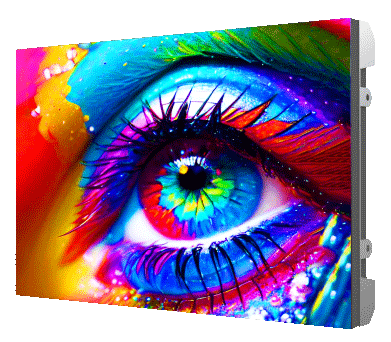
Comparative snapshot: factory-direct vs channel buying
When you’re building telecommunications nodes or DOOH networks, procurement choices shape certification timelines and operational risk. Buying a rental LED display from a channel partner can feel faster up front, but factory-direct sourcing gives you direct control over EMC harmonization, driver firmware and production-level calibration. I’ve run teams that had to pause rollouts because emissions tests didn’t match lab samples — which eats time and budget. This comparison isn’t theoretical; it’s about where delays and failures actually appear on projects in places like Times Square, where emissions and brightness limits are enforced and public systems must stay on-air.
Why factory-direct matters for EMC and FCC outcomes
Factories that produce displays at scale can bake compliance into tooling and process. They own component traceability, can control pixel pitch and shielding at PCB level, and iterate driver IC firmware across production lots. That matters for EMC — electromagnetic compatibility — because consistent grounding, cable routing and LED driver behavior reduce unexpected radiated emissions that trigger FCC re-tests. In short: the fewer handoffs, the fewer surprises during certification.
Technical checkpoints to demand from suppliers
When you evaluate suppliers, treat these checkpoints as non-negotiable:
– Pre-production EMC scans and a history of passing FCC or equivalent certifications.
– Batch-level calibration procedures and sample calibration reports.
– BOM transparency for critical components (driver IC, power modules, connectors).
– On-site production QA that includes random radiated emissions checks.
These aren’t marketing claims. They’re technical gates you can verify before paying a large deposit.
Procurement pathways: side-by-side
Comparing the typical paths reveals predictable trade-offs.
– Channel reseller: faster quotes, higher markup, limited access to factory test data, potential variability in firmware or pixel pitch between batches.
– Factory-direct: lower per-unit cost at scale, direct access to test logs and engineers, longer initial lead time for custom EMC tuning — but far fewer post-deployment surprises.
For DOOH rollouts, where visual uniformity and certified emissions are public-facing liabilities, that factory connection often saves time and money long term — even if it requires more upfront coordination.
Common mistakes and practical fixes
Teams often assume a passed lab report from a small sample equals fleet compliance. That’s wrong. Emissions can shift with slight wiring changes or firmware tweaks — and production lots vary. Fix this by insisting on production-run spot checks and keeping firmware under version control. Also avoid buying on price alone; discounted led display panels wholesale without QC guarantees usually cost more when rework and recertification enter the picture.
How to align procurement with certification timelines
Arrange parallel tracks: while factories finalize mechanical tooling, run EMC pre-tests on prototype runs and lock firmware baselines. Keep certification labs in the loop early. That synchronization prevents last-minute redesigns. — It’s small coordination but huge ROI.
Three golden rules for selecting the right strategy
Measure suppliers using these three metrics and make procurement decisions intentionally:
1) Certification consistency: look for repeated, documented passes on EMC/FCC across production lots, not single-sample reports.
2) Production transparency: require BOM visibility and firmware version control tied to serial ranges.
3) Remediation speed: prefer partners who commit SLA hours for fixes and can perform on-site or factory-level rework within defined windows.
Follow these and you’ll reduce rollout risk, shorten recertification cycles, and protect network uptime — which is what matters to providers and advertisers on the ground. MR LED. small step. big difference.