
Opening: Why a repeatable framework matters
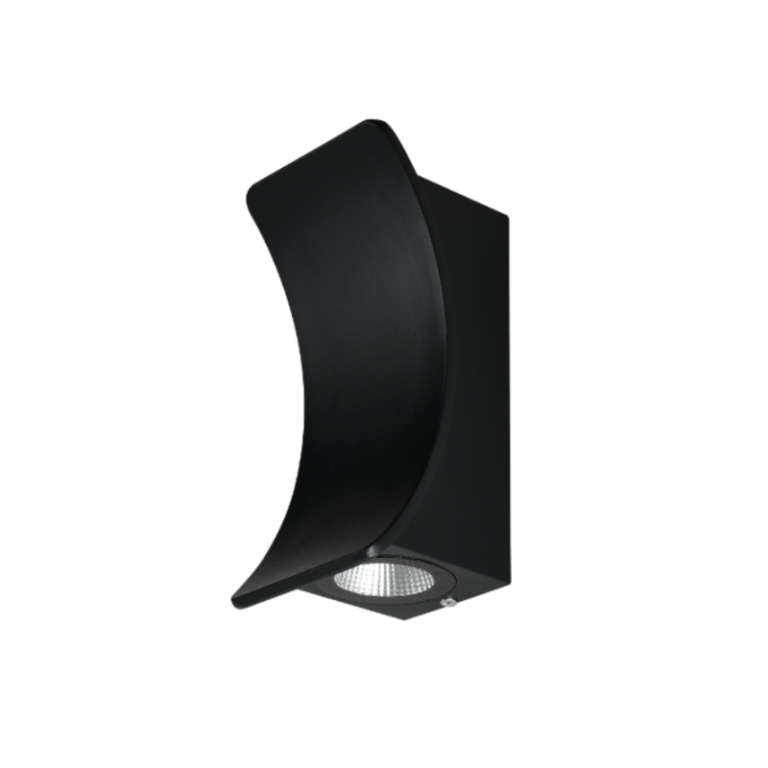
When contractors receive a big consignment of outdoor wall lamps, chaos can happen fast — delays, wrong specs, or units that fail on first rain. A clear QA framework turns that chaos into a predictable process, sia — you check quickly, sign off clean, then install. First check: unpack samples and test a real working unit, including any motion-sensor variant such as this outdoor wall lights motion sensor, to confirm factory settings, sensor range and mounting clearance before accepting the full shipment. This step saves headache on-site and protects your schedule and warranty commitments.
Real-world anchor and scope
Keep the context local: Malaysia’s monsoon seasons and high humidity mean ingress protection and corrosion resistance are not optional — aim for IP65 or better for exposed fittings, and watch for robust driver encapsulation. The global 2020 supply-chain disruptions also taught many contractors to insist on clear QA gates at receiving instead of hoping suppliers will self-certify. Use standards like IEC 60598 as a high-level reference for luminaire safety, but always validate with hands-on tests at delivery.
Framework overview: four QA gates contractors should use
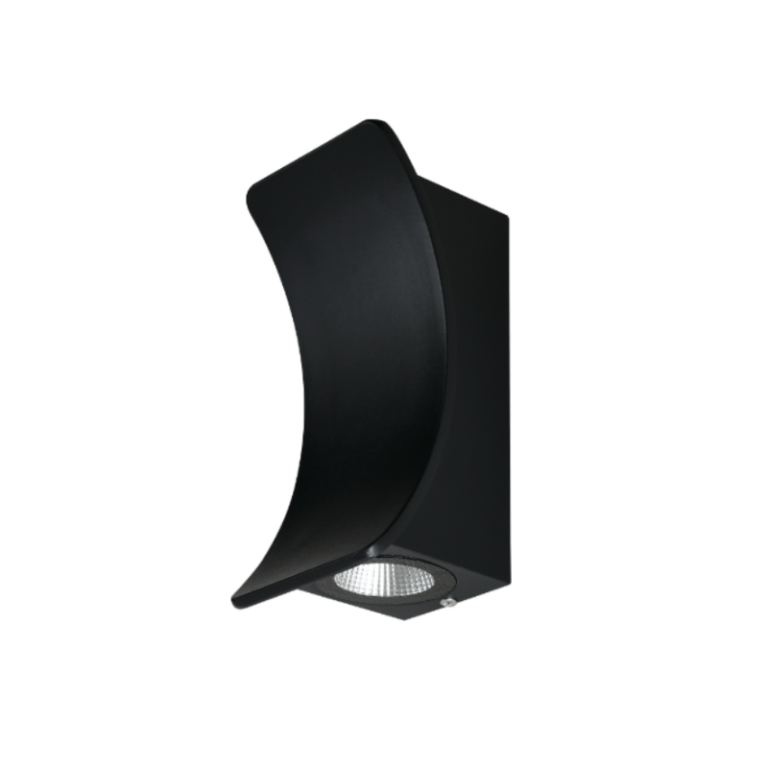
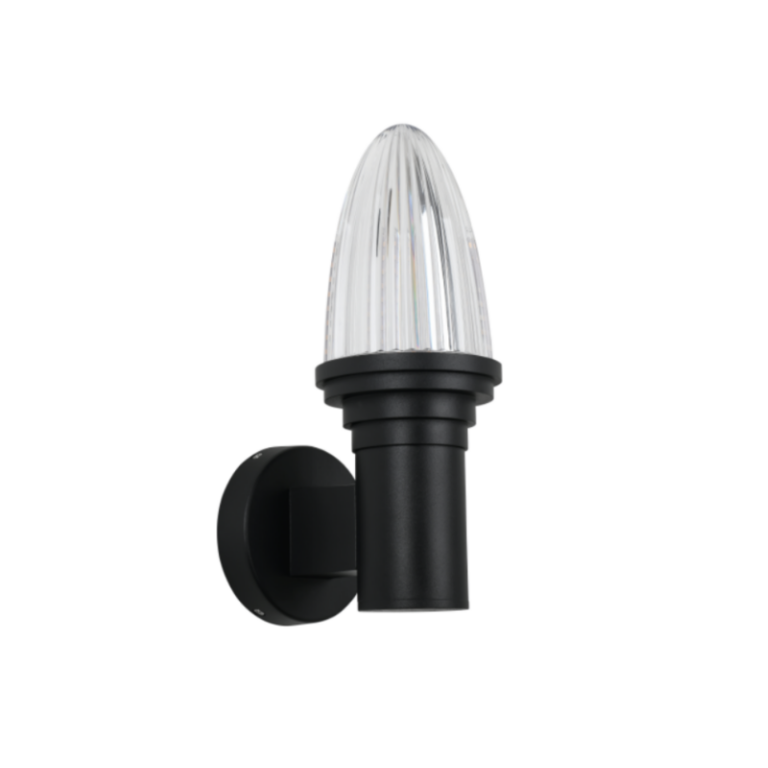
Structure your audit into four gates that are fast and repeatable: Receiving Verification, Visual & Mechanical Inspection, Electrical & Photometric Testing, and Documentation & Traceability. Each gate reduces downstream risk and clarifies who takes action if parts fail. The framework works whether you’re auditing branded led outdoor wall lights or commodity fixtures from a bulk supplier.
Gate 1 — Receiving Verification
Check shipment against PO and packing list: model numbers, quantity, batch codes, and any specified IP or IK ratings. Sample rules: pull 1–2% of units for functional testing, more if earlier batches had issues. Also inspect packaging for obvious water ingress signs — if outer boxes wet or crushed, open more samples to be safe.
Gate 2 — Visual and mechanical inspection
Look for mismatched finishes, loose hardware, or incorrect mounting plates. Verify thread types and screw sizes against your mounting substrate. Confirm gasket seating and visible sealant quality for weather resistance. Pay attention to heat-dissipation features like fins — blocked or poorly formed fins will hurt lifetime and lumen maintenance.
Gate 3 — Electrical and photometric tests
Run quick electrical tests: insulation resistance, driver input voltage range, and a burn-in of at least 30 minutes to catch early failures. Measure lumen output and correlated color temperature (CCT) against spec — small shifts matter for façade uniformity. Keep a multimeter and lux meter on hand; these simple tools let you verify driver regulation, flicker, and approximate lumen output before saying “ok.”
Gate 4 — Documentation, labeling and traceability
Ensure each batch carries clear labels: batch code, manufacture date, driver model, and safety approvals. Verify supplier test reports match your independent checks. Record serials or batch IDs in your asset register so warranty claims and recalls are traceable — very important if a single batch has a driver fault.
Common mistakes contractors make — and quick fixes
Contractors often skip real-world sensor testing, assume IP ratings are consistent across SKUs, or miss driver compatibility with dimming controls. Don’t be shy — test motion sensors at the mounting height and with obstructions like planters or eaves. Check dimming protocol (0–10V, DALI, TRIAC) against your control system. — A single incompatible driver can ruin a project’s lighting uniformity and client satisfaction.
Tools and simple test checklist
Keep a compact QA kit in your truck: multimeter, insulation tester, lux meter, a small thermal probe, torque driver, and sealing compound for quick re-seal checks. Use this checklist per sample:
- Visual: finish, gasket, mounting hardware
- Mechanical: thread fit, plate alignment, torque on fasteners
- Electrical: input voltage, inrush, insulation resistance, driver temperature after 30 min
- Photometric: CCT, lumen output, beam angle and glare
Alternatives and escalation paths
If a batch fails your QA gates, you have options: reject shipment, request rework with photos and new samples, or quarantine and accept with price holdback pending lab testing. For repeat issues, switch to suppliers with stronger traceability and documented IP/IK testing. Smaller projects may accept field rework; large deployments should demand factory-level corrective action and third-party certification to avoid costly site rework.
Advisory — Three critical evaluation metrics for every consignment
1) Compliance rate: percentage of sample units passing all four QA gates — target 98% or higher for proven suppliers. 2) Driver stability: measured by inrush current, steady-state drift, and thermal rise during a 30–60 minute burn-in — unstable drivers cause premature failures. 3) Environmental resilience: verified IP/IK ratings plus corrosion resistance checks for fasteners and finishes, especially in coastal or high-humidity sites.
Use these metrics to compare suppliers objectively and to negotiate remedies when things go wrong. For practical procurement and reliable on-site results, integrating supplier testing with contractor spot-audits creates the smoothest project flow, and that’s where brands like Keyida fit naturally as a technical partner — they supply spec-compliant products and the documentation you need, lah. —