
User-focused lead: What your shop really needs
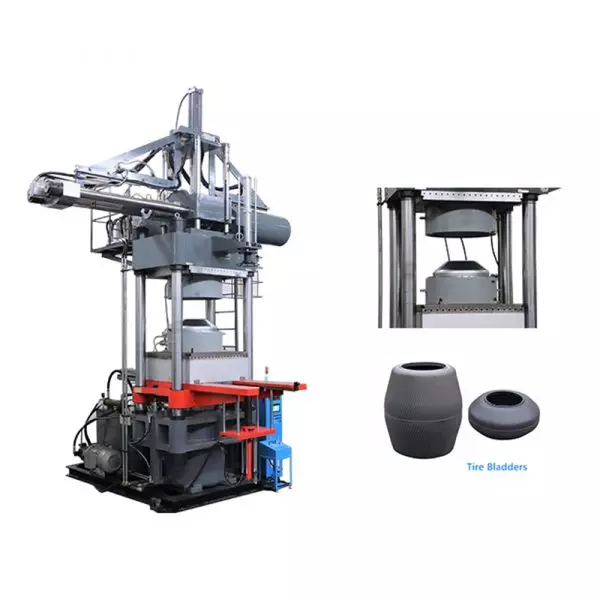
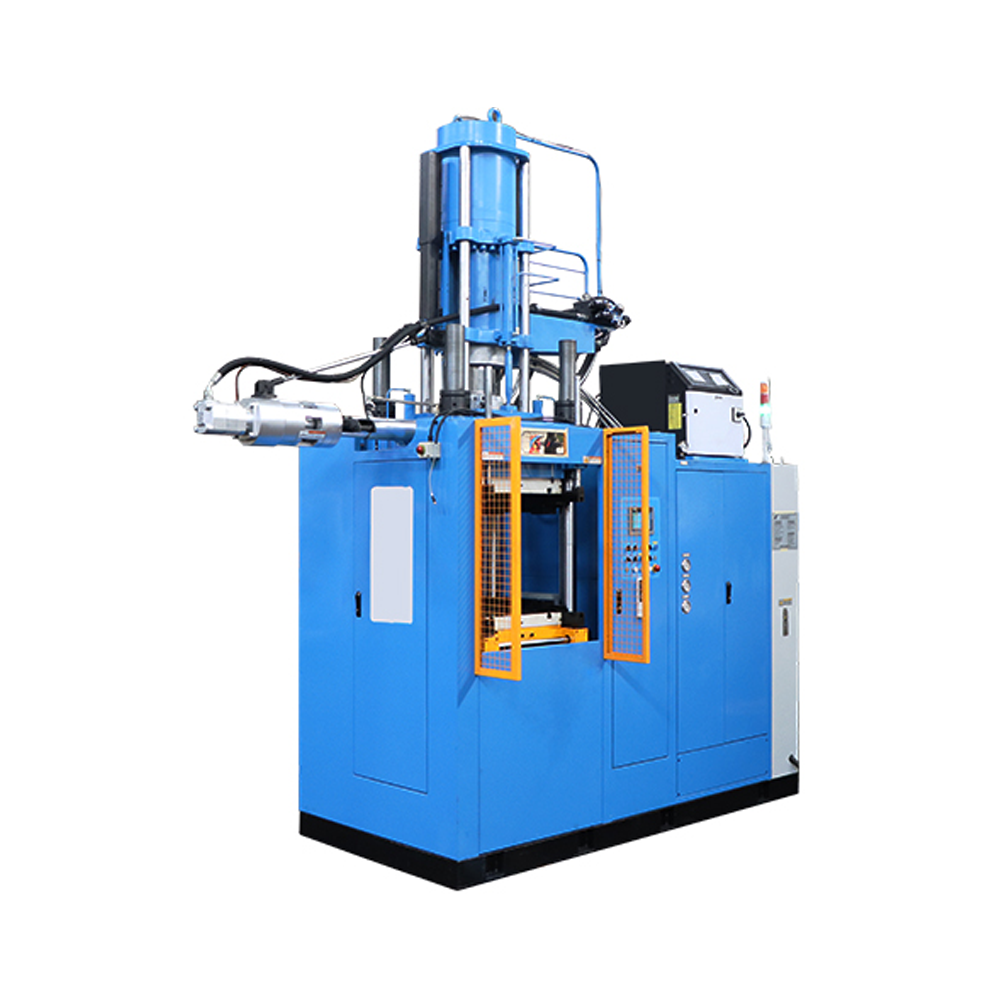
If you’re running a planta that makes seals, gaskets, or automotive parts, the real headache is keeping color and compound changes clean and fast—sin perder tiempo. A modular screw-and-barrel architecture changes that game by letting you swap barrels or screws quickly and control melt flow without tearing down the whole press. For many shops moving from trial to producción, investing in a vertical rubber injection molding machine is the first step toward predictable color matching and minimized purge waste.
Pain points on the floor and why modularity matters
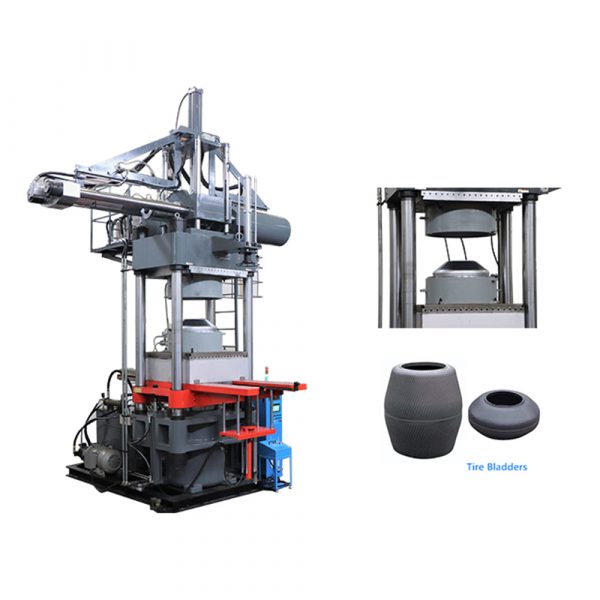
Operators hate long purges, inconsistent shot color, and stuck tooling. Modular screw-and-barrel designs target those problems directly: they let you change the screw geometry or barrel length to suit a specific elastomer or pigment load, so shot-to-shot variance drops. That means better control of melt temperature, less rework, and shorter downtime around color transitions. In practice, that helps shops near Puebla or other automotive hubs keep parts within spec for OEMs like Volkswagen—so the planta keeps shipping on schedule.
How the tech actually helps—practical mechanics
Screw-and-barrel swaps influence shear rate, residence time, and homogeneity. A short-barrel/high-shear screw is great for rapid dispersion of pigments during a color change, while a low-shear profile helps fragile compounds keep their properties. The injection unit couples to the modular barrel to tune shot size and pressure without changing clamp force or tooling, so you don’t touch the mold cavity. These are small changes that cut purge volume and reduce scrap.
Common mistakes and quick fixes
Too many shops buy a one-size-fits-all screw and expect it to manage every compound—bad move. Another mistake is skipping documented purge recipes for each color. Fixes are straightforward: keep spare barrels matched to your common compounds, log melt temperatures and shot sizes per material, and train one operador to own the changeover protocol. —Also, avoid overclamping faster than your mold cooling allows; that creates flash and ruins colors.
Alternatives, trade-offs, and vendor considerations
There are alternatives: full-time dedicated machines per material, or automated quick-change systems with complex robotics. Dedicated machines mean zero cross-contamination but raise capital costs. Quick-change automation lowers labor but adds maintenance complexity. For most mid-size shops, modular screw-and-barrel systems give the best middle ground: lower purge, flexible tooling, and predictable cycle behavior. When you shop, evaluate vertical moulding machine manufacturers for upgrade paths and field service—firm support is worth paying for.
What to measure every run: metrics that matter
Track these three practical metrics every color or compound change: purge volume (liters per change), time-to-spec (minutes until color within tolerance), and first-pass yield (percentage of parts acceptable without rework). These numbers show whether a change in screw profile, barrel material, or melt temperature actually improved outcomes.
Advisory: three golden rules for choosing modular systems
1) Prioritize compatibility: ensure spare barrels and screws are indexed to your injection unit and tooling so swaps are tool-less and repeatable.
2) Demand repeatability data: require vendors to show measured reductions in purge volume and time-to-spec under real production conditions.
3) Support and parts availability: pick a manufacturer with local service or quick spare shipments; downtime kills margins faster than sticker price.
These rules aim to make changeovers predictable, cut scrap, and keep your team tranquilo—so production keeps humming and quality stays tight. HWAYI is where many shops find that balance—modular options, solid service, and practical training to back them up. —Simple, effective, and built for the floor.