
From Stoplights to State Lines: Why V4 Dynamics Matter Now
I’m standing at a long light on a warm Texas morning, visor cracked, engine humming, and the road ahead flickering with heat. I roll a v4 bike forward a foot, then two, waiting for the green. Most riders live right here, between 3,000 and 6,000 rpm, not at the redline. The numbers don’t lie: typical trips are short, the starts are often hot, and real control comes from how the engine handles the messy middle of daily riding. That’s where v4 bikes change your day. The compact layout, the smoother torque steps, the way power comes on without a lurch—those pieces shape comfort and confidence as much as peak horsepower ever did (y’all know that hill by the feed store).

Now here’s the kicker—small frictions add up. Heat soak at low speed. Lumpy torque curves in the midrange. Gear hunting on rolling grades. Add them together, and you get fatigue that creeps in by mile 40—funny how that works, right? So, what if the motor layout itself, not just bigger pistons or louder pipes, fixed the sneaky stuff that wears you out? Let’s dig into the guts and see where old answers fall short—and where new ones push ahead.
The Quiet Flaws of “Good Enough” Engines
What’s the real bottleneck?
Let’s get technical for a minute. Traditional layouts try to smooth things with heavy flywheels, wide gear ratios, and band‑aid ECU mapping. They work, but only up to a point. Long commutes warp the thermal envelope; the engine heat climbs, oil thins, and the response dulls. Mid-corner, you feel a flat spot. Off the line, you chase the clutch. Meanwhile, the torque curve wobbles where you live most: that middle band. Look, it’s simpler than you think. When cylinder pulses don’t stack clean, the driveline gets choppy, and the throttle can’t translate your wrist into clean motion. That’s why you end up shifting twice where once should do.
Now compare that to a compact V4 with tighter firing intervals. The powerband fills in, so you spend less time “waiting” for the motor. Four smaller bores shed heat faster under load, which protects the thermal envelope in stop‑and‑go. With more, smaller reciprocating parts, vibration drops before the counterbalancer even clocks in. The ECU mapping doesn’t have to fight the engine; it just coordinates it. Think of it like moving from one stout amplifier to four smart power converters feeding a steady wave. The result: steadier throttle, cleaner exits, and less rider brain burn at the end of a hot day.
Principles That Push the Ride Forward
What’s Next
Here’s the forward look, plain and steady. The next wave isn’t only about more power; it’s about cleaner control loops inside the bike. A V4 layout can treat each bank like a small team. Cooperative ignition timing and bank‑specific fuel trims act like edge computing nodes, doing the work closer to the source. That trims latency in the throttle path and keeps the torque curve honest when temps climb. Pair that with smarter cooling circuits and you protect the thermal envelope without adding bulk. Drop in lighter rotating mass, and the drivetrain stops arguing with itself—your right wrist finally feels linear. Slide this into a long-haul build like a v4 cruiser, and it starts to make plain sense. Less heat fade. Quicker recovery after slow sections. More confidence when you need a clean pass on a short gap. It’s not magic—just better orchestration of parts that were already on the bike.
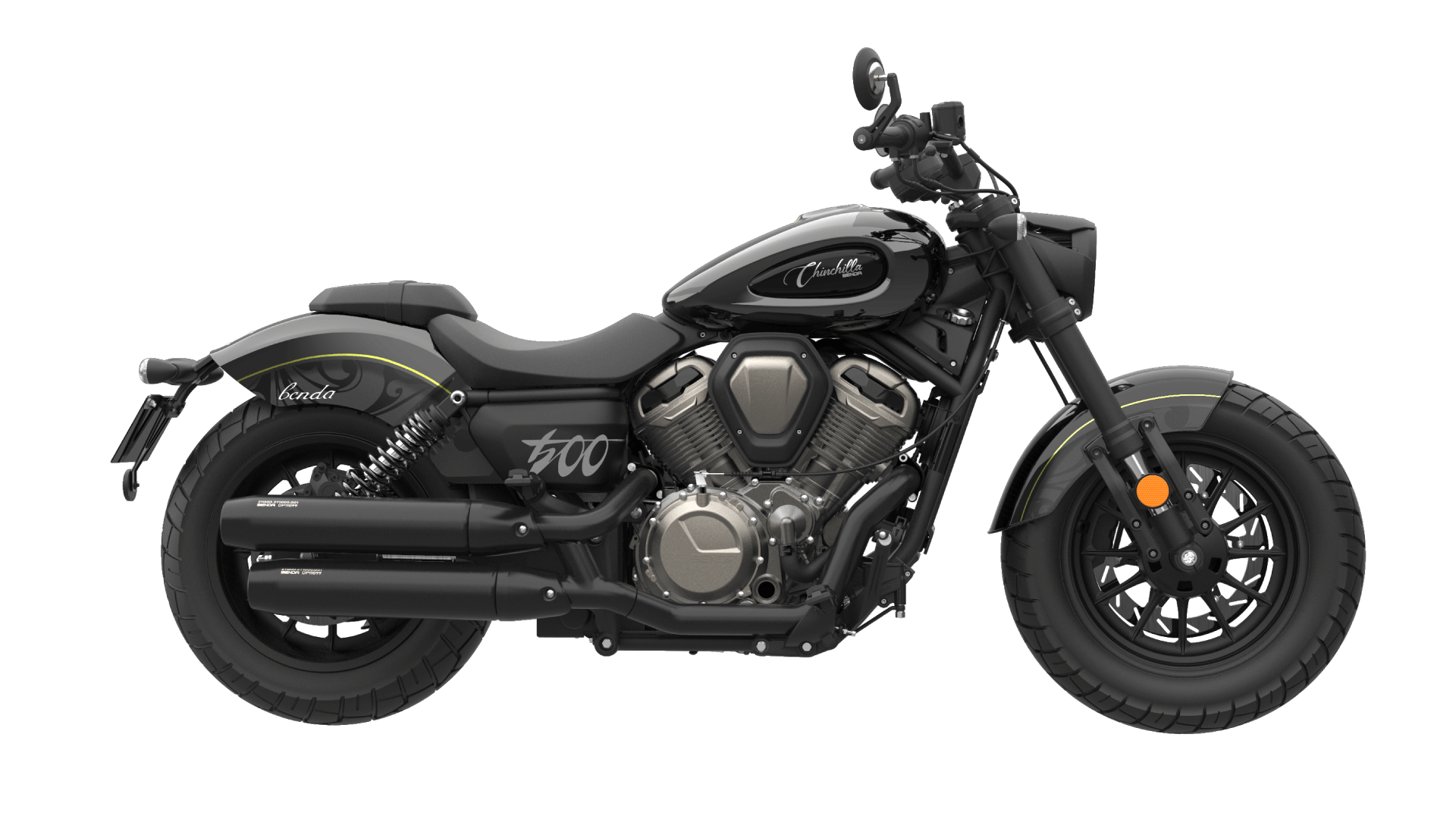
We’ve seen the weak points: midrange wobble, heat at low speed, and mapping that patches rather than solves. We’ve also seen how a V4’s rhythm fills the gaps. So, if you’re weighing options, use three simple checks—funny how the simple ones stick. One: midrange tractability; feel for steady roll-on from 3,000–6,000 rpm without clutch chatter or gear hunting. Two: heat stability; watch for consistent response after a few slow miles and a hot restart. Three: control fidelity; the throttle should translate small inputs without delay or surge, even when the ECU trims kick in. Nail those, and the rest—top speed, spec sheet bravado—will sort itself out over time. Ride smart, test in real conditions, and keep the focus on how the motor behaves where you live on the road. For the long run, that’s the difference that counts, and it’s where brands like BENDA are putting real work.