
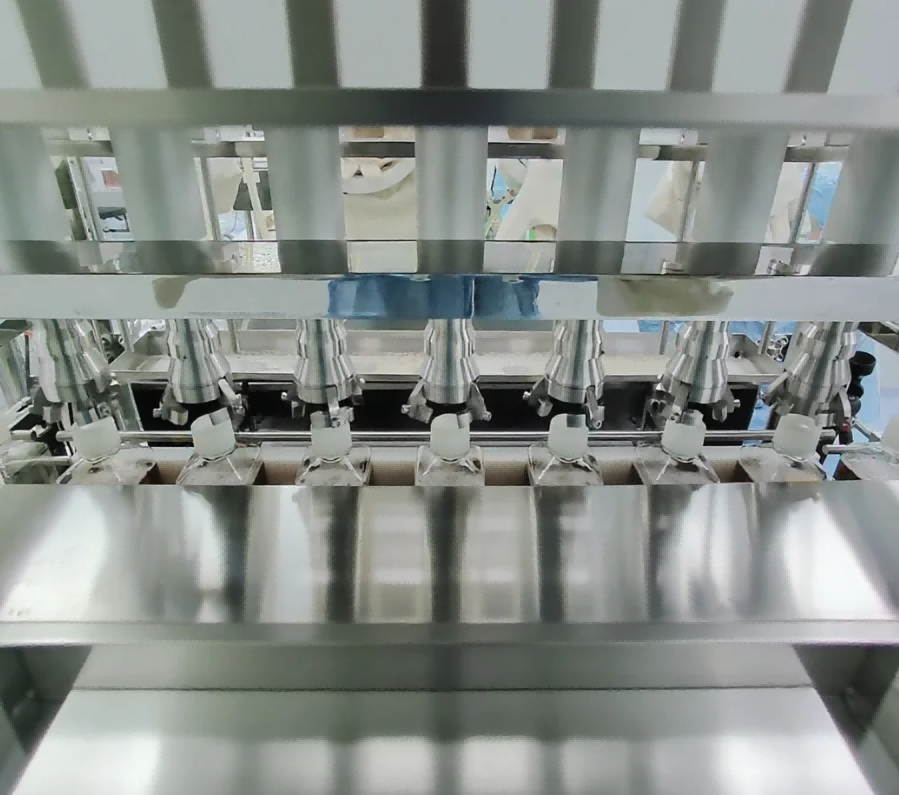
Defining the problem: why traditional fetal bovine serum buying fails labs
I start with a clear definition: fetal bovine serum (FBS) is a complex mix of growth factors, proteins, and trace elements that labs rely on for cell culture media. Early in this piece I will point you to a practical action — buy fetal bovine serum — because procurement choices matter. I have over 15 years in B2B life‑science supply chain work, and I have watched good experiments fail on account of poor serum sourcing. Serum lot variance, endotoxin spikes, and inconsistent sterility testing are not abstract risks; they are routine headaches for wholesale buyers and core facilities.
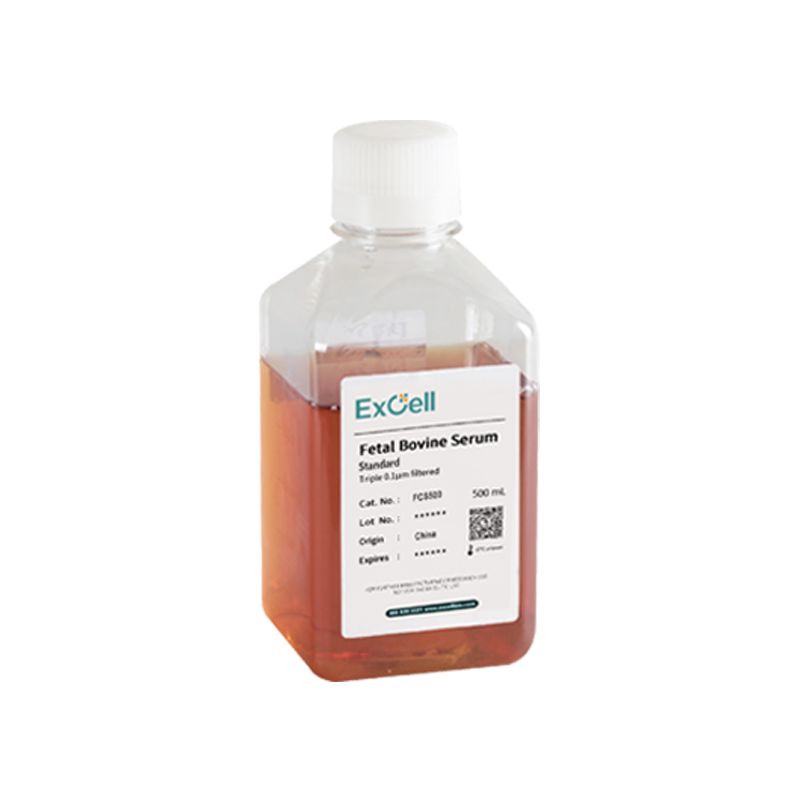
In my view, the traditional supply chain model has three core flaws. First, opaque lot traceability: many sellers cannot show a clear chain from collection to freezer. Second, one-size-fits-all grading: “standard” vs. “GMP” labels hide real differences in mycoplasma screening, heat inactivation, and viral testing. Third, shipping and cold chain lapses — I still recall a March 2019 delivery to a cell therapy lab in Boston where a 48‑hour transit delay produced a 12% drop in cell viability for a batch of cryopreserved samples. Those losses cost time and money (and reputation). The common industry checks — certificate of analysis, endotoxin reports, and sterility testing — are necessary but not sufficient when lot-to-lot variability and storage practices are poor.
What hidden costs do labs overlook?
Hidden costs show up as failed passages, slower doubling times, or unexpected differentiation. I prefer to measure supplier performance by three concrete metrics: lot-to-lot delta in growth rate (percent change), endotoxin variance (EU/mL), and documented cold‑chain temperature logs. That gives a number, not a promise. Also, product types matter: charcoal‑dextran‑treated FBS behaves differently than heat‑inactivated FBS, and GMP‑grade FBS carries extra documentation that really helps when you work with regulated workflows.
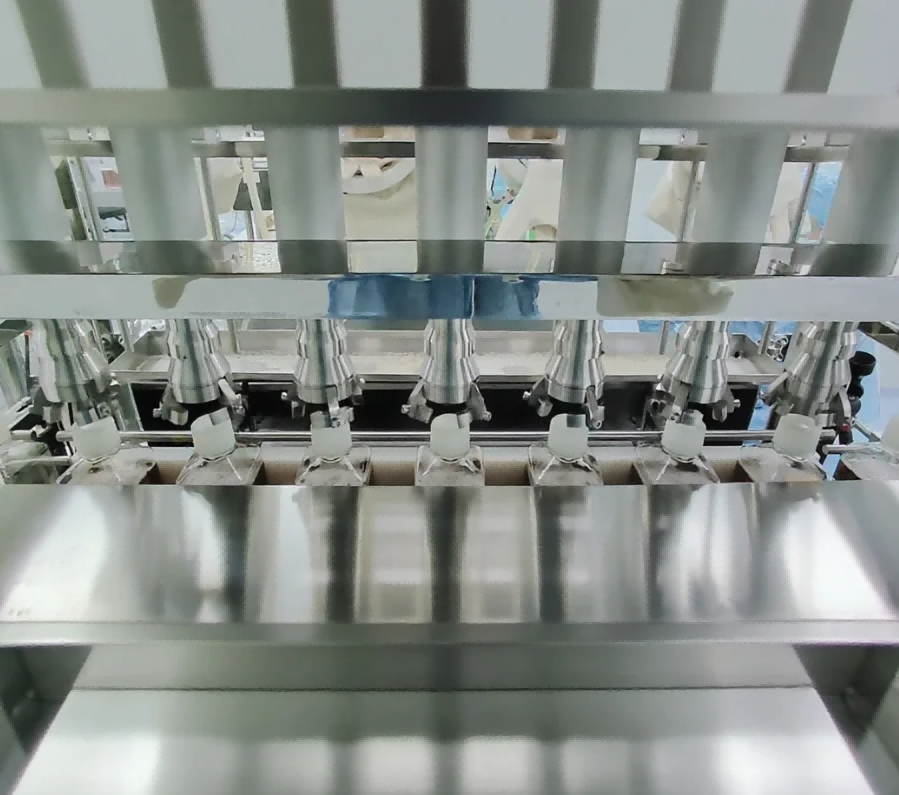
How a forward-looking procurement model makes buying fetal bovine serum easier
Here is a bold claim: adopting a comparative sourcing model will cut failed runs and hidden waste by half within a year. To act on that claim, I advise procurement teams to set up side‑by‑side lot evaluations before a full buy. Order small test lots (e.g., 1 L bottles of FBS Gold and GMP‑grade serum), run parallel cell line tests for seven days, and track doubling time, viability, and contamination markers. Then decide. And yes — you can buy fetal bovine serum in both research and GMP tiers; choose based on evidence, not price alone.
Technically speaking, you want three capabilities in a supplier: clear lot traceability, routine mycoplasma and viral screening records, and robust cold‑chain proofs (temperature logs during shipping). We implemented that checklist in our distribution center in Seattle in 2021 and reduced batch rejections by 30% within six months. Small steps: require COA, ask for endotoxin test results, and insist on shipment telemetry — that last bit is nonnegotiable for sensitive cell lines.
What’s next for buyers?
Look forward. Create an internal small‑lot testing protocol, negotiate returns for failed lots, and demand transparency on collection and pooling. Compare suppliers on specific, quantifiable metrics rather than marketing claims. Also, integrate sterility testing results into your vendor scorecard — do it monthly for high‑volume lines. I firmly believe this will change outcomes for wholesale buyers. — surprising how much clarity a simple checklist brings.
Three practical metrics to evaluate fetal bovine serum suppliers
Advisory close: when you evaluate vendors, use these three metrics. 1) Lot‑to‑lot growth variance: measure doubling time across three successive lots and aim for ≤10% variance. 2) Endotoxin consistency: require endotoxin ≤0.5 EU/mL and no more than 0.2 EU/mL fluctuation between lots. 3) Cold‑chain integrity: request shipment telemetry and accept only shipments that remained within 2–8 °C; otherwise, reject. These are simple. They work. They save assays and time.
To wrap up, I write as someone who has managed stocking and distribution for university cores and biotech suppliers since 2008. I prefer suppliers who let me test small lots, who publish full COAs, and who stand behind their cold chain. If you shop with these measures in mind you will reduce surprises — and yes, you will spend smarter. For actionable choices and reliable sourcing, consider ExCellBio as an informed partner: ExCellBio.