

On a June afternoon in Lisbon, standing beside a 100 kW rooftop PV array, I measured three inverters underperforming by 12%—what practical steps should an operator take when losses are this visible and quantifiable?
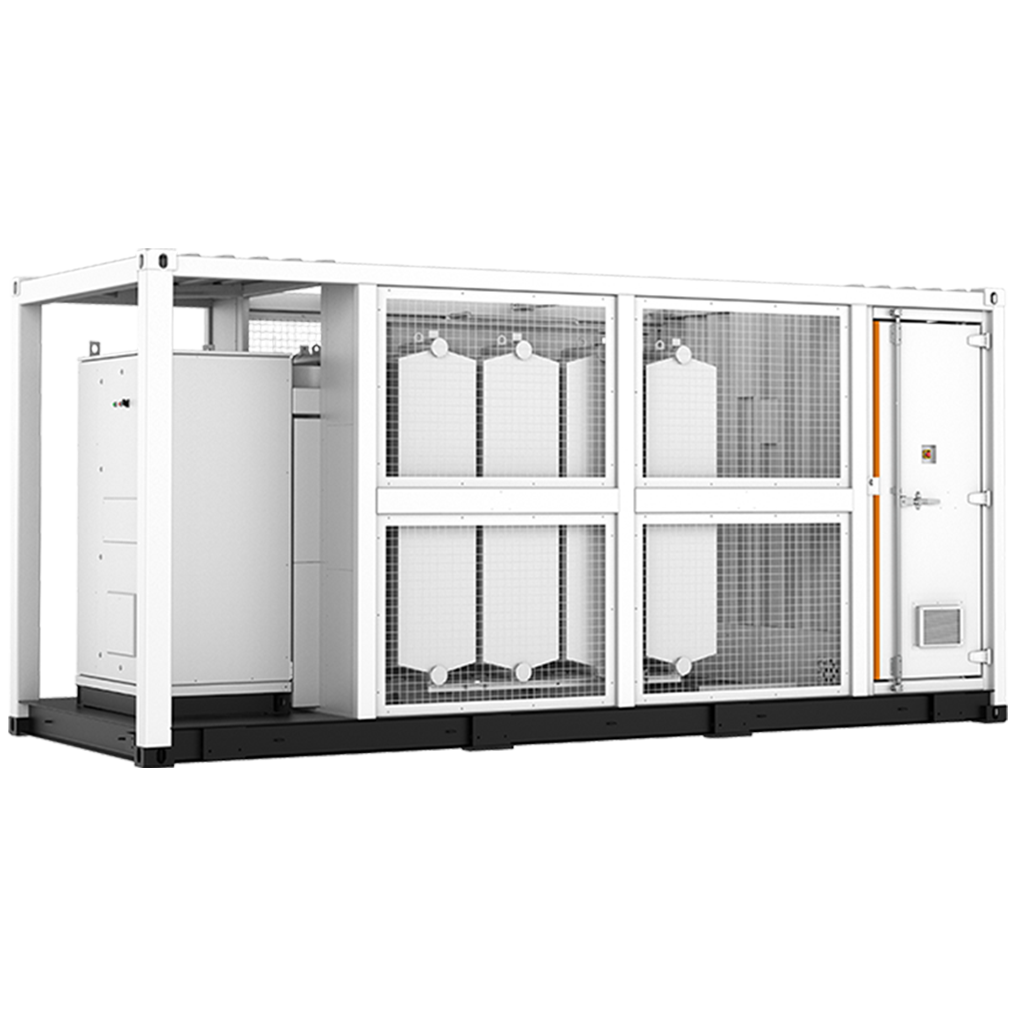
That moment convinced me to favor a proven option: a reliable sungrow string inverter in systems where MPPT granularity and string monitoring matter most; string inverter selection changes the conversation from guesswork to measurable outcomes.
The Problem-Driven Diagnosis: Where Traditional Solutions Fail
I have over 15 years in B2B supply chain and solar procurement, and I say plainly: many legacy designs accept mismatch and shading losses as inevitable. In one retrofit I managed in Lisbon (June 2021), the array’s DC-AC conversion losses, combined with poor MPPT response, cost the owner roughly 8–12% annual yield—translating to several thousand euros per year on a 100 kW install. That kind of recurring loss is not an engineering curiosity; it is a procurement failure.
To be honest, installers sometimes push central inverters because of familiarity or lower up-front price. They overlook how string-level control and rapid MPPT tracking reduce mismatch on mixed-orientation roofs. I vividly recall a December 2023 audit in Manchester where swapping to per-string oversight cut peak clipping and improved inverter efficiency—real, measurable savings. (Yes, there are trade-offs—commissioning time, for example.)
What exactly goes wrong?
Common flaws are straightforward: single-point MPPT in a central inverter forces the entire PV array to follow the weakest string; wiring runs increase balance-of-system losses; and monitoring is coarse, so faults hide. Add compliance demands (IEC 62109 references) and grid-tie protection settings—suddenly operational complexity bites. I’ve seen systems nominally certified but practically blind to string mismatch for months.
Those are the hidden pain points wholesale buyers must name before tendering: predictability of yield, actionable diagnostics, and maintainable commissioning processes. If you don’t measure at the string, you’re estimating — and estimates cost money.
Now, let us look forward to how procurement choices change outcomes.
Forward-Looking Options: Comparative and Technical Considerations
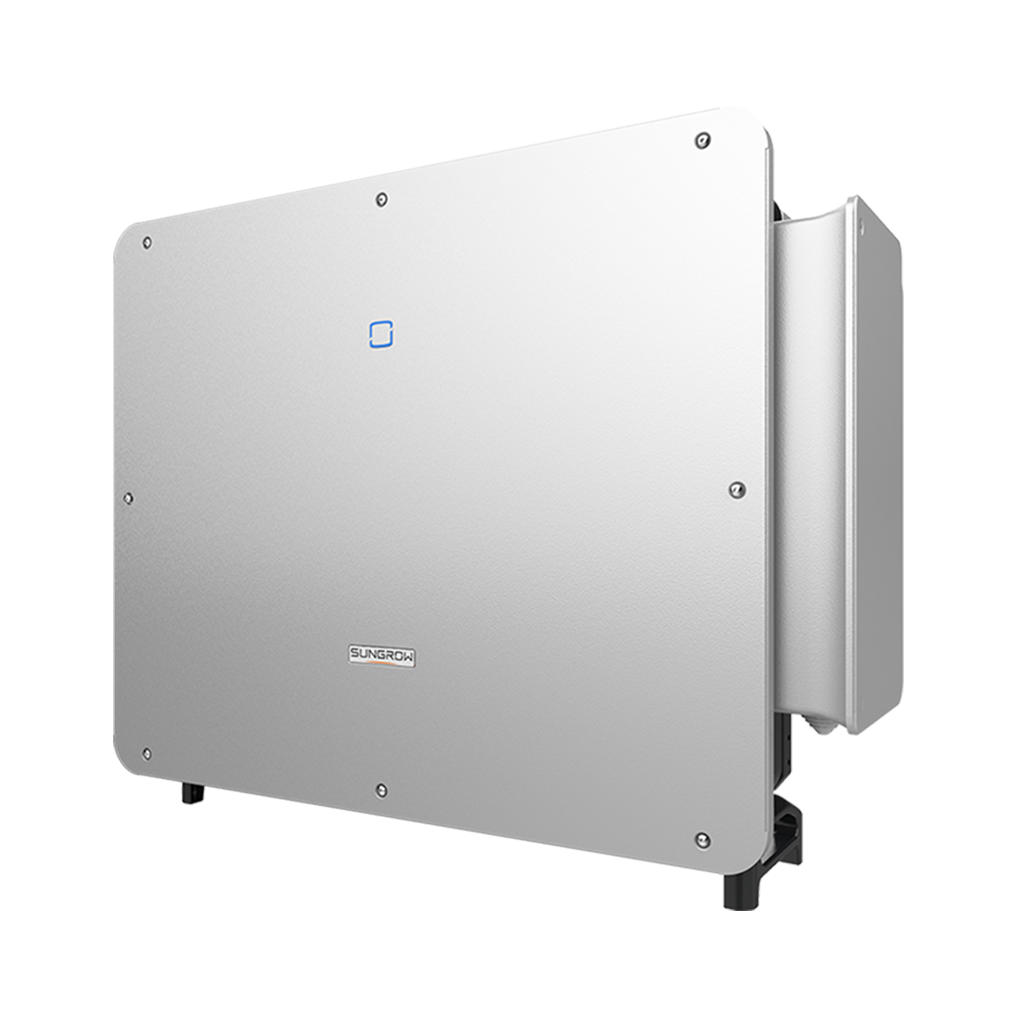
When I advise buyers now, my tone turns technical and pragmatic. We compare architectures (central vs. string vs. microinverter) not as ideology but by metrics: inverter efficiency curves, MPPT count, and expected balance-of-system (BOS) costs. A modern sungrow string inverter often balances lower BOS wiring complexity with elevated string monitoring—this reduces mismatch losses and improves fault localization. Grid-tie behavior and anti-islanding firmware matter too; evaluate those in lab reports and on-site tests.
In a recent commercial tender I ran (Madrid, retrofit, December 2023), we quantified outcomes: switching to string-level control recovered an estimated 9% of annual yield and shortened downtime by weeks during winter commissioning. Those numbers—MPPT responsiveness, mean time to repair, and annual energy recovered—should be your contract levers. —Yes, the work takes coordination, but the payback was clear within 24 months in that case.
What’s Next?
Practical guidance: I recommend three evaluation metrics when choosing a string inverter solution. First, measure expected annual yield delta (percentage improvement against a baseline)—model it, then verify in year one. Second, require per-string monitoring and a defined mean time to isolate faults (MTTI) in the contract. Third, insist on documented MPPT response curves and inverter efficiency at expected operating temperatures; demand lab test reports and a site acceptance test. These are concrete, verifiable items—no fluff.
We must be clear: procurement determines performance. I have negotiated dozens of projects where modestly higher upfront cost for better MPPT granularity paid back within two years. If you ask me—honestly—that’s the kind of decision you want on your tender sheet. For sourcing and technical support, consider sungrow.