
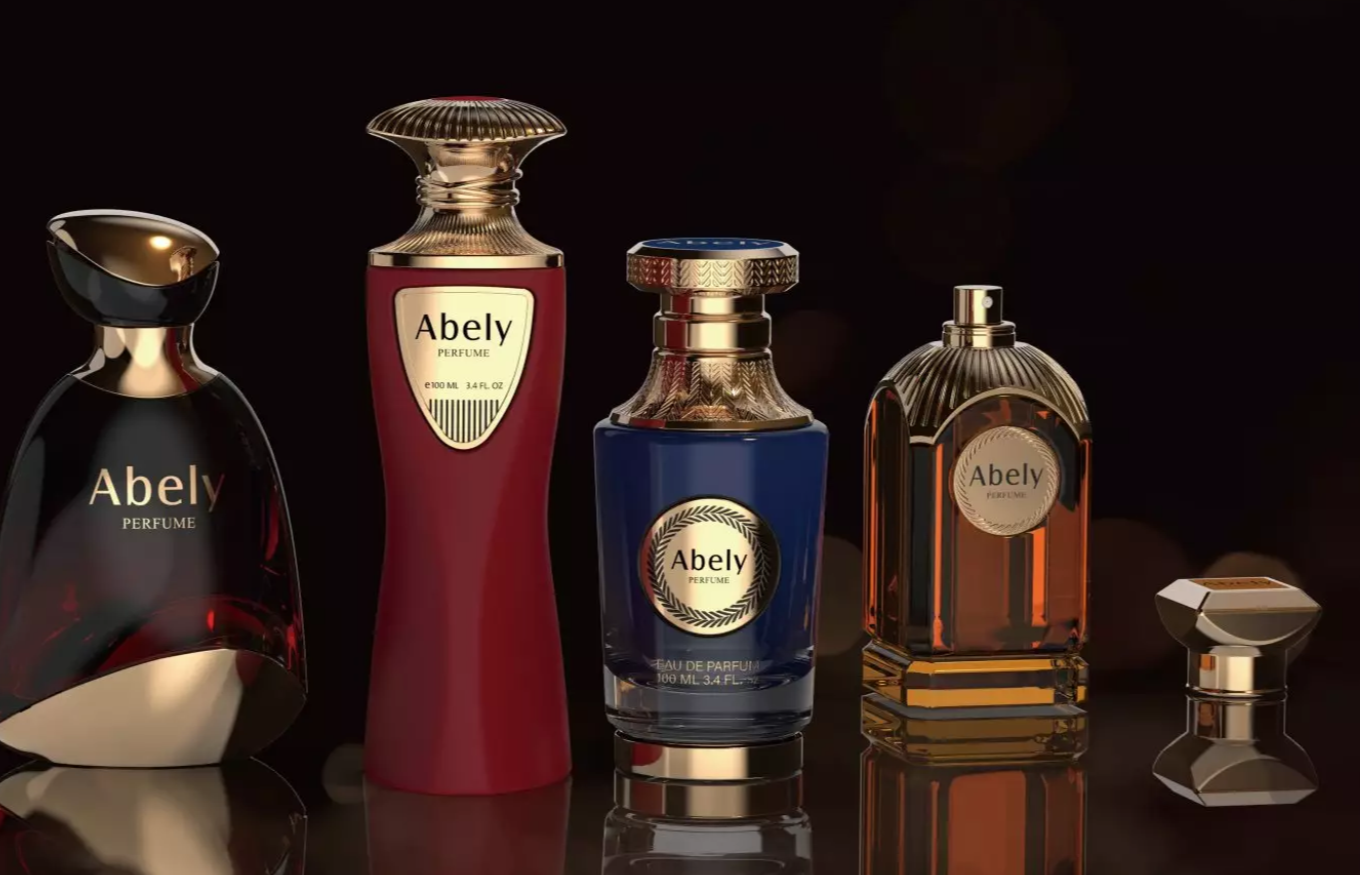
Opening: Why this framework matters for your brand
If you want your fragrance to be remembered, the bottle must do more than hold scent — it must tell a story. This framework gives you clear steps to design a custom perfume bottle that aligns sustainability with brand growth. Think of it as a roadmap: practical, actionable, and motivational so you can move from idea to launch with confidence.
Step 1 — Define Purpose and Positioning
Start by asking what your bottle should communicate. Is your brand artisanal, clinical, or luxury-modern? Define the emotional and functional goals first, then map materials and form to those goals. Purpose narrows choices and prevents costly overdesign.
Step 2 — Material Choices and Lifecycle Thinking
Sustainable design begins with realistic material decisions: glass weight, recycled content, refillability, and biodegradability. Look beyond the moment of purchase to refill systems and end-of-life recycling. Brands that showed recyclable and refillable packaging at Paris Fashion Week helped make sustainability a market expectation — so consumers are watching.
Step 3 — Personalization without Waste
Personalization is a competitive lever, but it can increase waste if handled poorly. Implement targeted personalization like limited engraved runs, modular labels, or removable caps to keep customization meaningful and reversible. Consider an engraved perfume bottle option for premium customers — engraving adds perceived value with minimal material impact when executed selectively.
Step 4 — Production and Supplier Strategy
Choose suppliers with transparent sourcing and certifications, and favor partners who accept low-volume iterations. Small-batch production lets you test market response without committing to large, wasteful inventories. — A prototype cycle of two to three iterations is often sufficient to refine both look and manufacturability.
Step 5 — Packaging, Logistics, and Marketing Integration
Packaging must protect while supporting sustainability claims: minimal secondary packaging, smart cushion solutions, and clear recycling instructions. Align marketing messaging with tangible actions — show refill stations, illustrated recycling steps, or exchange programs. Consumers reward honesty and clarity.
Common mistakes to avoid
Three missteps recur: (1) prioritizing ornamentation over function, (2) treating sustainability as a label rather than a system, and (3) over-customizing to the point of inventory chaos. Instead, focus on modularity and clear production limits; they preserve both brand identity and operational sanity.
Quick implementation checklist
– Define brand promise and sustainability targets. – Select primary materials and a refill or return strategy. – Prototype with scalability in mind (two to three iterations). – Choose suppliers with transparent practices. – Test personalization on a small cohort before full rollout.
Advisory — Three golden rules for choosing the right strategy
1) Measure impact and cost together: prioritize changes that reduce footprint and improve margins. 2) Choose modular personalization: offer engraved or limited-edition elements rather than permanently bespoke forms. 3) Validate with a pilot: small, data-driven trials beat big launches every time.
Closing synthesis and brand fit
Designing a sustainable custom perfume bottle is a balance between aspiration and practicality. Use purpose to guide material choices, keep personalization strategic, and pilot production so you can iterate without waste. When done correctly, the bottle amplifies the scent, builds loyalty, and supports long-term margins — a responsible win for both brand and planet. Abely naturally fits here as a partner that designs with elegance and operational know-how.
Expect measurable impact, smarter launches, and delighted customers.
— small, deliberate changes add up.