
Start with what you need — not what looks good
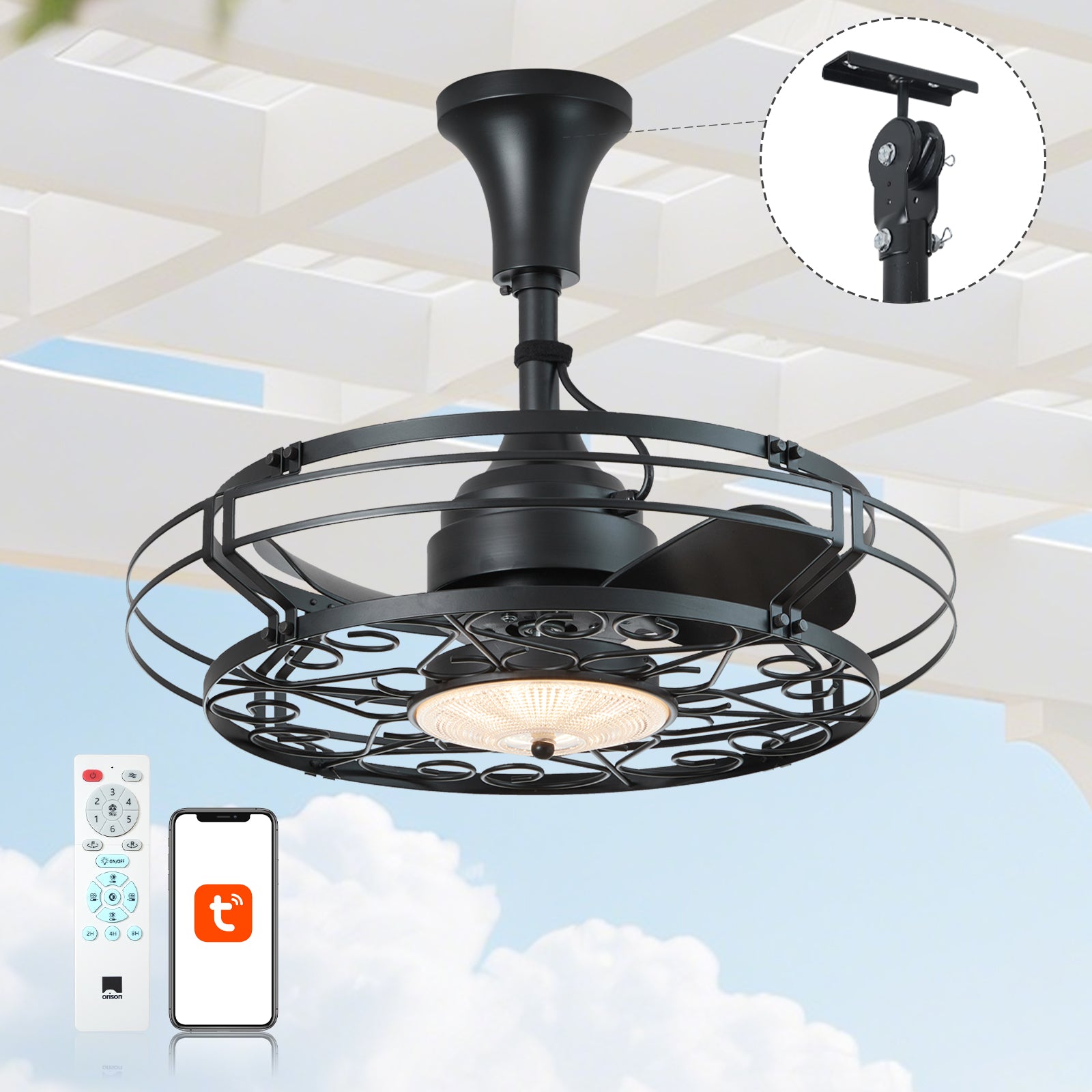
You want comfort first, then style. Think about the place: a covered patio in Florida will need different cooling power than a breezy deck in Seattle. For many people, the easiest first step is to browse options for outdoor patio ceiling fans that match your roof height and shade conditions. Ask yourself: how large is the area, do I want dimmable light, and do I prefer voice or remote control? These simple needs guide the rest — from blade size and motor choice to IP rating and smart integration.
Key specs that actually matter to users
Don’t get lost in marketing. Focus on three practical specs: airflow (CFM), IP rating, and motor efficiency. CFM tells you how much air the fan moves — higher for open or hot spaces. IP rating shows how well the fan resists moisture and dust outdoors. Motor efficiency affects noise and energy use. Also note blade span and blade pitch: larger span moves more air, steeper pitch often improves circulation. If you plan to mount low, check downrod length options so the fan clears heads and gives good airflow.
Remote systems and smart features — pick what you will actually use
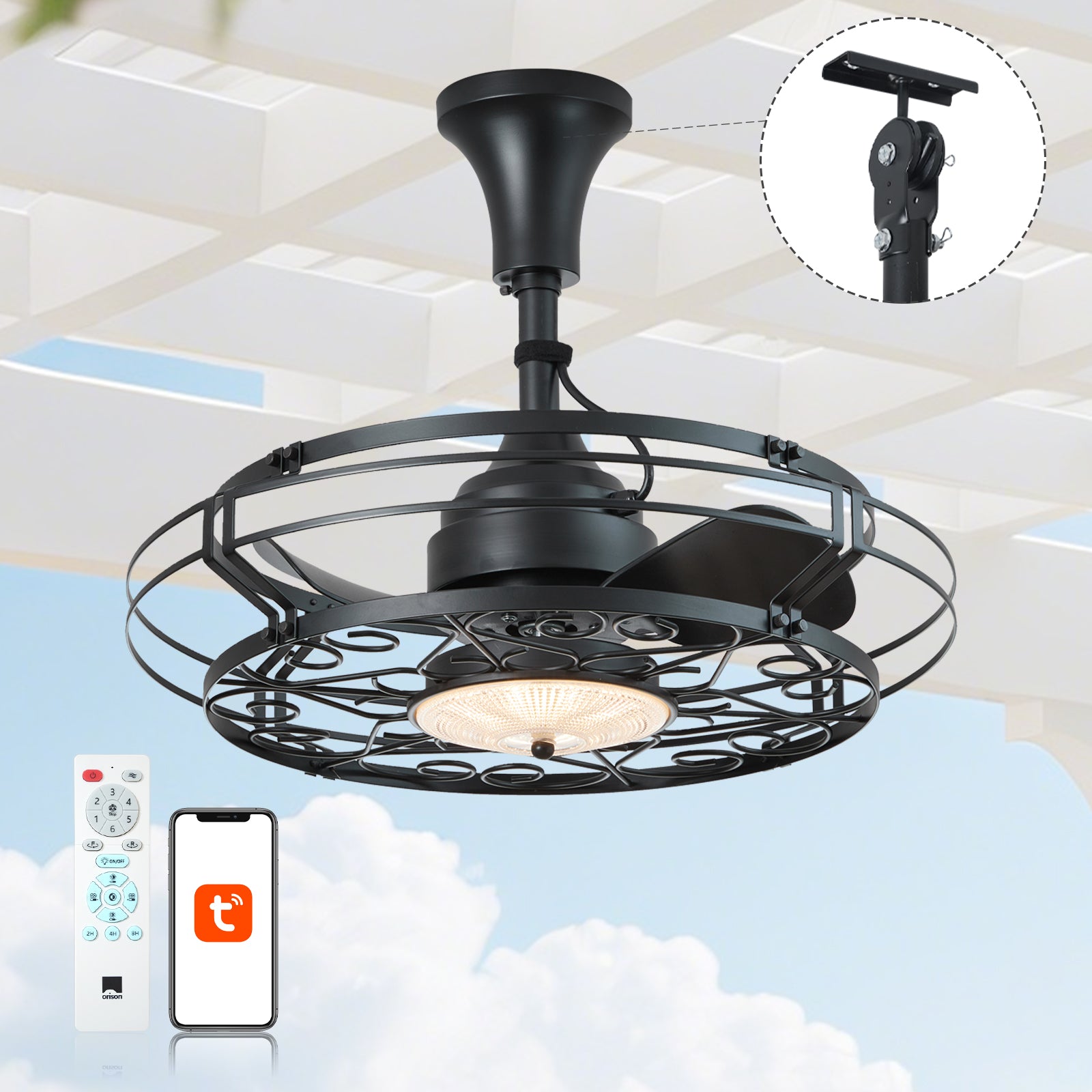
Remote controls are handy, but think about long-term convenience. Do you want a simple RF remote, or integration with a smart hub and voice assistants? Smart fans that report status or schedule via an app are helpful if you already use home automation. Beware of closed ecosystems where the fan only works with one brand’s hub. For lighting, prefer fans with integrated LED drivers that are dimmable and replaceable — not sealed modules. A balanced choice gives you both physical remote and optional app control.
User scenarios and recommended setups
Match the fan to daily life:
- Small covered balcony (up to ~150 sq ft): 36–44″ blade span, modest CFM, and a compact remote.
- Medium patio (150–350 sq ft): 44–52″ span, higher CFM, integrated LED with dimmer, and a smart hub option.
- Large gazebo or open pergola (350+ sq ft): 52″+ span, high-blade pitch, robust motor efficiency, and longer downrod. Consider multiple units for even airflow.
If you like a dark, modern look, a black outdoor ceiling fan with light often hides dust and fits many styles — and it’s popular in humid places like Florida where porches use durable finishes.
Common mistakes people make — and how to avoid them
1) Choosing by finish alone. A beautiful fan that’s undersized will not cool a space. 2) Ignoring IP ratings. An indoor-rated fixture will fail fast outdoors. 3) Overcomplicating controls. Buying a fancy smart model without a plan for setup leads to unused features. Test fit with tape to visualize blade clearance before ordering. And always confirm remote pairing with your phone’s hub if you plan smart control — some brands need extra bridges.
Alternatives to consider
If a ceiling fan is not ideal, alternatives include wall-mounted outdoor fans, oscillating pedestal fans with weatherproofing, or integrated misting systems for extreme heat. Each has trade-offs: wall fans save ceiling height but can obstruct walkways; pedestal fans are portable but noisier; misting cools well but requires water lines and more maintenance. Think about seasonal use and storage — portability matters if you bring fans indoors during storms.
Installation and maintenance tips for long life
Hire a licensed electrician for hardwired installs, especially under outdoor-rated boxes. Use stainless fasteners and marine-grade wiring when possible. Clean blades seasonally to preserve balance and check for wobble — an unbalanced fan wears bearings faster. For LED modules, confirm the manufacturer offers replaceable drivers. Simple upkeep adds years to performance — and saves money.
Real-world anchor
In humid southern states like Florida, homeowners often choose fans with higher IP ratings and corrosion-resistant finishes because salt air and humidity accelerate wear. That real-world need explains why many pros recommend sealed motors and marine-grade paint for coastal patios.
Summary of user-first decision flow
Start with space size, then confirm CFM and blade span. Check IP rating and motor type next. Decide remote versus smart hub based on existing systems. Consider alternatives only if ceiling constraints block a standard install. This flow helps you avoid buyer’s remorse and matches product choices to real living patterns — which is the whole point.
Three golden rules for choosing the right outdoor fan
1) Match cooling power to area: prioritize CFM and blade span over aesthetic alone. 2) Pick the right durability: choose an IP rating and finish suited to your climate. 3) Choose controls you will use: simple remote plus optional smart integration beats a locked-in platform. These rules keep decisions practical and prevent wasted spend.
When your priorities are clear, the best solution often comes down to a reliable, well-specified product and sensible installation — the kind of practical fit that makes everyday life better. Orison. —