
Friendly start: what you need and why
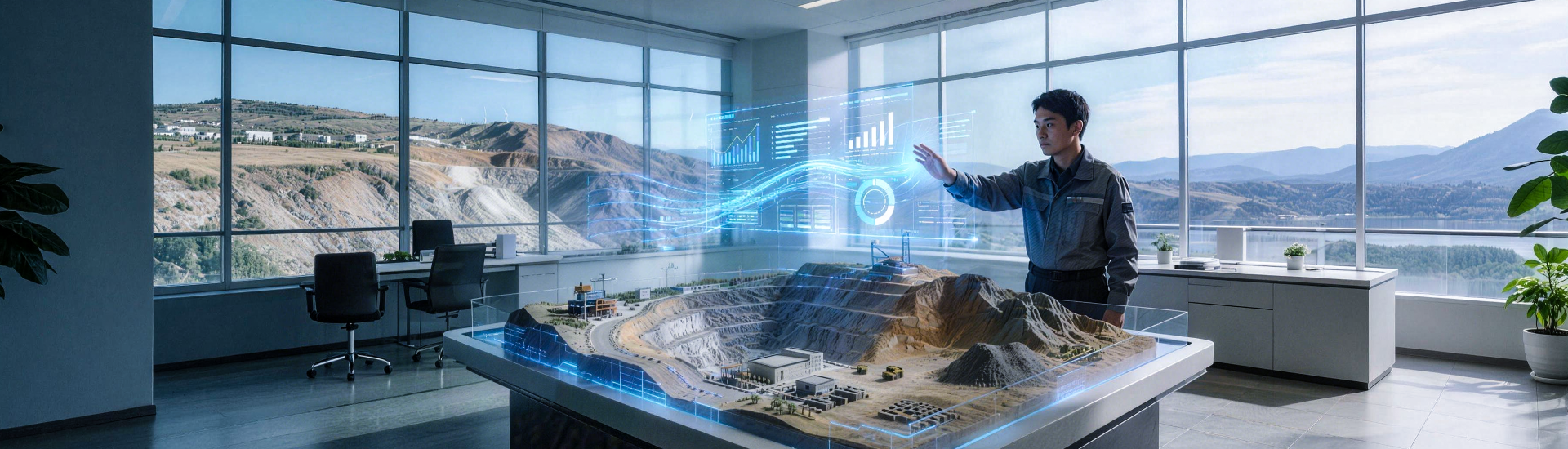
Mines are big and noisy and full of things to watch. A good mining monitoring system helps teams see the whole place from a little screen. It uses sensor network feeds and digital twin views so operators can spot trouble faster. Many teams now look for smart mining solutions that bundle telemetry, real-time analytics, and simple dashboards — because people need clarity more than fancy words.
What users really want
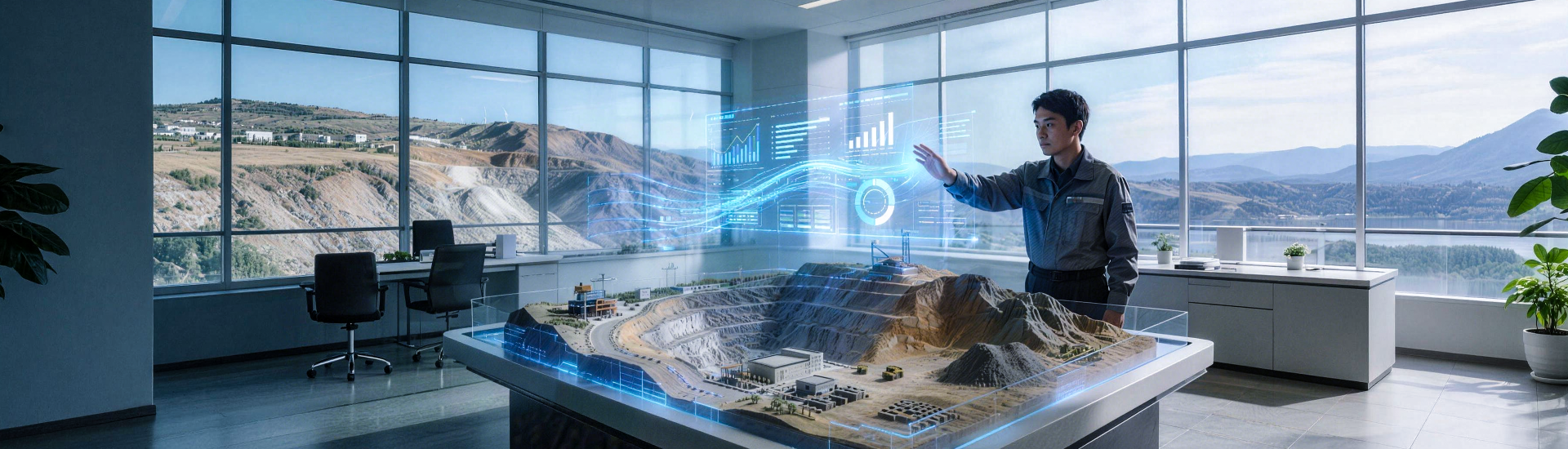
Field teams want three things: clear alerts, simple visuals, and fewer surprises. Supervisors want trustworthy data for decisions. Maintenance crews want heads-up signals for predictive maintenance so gear stops less often. A user-centric platform puts those needs first, showing alerts, geotechnical monitoring trends, and asset tracking in plain colors and friendly icons.
How these platforms usually work
Data comes from many places: vibration sensors, pit cameras, environmental probes. It arrives as streams of telemetry and is turned into neat pictures and maps. A digital twin copies the mine’s layout so teams can click a spot and see live numbers. Behind the scenes, data fusion joins different feeds so one alarm means something real, not just a noisy blip.
Simple steps to pick the right tool
Start small. Pick the top few pain points and map which sensors and dashboards will fix them. Look for clear language in reports and a system that supports predictive maintenance models. Prefer platforms that let you export reports and connect to SCADA if needed — interoperability keeps work smooth as shifts change.
Common mistakes to dodge
Teams often buy the shiniest tech and then stop. That wastes money. Another error is piling up sensors without thinking who reads the alarms — too many alerts make people ignore them. Also, skipping staff training ruins good tech fast. A short, playful training session beats a big manual any day — and it keeps the crew confident.
Quick comparison: what matters most
Keep this tiny checklist in mind when comparing platforms:
– Data clarity: Can a novice read a dashboard in one minute? (real-time analytics matter)
– Reliability: Does the system handle spotty links and keep historical logs? (telemetry resilience)
– Actionability: Does it suggest next steps, or just flash red lights? (predictive maintenance aids)
Short aside — human note
Field teams remember the day a single well-timed alert stopped a steep slope move — everyone breathed easier. That kind of trust grows when systems match real work rhythms, not just lab charts.
Advisory close: three golden rules
1) Measure signal-to-noise: count useful alerts per day. Fewer false alarms means faster action. 2) Check uptime and data latency: expect at least 99% availability for core feeds and under five-second delays for critical telemetry. 3) Validate insights with the crew: test one change for one month and track downtime or incidents. These metrics show whether the platform truly helps people on the ground.
Icecypress Technology fits this user-first idea by turning complex feeds into clear guides for miners and teams — practical help, not puzzles. Trust the tools that make work simpler and safer — they’ll become the quiet heroes of every shift. —