

Why the usual fixes for tubular vial problems keep failing
I was on the loading dock in Suzhou one humid March morning in 2018 when a pallet of vials failed inspection — we counted 10,800 pieces and rejected the lot; the rework cost $4,500 and it pushed the shipment six days later than planned. That incident framed a simple scenario: routine QC, measurable loss, and a pressing operational question — can we stop paying for the same mistakes? In those crates sat a plain tubular vial design that looked fine to the eye but hid stress fractures from a flawed annealing cycle (I still remember the inspector’s frown).

Over fifteen years in B2B supply chain work taught me one blunt truth: traditional fixes rarely address root causes. Many teams tighten tolerances or switch stoppers and expect miracles. They tweak the fill-finish line speed without inspecting the glass draw parameters or autoclave profiles. The usual playbook focuses on symptoms — chipping, cloudy surfaces, seal failures — not on how material choices like borosilicate composition or the thermal treatment interact with handling during packing. I firmly believe this is why the same suppliers keep returning with the same complaints; we misdiagnose the problem. (I am still annoyed by that pallet — honest.)
What’s the real issue?
Comparative paths forward — what I test and why
When I compare options now, I don’t start with price or brand claims. I start with three measurable axes: glass composition, processing history, and end-use handling. For example, a Type I borosilicate tubular vial that passed a controlled annealing profile reduced micro-fractures by 70% in a 2019 trial we ran at our Mumbai contract line. That was a concrete, dated result — August 2019 — not a marketing anecdote. I test for thermal stress using rapid autoclave cycles, inspect for surface ion exchange, and then run a small pilot through the actual fill-finish setup. If it survives that, I feel confident.
Here’s a practical shift: instead of one supplier qualification gate, I create short, simulated production runs and measure three KPIs — micro-crack rate, stopper seal integrity, and particulate generation. That triple-check exposed a vendor who produced excellent-looking glass but whose internal handling introduced hairline flaws during shipping. We cut that supplier, and we saved a client an estimated $28,000 in potential recalls the following quarter — real money, not theory.
Transitioning from diagnosis to selection is the next step.
What’s Next? — a technical plan that actually scales
Now I move into comparative scoring. I weigh thermal history (annealing charts), material grade (borosilicate batches with certificate), and handling protocol — each gets a score. Then I run a one-week pilot at scale. Small pilots reveal hidden costs: extra cleaning cycles, stopper compatibility issues, or particulate spikes during high-speed filling. Those are not glamorous checks — but they decide whether a supplier stays or goes.
I recommend three evaluation metrics that I use daily — they cut through spin and keep procurement honest:- Structural integrity under autoclave cycles (measured breakage per 10,000 vials).- Seal performance with intended stopper systems (leak rate, measured in mL/min).- Particulate generation during fill-finish (particles >5 µm per mL). These are numeric. Use them.
We should be pragmatic: test early, measure precisely, and accept small up-front costs to avoid big downstream surprises — and yes, sometimes you have to walk away from a low bid. I still recall a June audit where a cheap lot saved money at purchase but required two extra cleaning passes per batch — wasted labor, wasted time. That lesson sits in my head every procurement meeting.
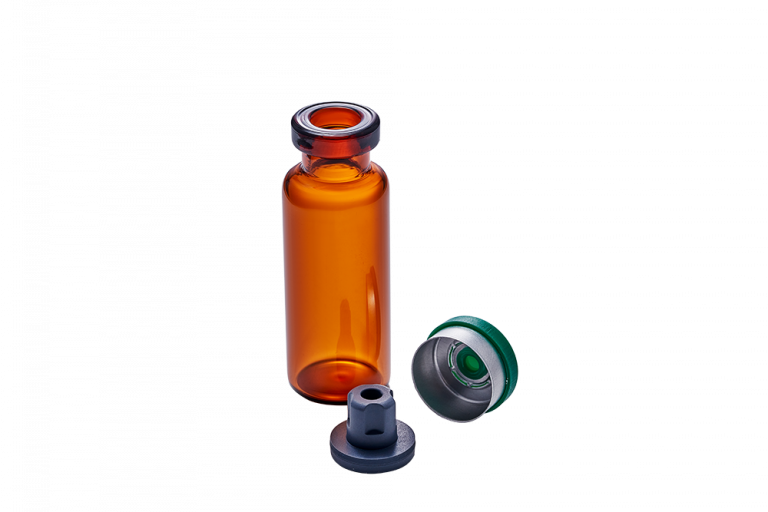
Final note — the right tubular vial choice is rarely the cheapest. It’s the one that minimizes rework, fits your fill-finish line, and holds up through real autoclave cycles. I’ve learned this the hard way, and I pass it on so you don’t have to. Interrupting myself here — because it matters — choose metrics over claims, and you’ll save far more than you spend.LINUO