
Why comparing setups matters
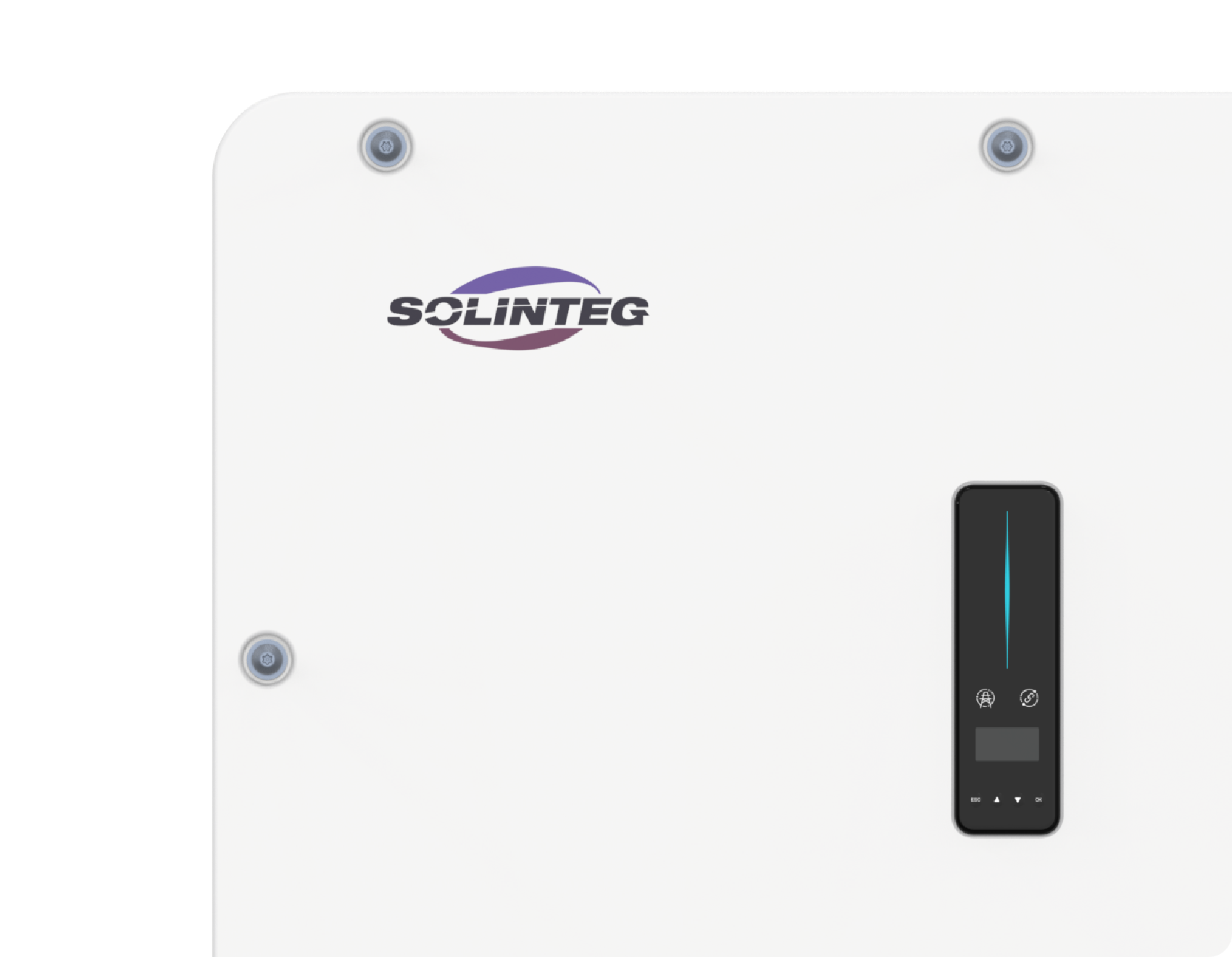
When you want a tidy, efficient system at home, the difference between a basic rooftop array and a fully integrated setup can be huge. This piece runs a comparative lens over common approaches so you can pick what actually works for your place. Right up front: pairing a home energy manager with a three phase hybrid inverter changes how loads, batteries and the grid talk — and that changes bills and comfort.
Key architectures: simple, hybrid, and fully integrated
Three main architectures keep turning up in Kiwi homes and small businesses:
– Basic grid-tied PV: solar panels and an inverter export surplus power to the grid; minimal on-site storage and limited load control. Industry terms: inverter, PV arrays.
– Hybrid systems: solar plus battery storage with a hybrid inverter that can manage charging/discharging and islanding—useful during outages. Industry terms: battery storage, islanding.
– Full home energy systems: EV charger, smart load control, home energy management, and sometimes demand response integration. Industry terms: MPPT, AC coupling, ESS.
Comparing them comes down to three things: reliability, return on investment, and how hands-off you want the whole setup to be.
Where components connect and what that means for performance
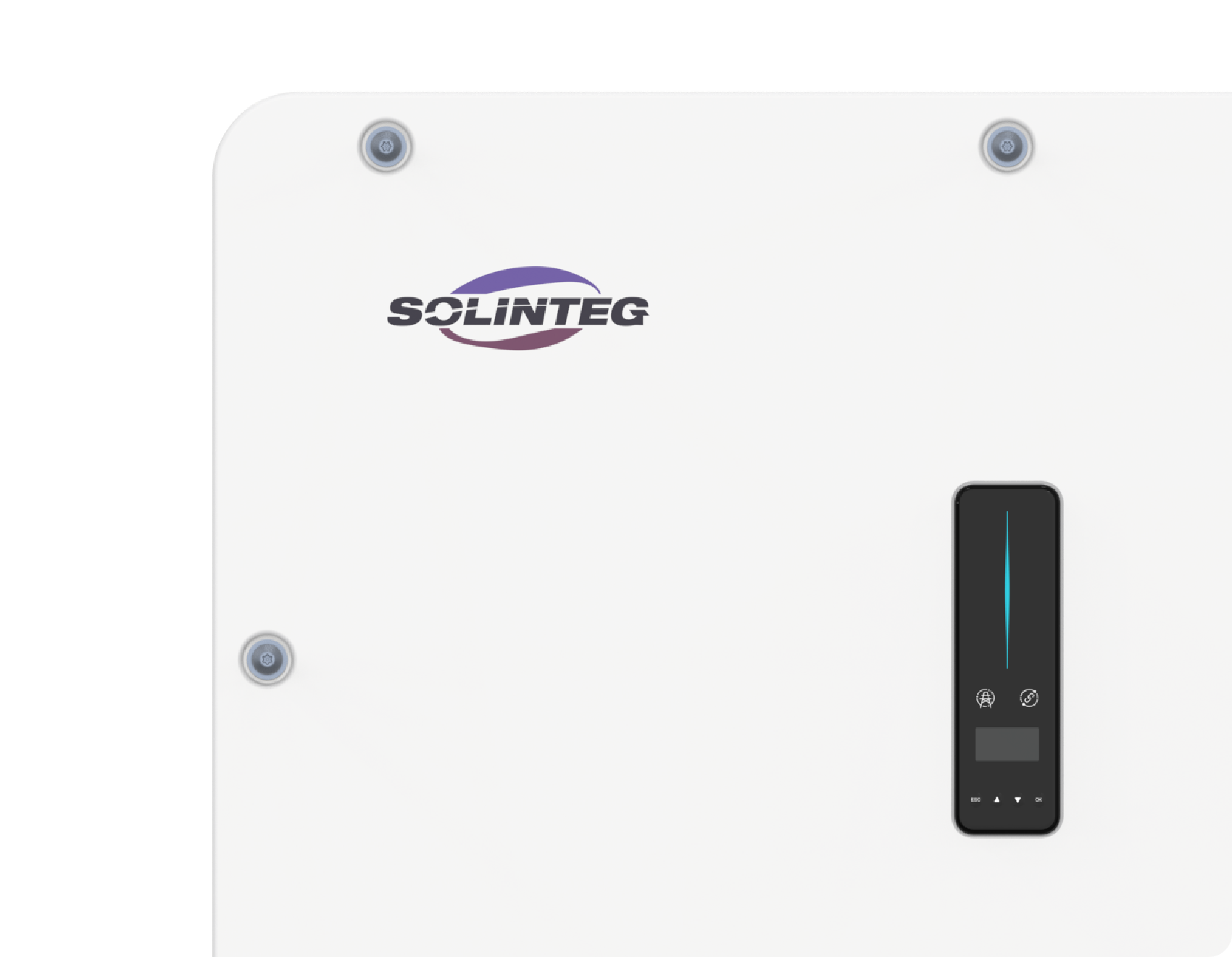
Connections aren’t just wires — they define capability. A hybrid inverter sits between PV arrays, batteries and the household panel; it handles MPPT for the PV and coordinates charge/discharge logic. Grid-tied inverters focus on export and strict synchronisation. AC-coupled systems give more flexibility for retrofits; DC-coupled systems usually squeeze a bit more efficiency from the battery but are trickier to expand later.

Real-world anchors and what they teach us
Look at California’s duck curve and the way grid operators now manage evening ramp-downs: it shows why energy-shifting matters for both households and networks. In places that saw high rooftop uptake, like parts of Australia, big batteries and smarter inverters reduced strain on the grid during peak times — that’s why hybrid and smart systems are getting traction here too. A hybrid solar inverter system from a robust vendor means your home is ready for those demand swings without you having to babysit the setup.
Common mistakes and sensible alternatives
People often overspec panels or under-spec battery capacity relative to typical load, which leads to wasted generation or disappointing backup time. Over-relying on export credit rather than onsite use is another misstep — better to size for household consumption and moderate storage. For retrofits, AC-coupled battery additions are a no-fuss alternative to rewiring for DC coupling. And don’t skimp on communication protocols; if your inverter and energy manager don’t speak the same language, you’ll lose the benefits.
Installation realities — what installers actually do
Good installers start with load profiles and local grid limits, then recommend a configuration that hits performance targets. They check power factor, model PV yield, and set up charge thresholds and export limits. A tidy commissioning process includes firmware updates and a short monitoring window to tweak settings. It’s worth asking for that monitoring period — saves hassles later. — Also, confirm warranty transfer details so you’re not surprised if you sell the place.
How brands differ: practical comparison points
Compare brands on these practical lines:
– Control ecosystem: vendor apps, open protocols (Modbus, SunSpec) or proprietary locks.
– Battery compatibility: chemistry support, depth-of-discharge settings, and warranty terms.
– Resilience features: islanding, black start capability, and seamless transfer during outages.
Match these against your goals: backup, bill reduction, or grid services participation.
Advisory — three golden rules for choosing the right system
1) Measure realistic household consumption first; size PV and battery to cover typical evening peaks rather than theoretical maximums. Metric: usable battery kWh vs nightly load kWh.
2) Prioritise interoperability: choose inverters and management systems that support open communication standards so future upgrades aren’t a headache. Metric: supported protocols (Modbus/SunSpec) and firmware update policy.
3) Check resilience specs: ensure the inverter supports fast islanding and has tested black-start or backup modes if you need outage support. Metric: guaranteed UPS/backup transfer time and supported load during islanding.
These rules steer you to systems that actually deliver, not ones that look flash on paper.
Practical choice boils down to usability and durability — and when the setup is right, you get lower bills and a calmer home. SOLINTEG sits in that sweet spot by offering inverters and management options that make upgrades straightforward and reliable, which is why many installers here favour their kit — solid, no-fuss, and built for real homes. —