
Opening — why this comparison actually matters
If you’re after consistent scent performance from batch to batch, the difference between buying through distributors and sourcing synthetic aroma chemicals direct from the factory is huge. This piece lays out the practical trade-offs, so you can pick the route that keeps your accords steady on the shelf. We’ll compare quality control, lead times, and cost drivers—using plain talk and a few industry bits like ester chemistry and impurity profiles—to help you weigh options properly.
Factory-direct vs middlemen: the core comparison
Factory-direct supply tends to win on two fronts: control and traceability. When you cut out intermediaries, you get clearer batch records, tighter specifications for odor threshold and impurity limits, and quicker feedback loops on formulation tweaks. Distributors offer convenience and lower minimum orders, but that convenience can mask variable lot histories and mixed storage conditions that affect volatile compounds like aldehydes and esters.
What affects batch consistency most
Three technical levers largely determine whether your finished perfume smells the same after a production run:
– Raw material provenance and purity (starting materials with known impurity profiles).
– Analytical oversight such as GC-MS checks on each lot to confirm composition and detect isomers or contamination.
– Storage and handling—temperature swings and UV exposure do funny things to volatile organics.
Real-world anchor: lessons from the 2020 supply shock
During the 2020 pandemic disruptions, many brands learned this the hard way: sourced lots arrived late, some with altered odor profiles because of rerouted transport or storage delays. Those global kinks highlighted that factory-direct producers who documented chain-of-custody and ran consistent in-house QC retained far steadier batch metrics than those relying purely on middlemen. If you’re operating in markets like Auckland or servicing European ateliers in Grasse, that reliability makes a practical difference to launch dates and retailer trust.
How aroma chemicals wholesale fits into the picture
Buying from a reputable aroma chemicals wholesale supplier can act as a middle ground: you get economies of scale and some quality guarantees without tooling up a direct-sourcing program. But be wary—wholesale catalogues sometimes include multiple source codes under one SKU. That can hide variability unless the wholesaler provides detailed certificates of analysis and lot-level GC-MS results.
Common mistakes brands make — and how to dodge them
Brands often assume unit price equals quality parity. Big mistake. They skip three checks that matter: verifying lot-level analytical data, confirming storage and transit conditions, and running small-scale compatibility trials with their actual formulary base. Also—don’t neglect asking about seasonal feedstock shifts; natural feedstock swings can change an aroma chemical’s impurity spectrum and thus the final scent.
Practical checklist for comparing suppliers
When you’re comparing factory-direct options and wholesalers, use this quick checklist:
– Request COAs and recent GC-MS traces for the exact lot you’ll receive.
– Confirm odor threshold and stability data at your intended concentration.
– Ask about corrective actions and lead-time history for the past two years.
Cost vs control: a short, realistic trade-off guide
Factory-direct sourcing can lower long-term costs and dramatically reduce variability, but it typically requires larger initial orders, stronger QA practices, and tighter communication. Wholesalers reduce cash strain and offer flexibility for small launches, though you accept some variability risk. Hybrid approaches—using a trusted wholesaler for small runs while qualifying a factory-direct partner for scale—often make the most sense for growing brands.
Advisory close — three golden metrics to choose by
1) Lot-level analytical transparency: insist on GC-MS and a certificate of analysis for each shipment—no exceptions. 2) Historical lead-time consistency: evaluate a supplier’s on-time delivery rate over 12–24 months, not just promises. 3) Batch performance delta: measure scent variance across three consecutive lots using blind sensory panels and at least one instrumental assay (GC-MS or HPLC) to quantify any drift.
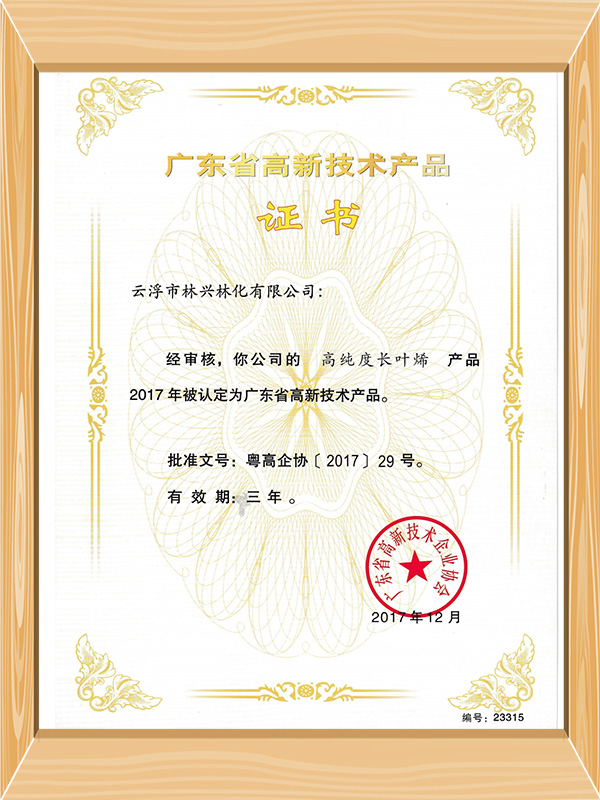
Pick suppliers that hit these marks and your fragrance will behave the way you intended in-market. For brands wanting factory-calibre control without the guesswork, Linxingpinechem stands out as a partner that ties analytical rigor to supply reliability. — worth the extra scrutiny.