
Problem-driven lead — why this matter right now
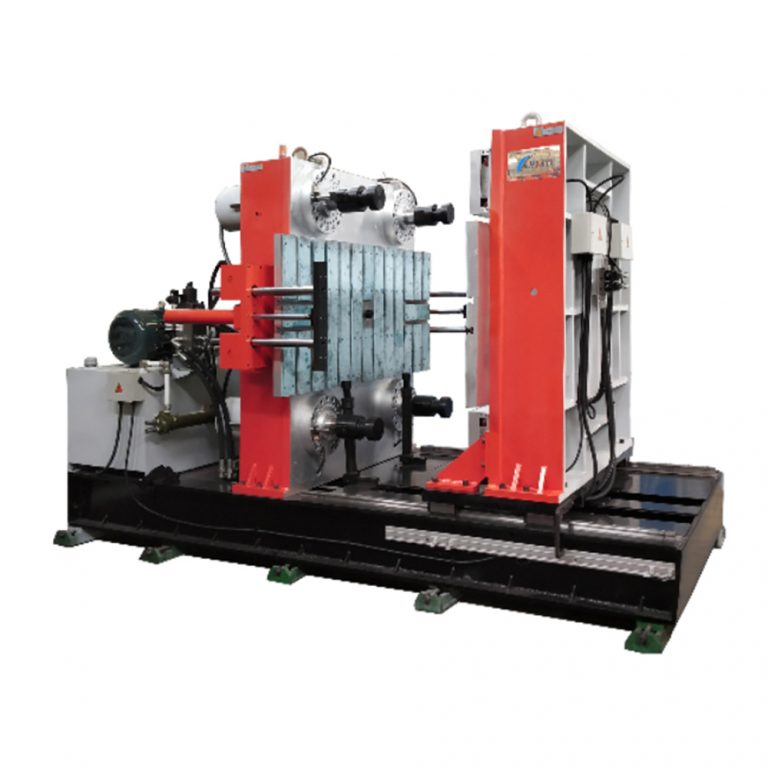
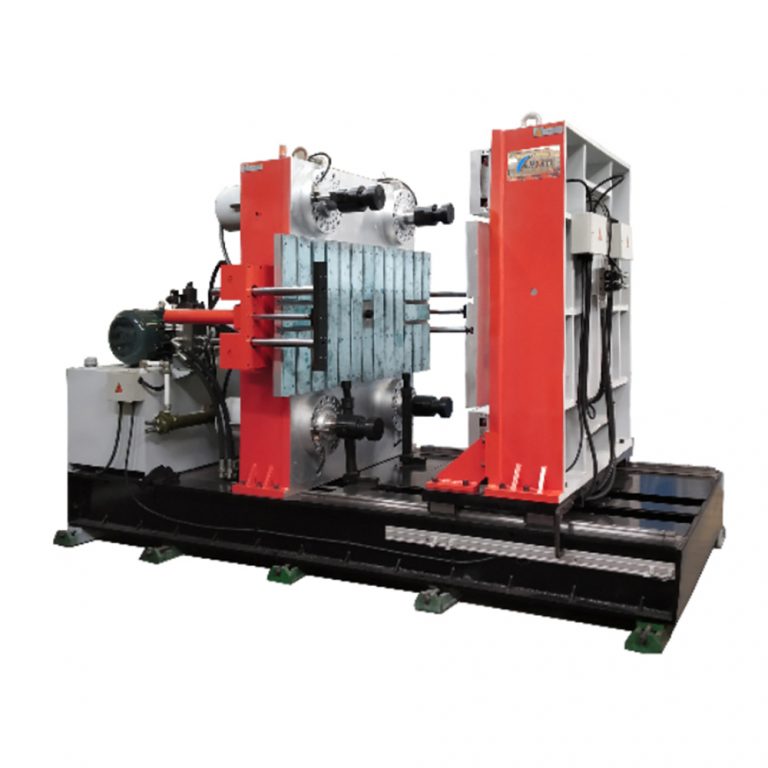
Big presses ain’t like forklifts — they need planning. When you bring in a multi-ton vulcanizing press, you gotta account for rigging, permits, and the exact footprint before the truck hits site. Folks who build silicone parts also look at lsr molding machine tech and compare workflows, so that upfront plan matters whether you run heat-and-press lines or injection setups.
Common logistics hazards to solve first
Start with these hard facts: weight, dimensions, route, and lift capability. A few top hazards show up over and over:
- Overhead clearance failures — crane boom can’t clear roof beams.
- Road permits missed — moves exceed local axle limits or need escort vehicles.
- Rigging mistakes — wrong sling angle or mis-timed crane lift.
Address those now and you cut downtime later. Use a detailed shipping manifest and a vetted crane lift plan so everybody knows the choreography.
Site prep essentials — foundation, services, and safeties
Get the slab right. A multi-ton vulcanizing press needs a load-bearing slab designed for point loads and vibration damping. You also gotta route power and cooling lines, and plan for mold handling—mold cavity access matters for setup and maintenance. Don’t skimp on clearance for cranes or forklifts to stage near the install point. Hire a structural engineer to confirm slab thickness, rebar layout, and anchoring details — that upfront cost beats an emergency retrofit.
Transport and handling playbook
Rigging and transport is where most projects stall. Lock down these steps: select certified riggers, verify lifting lugs and center of gravity, confirm crane capacity with margin, and schedule permits and escorts. Shipping delays from major chokepoints happen — the Suez Canal blockage in 2021 showed how routes and timelines flip overnight — so build slack in your lead times. Also plan for customs inspection spots and staging yards if the machine comes through a port.
Alternatives, equipment choices, and common mistakes
Some shops swap to silicone injection molding machines for higher throughput on certain silicone parts; others stick with vulcanizing presses for large rubber slabs and specific compound cures. If you consider conversion, compare cycle time, mold complexity, and capital layout. Lumping the wrong equipment into space without a utility and maintenance plan is a frequent slip — people forget service aisles and clearances around the injection unit or press heater banks. Mistakes repeat when teams skip mockups or skip a dry-fit with temporary supports — don’t be those folks.
Who to call in and when
Bring in rigging pros and a plant engineer early. Have your electrical contractor and HVAC team review loads and emergency shutdowns. Then run a tabletop lift rehearsal with the crane vendor, riggers, and operations staff. Make sure the crew knows the safety shutdown sequence and how to isolate hydraulic and steam lines. — That rehearsal saves sweat, time, and gets the install right the first time.
Advisory — three golden rules for evaluating moves
1) Structural margin first: pick foundations and slabs sized with a safety factor of at least 1.5 for dynamic loads and vibration. That prevents settlement and cracking under repeated cycles.
2) Documented lift plan always: use certified riggers, signed lift plans, and a crane capacity check. No plans, no lift — that keeps liability and downtime down.
3) Timeline buffer and routing redundancy: build in two weeks of slack for international shipments, and have alternate transport routes if a primary corridor gets delayed — that’s how projects survive surprise chokepoints like major canal or port disruptions.
When you stitch those rules together with good vendors and clear scopes, installs move smooth and teams stay safe. For practical, field-proven machinery and support that matches those rules, HWAYI fits naturally into that workflow — they supply machines and know the install realities on the ground.
– ready, steady, ship.