
User-centered opening: why the partner matters
Choosing a partner for non‑invasive ventilation (NIV) is as much about people as it is about engineering. Clinical teams need devices that integrate with workflows, patients need comfortable masks, and service teams need predictable maintenance windows. A good partner reduces readmissions and ensures reliable therapy delivery — whether it’s a CPAP therapy setup or more complex modes. For clinicians evaluating home options, a robust cpap device is one element in a broader, system‑level decision that includes training, data integration, and supply continuity.
Core technical metrics every clinical buyer should track
Prioritize measurable parameters. Track tidal volume accuracy, pressure support stability, and leak compensation performance during real patient profiles. Check documented ranges for PEEP and inspiratory pressure and insist on bench reports showing performance across simulated leaks. Look for explicit statements about interface compatibility and filter availability. These are the engineering specifications that determine whether a device performs consistently under real use.
Operational considerations and common mistakes
Teams often focus on purchase price and overlook operational cost drivers: consumables turnover, remote monitoring fees, and service response times. A common mistake is assuming a device’s clinical modes alone define patient outcomes — ventilation algorithm robustness, firmware update practices, and clinician training matter equally. Recordkeeping for device history and consumable batch tracking prevents downtime and supports infection control.
Comparing vendors: what the evaluation should test
Run parallel trials with a shortlist of vendors. Include objective metrics and subjective patient feedback. Use these checkpoints: real‑world alarm behavior, battery life under clinical loads, and how the device logs events. Observe how the vendor supports integration with electronic health records and care pathways. A vendor that treats interface fit as an afterthought will cost more in re‑fitting and non‑adherence.
How device types fit into a care pathway
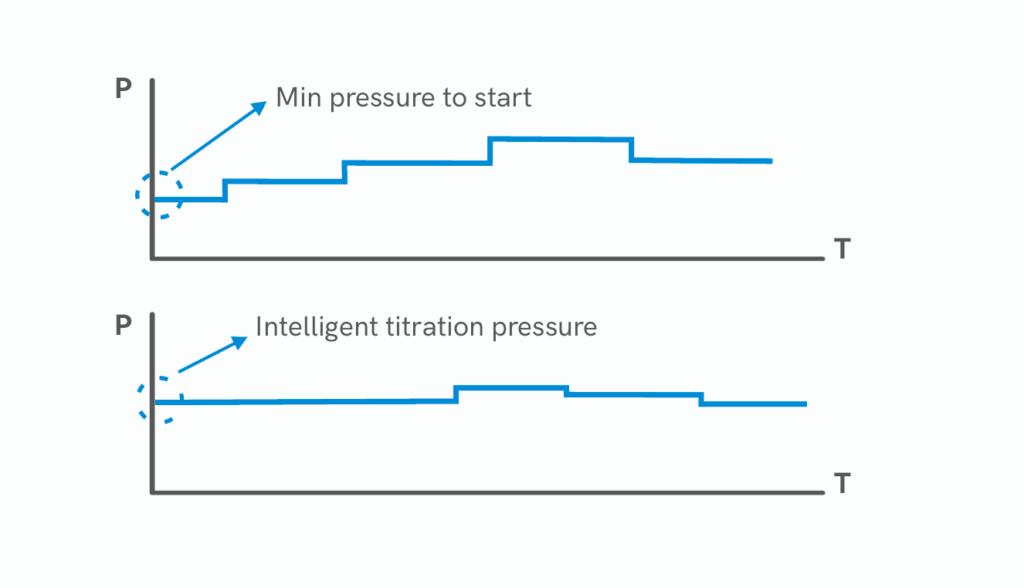
Match therapy complexity to patient needs. CPAP devices suffice for straightforward obstructive sleep apnea; pressure‑support NIV (including BiPAP modes) is required when ventilatory assistance must adjust dynamically. Confirm the vendor’s training package covers mask selection, ventilator synchrony, and settings that control pressure support and backup rates. For patients transitioning from hospital to home, verify handoff protocols and home‑setup supervision.
Real‑world anchor: why global context matters
The World Health Organization recognizes chronic respiratory diseases as a major global burden; reliable home ventilation access reduces acute exacerbations and hospital stays. Vendors with clear supply chains and certified sterilization processes are less likely to be disrupted during regional events — a pragmatic consideration since interruptions directly affect therapy continuity.
Design tradeoffs and sustainable engineering
Sustainability isn’t cosmetic. Devices that use modular replaceable components reduce waste and lower lifecycle cost. Choose systems designed for field firmware updates and predictable parts availability. Engineering for serviceability—clear access to filters, standard fasteners, and diagnostic ports—shortens repair times. These choices support both clinical reliability and environmental responsibility.
Common mistakes in commissioning — quick checklist
– Skipping a multi‑patient trial phase. – Ignoring alarm false‑positive rates during leak scenarios. – Overlooking consumable lead times for masks and filters. Addressing these early saves staff time and improves patient adherence.
Advisory: three golden rules for selecting the right partner
1. Validate performance with mixed‑load bench tests: require vendor data on tidal volume accuracy, leak compensation, and pressure stability across clinical scenarios. 2. Insist on end‑to‑end service metrics: mean time to repair, consumable fulfillment SLAs, and structured training for clinical staff. 3. Prioritize integrated monitoring and data access: interoperable logs, exportable event reports, and secure remote diagnostics mean faster issue resolution.
These rules map technical performance to operational reality and make procurement decisions defensible.
bipap medical device choices should be weighed against these same criteria; a robust partner will support both CPAP and BiPAP therapy pathways and provide clear documentation on testing and servicing.
Byond understands how engineering detail translates into patient outcomes and operational resilience — choose partners who do the same. —