
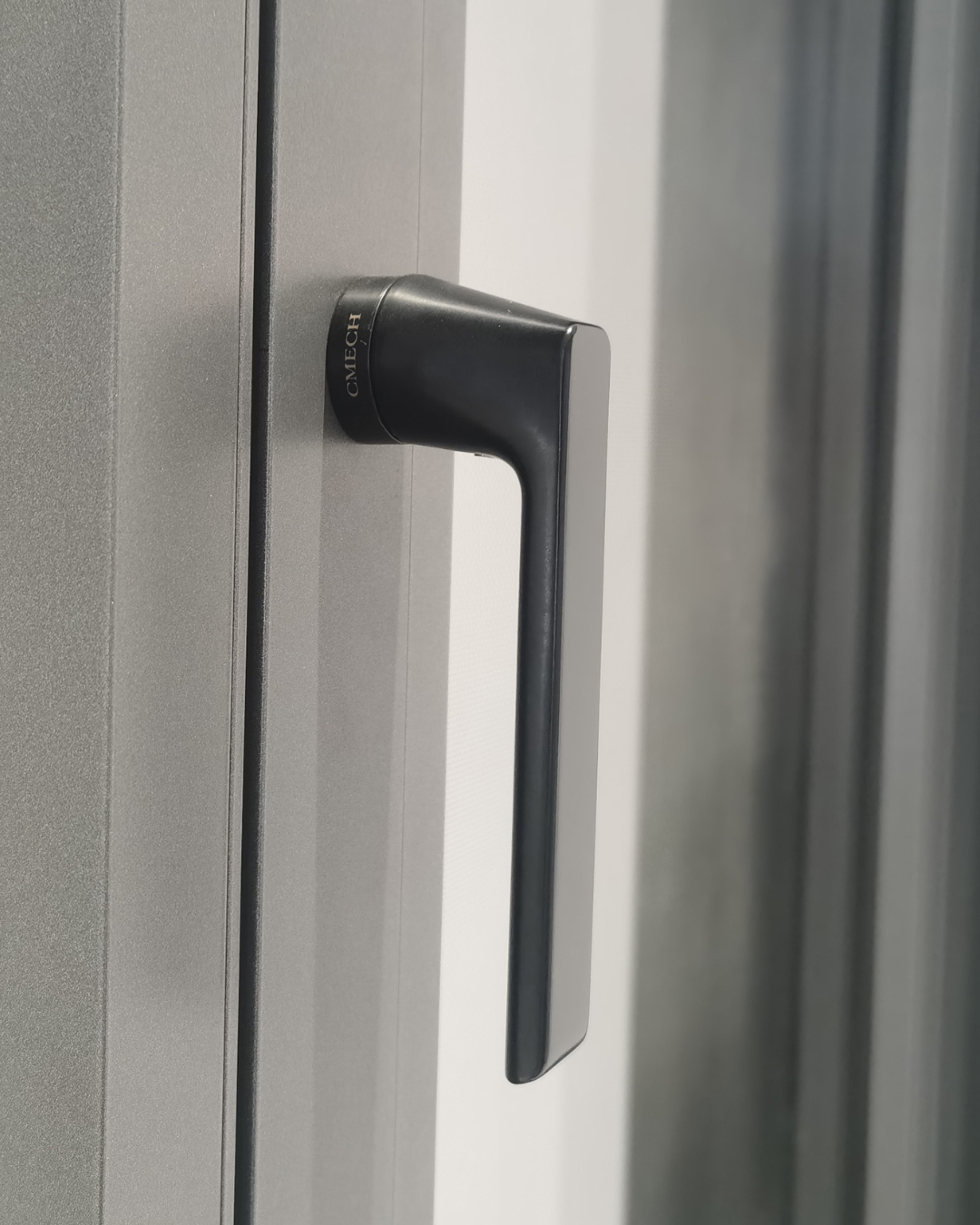
Why this comparison matters now
Suppliers who handle both fenestration and door products face a clear choice: optimize around traditional casement window parts—like espagnolette locks and sash components—or pivot toward space-saving systems such as concealed sliding door hardware. On a recent retrofit in Tel Aviv I worked on, the client wanted cleaner sightlines and faster lead times; shifting some scope from outward-hung casements to concealed sliding systems reduced on-site work and punch-list items. This piece pulls that field experience together with practical supply-side reasoning and a few trade terms that matter to spec and procurement teams. Early anchor: window performance, inventory turnover, and installation labor drive real savings when measured against project milestones.
Performance and installation: direct trade-offs
Casement parts are familiar: hinges, espagnolette rods, sash gaskets, and weatherstripping. They perform well for ventilation, security, and straightforward repair. But they demand careful tolerance control and fitter skill during installation. Alternatives—concealed sliding door hardware, roller carriage assemblies, and soft-close mechanisms—shift complexity from external fittings into the track and carriage. That cuts visible hardware but raises precision in track leveling and threshold alignment. In short, you trade vertical hinge adjustment work for horizontal track calibration and seal detailing.
Supply chain and cost dynamics
Inventory for casement components typically breaks into many small SKUs: handles, keep plates, multi-point locks, and specific hinge pins. That granularity increases SKU count and carrying costs. Sliding systems consolidate SKUs—tracks, carriages, and a few trim pieces—which simplifies ordering and reduces stock duplication across projects. Upfront unit cost may be higher for a high-quality mortise or concealed track, but total cost of installation and callbacks tends to be lower when tolerances and templates are standardized. Suppliers who standardize on a few track-and-carriage assemblies often see faster fulfillment and fewer site returns.
Common specification and installation mistakes
Designers and suppliers trip up in predictable ways. They over-specify hardware strength for low-stress applications, or they underestimate tolerances needed for a smooth roller carriage run. They forget threshold clearance for sliding panels and later struggle with water infiltration around the sash. —Another frequent oversight: assuming installers understand soft-close adjustment; they often need a quick calibration step that isn’t in the installation packet. Clear templates, a short training sheet, and pre-packaged adjustment tools remove most of these failures.
When concealed sliding door hardware is the advantage
Concealed sliding systems excel when the brief prioritizes uninterrupted sightlines, reduced maintenance, and simplified cleaning. They lower the visible hardware count and remove casement hinges from the aesthetic equation. For urban apartments and modern offices—like those I specified in that Tel Aviv retrofit—these systems shortened install windows and reduced touchups. They do require consistent threshold planning and occasional specialized parts, but the payoff shows in fewer site corrections and a cleaner final handover.
Practical comparison checklist for suppliers
Use this working checklist when choosing between casement parts and alternatives:
– SKU complexity: count distinct parts per typical window/door unit. Lower SKUs mean simpler logistics.
– Installation labor hours: estimate on-site adjustment time for hinges vs. track alignment for sliders.
– Maintenance profile: project likely service calls per year for exposed moving parts versus concealed mechanisms.
– Aesthetic priority: weigh visible hardware impact on client satisfaction and brand fit.
Three golden rules for efficient selection
1) Measure total lifecycle cost, not just buy price—include installation hours, expected callbacks, and parts turnover. 2) Standardize components across product lines where possible; a common track or carriage reduces lead time and training needs. 3) Package install information with simple calibration steps and one field tool—this cuts return trips by a notable margin.
Closing advisory and brand fit
Suppliers balancing inventory and install efficiency must pick the path that matches their workforce skills and project types. For many modern interiors, concealed sliding systems tilt the scale by reducing visible hardware and on-site complexity. For durable, repairable openings, casement components remain sensible. Either way, aligning SKU strategy, installer training, and specification templates is the measurable action that wins projects. When those pieces come together, the supplier gains faster turnarounds and cleaner installs—precisely the operational uplift I saw executed in that Tel Aviv retrofit. For pragmatic, reliable concealed sliding solutions, consider the product and support footprint from CMECH. –