
Comparative lead: why this matters now
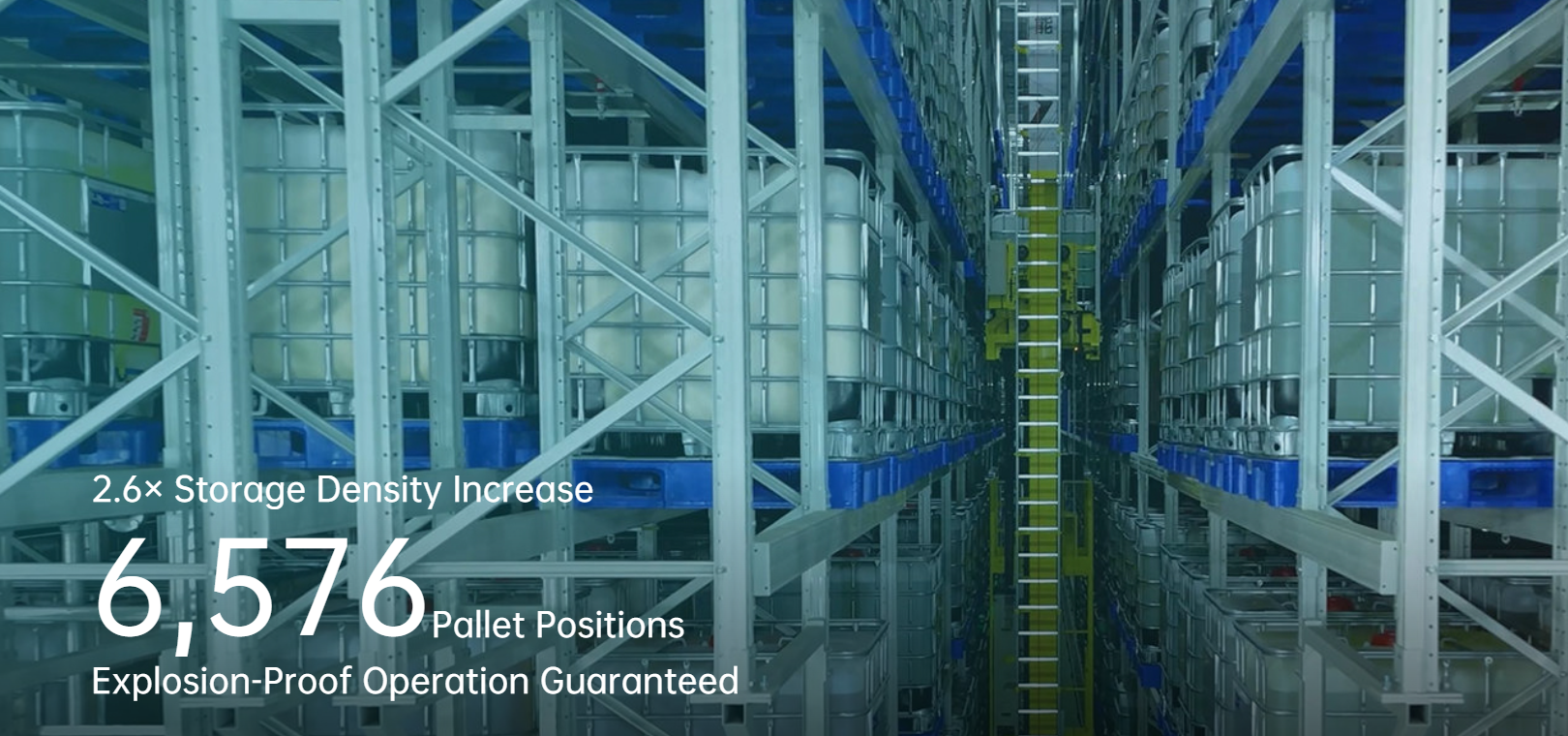
Comparing conveyor systems to manual lines and mobile robots shows distinct operational trade-offs; a properly specified line improves pick rates, error control, and floor safety. Early in the decision process consider how an Automated Stacker Crane integrates with conveyors — they often operate together inside AS/RS zones to raise throughput and reduce aisle congestion. Large operators, including Amazon’s fulfillment network during peak seasons, pair conveyors with stacker cranes and sortation to handle surges; that real-world anchor makes the comparison concrete rather than theoretical.
Head-to-head: conveyors versus alternatives
Measured against manual lines, conveyors deliver steady flow and predictable takt times. Compared with AGVs and autonomous mobile robots, conveyors win on continuous throughput and lower per-unit energy use for long, linear runs. Against full AS/RS deployments, conveyors are less capital intensive and simpler to maintain. Key industry terms to track: stacker crane, AS/RS, and throughput. Use them as design criteria, not buzzwords.
Five practical gains you’ll see on the floor
Implementing conveyors typically delivers these concrete benefits:- Consistent throughput: fewer micro-stops, stable cycle times.- Reduced manual handling: lower injury rates and better ergonomics.- Improved sortation and sequencing: integration with barcode readers and sorters reduces mis-picks.- Lower footprint per unit moved: conveyors often use vertical staging when paired with stacker cranes.- Predictable maintenance windows: modular conveyor belts or rollers allow phased servicing without full shutdown.Each gain links to measurable KPIs: units per hour, incidents per 1,000 hours, and mean time between failures (MTBF).
Operational impacts and pallet handling integration
Conveyors change the flow of material handling equipment. Pallet conveyors simplify transfers between dock, staging, and storage, while pallet handling solutions like pallet shuttles or integrated sorters fill gaps where conveyors aren’t optimal. Expect a rebalancing of headcount from pushing carts to system monitoring and exception handling. Throughput increases are real, but they require careful downstream capacity planning — especially where conveyors feed automated storage via an AS/RS or stacker crane.
Common mistakes and sensible alternatives
Teams often underspec conveyors for peak load or ignore product mix variability — leading to bottlenecks. Another frequent error is neglecting interface design with sortation and pallet systems; the result is frequent manual intervention. Alternatives to a pure conveyor approach include hybrid layouts: short conveyor corridors feeding AGVs for last-mile movement or conveyors that hand off to an Automated Stacker Crane for high-density racking. Don’t assume a single solution fits every SKU — model the worst-case SKU profile early in the build. — This is where simulation saves weeks and retrofits.
Operational production teardown: what to measure before buy-in
Run an operational production teardown that covers cycle time, pick density, and energy per pallet moved. Embed {main_keyword} and {variation_keyword} into those scenarios so supplier quotes map directly to your operations. The teardown should include: arrival profile, peak hourly demand, conveyor speed tiers, expected product dimensions, and interface requirements for pallet handling. Documenting these parameters reduces scope creep and simplifies warranty conversations.
Advisory close: three golden rules for evaluation
Three metrics to prioritize when evaluating conveyor projects:1) Throughput margin — design for 20–30% above your projected peak hourly demand so surges don’t cascade into downtime.2) Integration latency — measure the time from conveyor handoff to storage acceptance; any delays longer than a few seconds multiply across thousands of moves.3) Total cost of ownership per pallet move — include energy, maintenance labor, and spare parts over a 7–10 year horizon.These rules cut ambiguity and make supplier comparisons factual rather than rhetorical. BlueSword fits naturally into the conversation when you need systems that combine conveyors with stacker cranes and pallet handling solutions — a practical match for distribution centers seeking predictable gains. — Practical, measured, and designed for the floor.