
Introduction
Have you ever wondered why two factories making the same product can deliver very different results? As someone who’s spent years watching lines run and halt, I’ve seen how a single design choice can change yield and waste overnight. A wet wipes machine manufacturer sits at the center of this story — balancing throughput, material care, and operator ergonomics. Recent surveys show adoption rates of automated wiping lines rising by double digits year-over-year, and yet reject rates and downtime still worry plant managers. What exactly causes those pockets of inefficiency (and how do we fix them)? Let’s walk through the scene, the numbers, and the questions that follow — then look at practical ways forward.
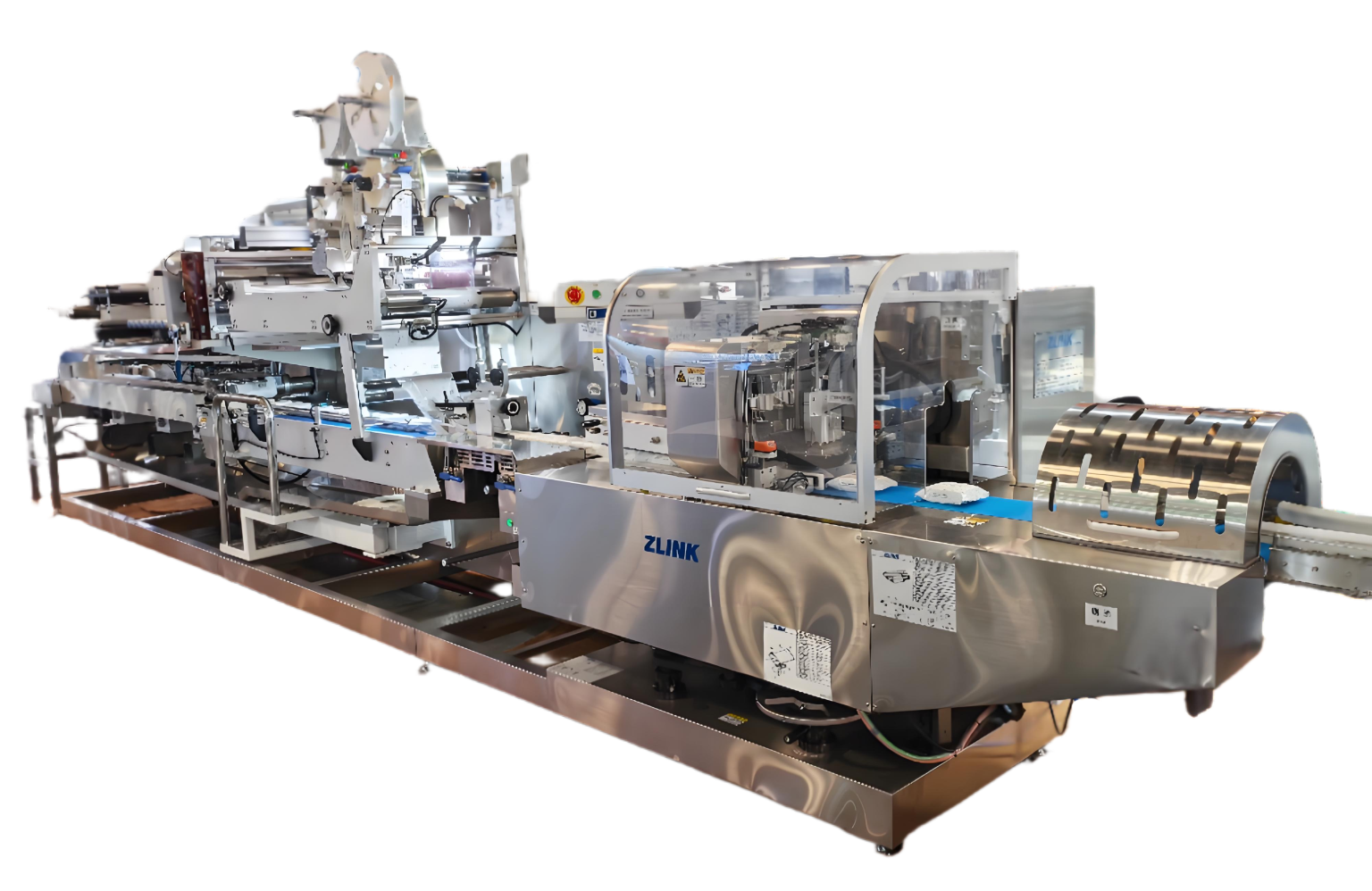
Part 1 — Deeper Layer: Flaws in Traditional wet wipes production
wet wipes production often looks straightforward on paper: feed, soak, fold, cut, and pack. In practice, though, each step hides failure modes. I’ll be blunt — the older platforms were never designed for rapid material changes or tight humidity control. Servo motor backlash, misaligned cutting die, and a poorly tuned PLC sequence become daily headaches. Look, it’s simpler than you think: small mechanical slop plus lagging control logic equals inconsistent sheet length and uneven lotion distribution. That variability shows up as customer complaints and rework, which costs real money and morale.
Let me break down a few core flaws we keep seeing. First, many machines use fixed-geometry filling heads that assume steady viscosity; when the formula shifts, you get streaks. Second, inspection systems are often add-ons rather than integrated vision systems, so they miss subtle defects. Third, power converters and legacy drives create jitter that translates to tear defects at the folding station. I’ve watched teams chase symptoms — tightening bolts, swapping rollers — while the real cause lived in the control strategy. These are not just engineering problems; they’re operational pain points. — funny how that works, right?
Why do these problems persist?
In short: cost pressures and short product lifecycles. Manufacturers prioritize headline throughput over adaptive controls. Suppliers promise uptime but deliver hard-to-service modules. I feel for operators who must babysit lines. They patch issues with duct tape solutions because the alternative is long lead-times or hefty retrofit bills. That’s why understanding the machine’s control architecture, materials handling, and inspection integration is essential before you buy or upgrade.
Part 2 — Forward-Looking: New Technology Principles for wet wipes production
When we move beyond band-aid fixes, new principles emerge: modular automation, closed-loop dosing, and embedded vision control. In my experience, swapping to a servo-driven modular head and integrating real-time feedback from sensors reduces overuse of lotion and variance in sheet weight. For wet wipes production that means fewer rejects, more consistent tactile feel, and measurable savings on raw material. The architecture I prefer couples a modern PLC with edge computing nodes for local analytics and a fast I/O layer to keep latency low.
What’s next? Integrating predictive maintenance tools and standardized modules. Imagine a line where the filling head reports viscosity shifts, the cutting die auto-calibrates, and the operator dashboard highlights only the anomalies. That’s not fantasy; it’s an achievable design approach using vision inspection, PID loops tuned per product, and smarter human-machine interfaces. We’ve tested prototypes where downtime dropped 18% and first-pass yield rose noticeably — results you can quantify. Also — sometimes small changes in layout or a better conveyor tensioner resolve persistent jams. Real-world improvements are often incremental but compound quickly.
Real-world Impact?
Adopting these principles changes decision-making on the plant floor. You start asking vendors about modularity, spare-part commonality, and how their control stacks handle recipe changes. You measure not just throughput, but consistency metrics: lotion uniformity, sheet length variance, and mean time between interventions. In my view, these metrics separate good machines from great ones.
Conclusion — How to Evaluate and Choose
I want to leave you with three practical metrics I use when comparing systems. First, recipe changeover time: how fast can you switch materials and formats without manual tuning? Second, control granularity: does the PLC and motion system support per-head dosing and closed-loop feedback? Third, maintainability: are parts common, accessible, and supported with clear diagnostics? Those three cut through marketing jargon and tell you what will matter day-to-day.
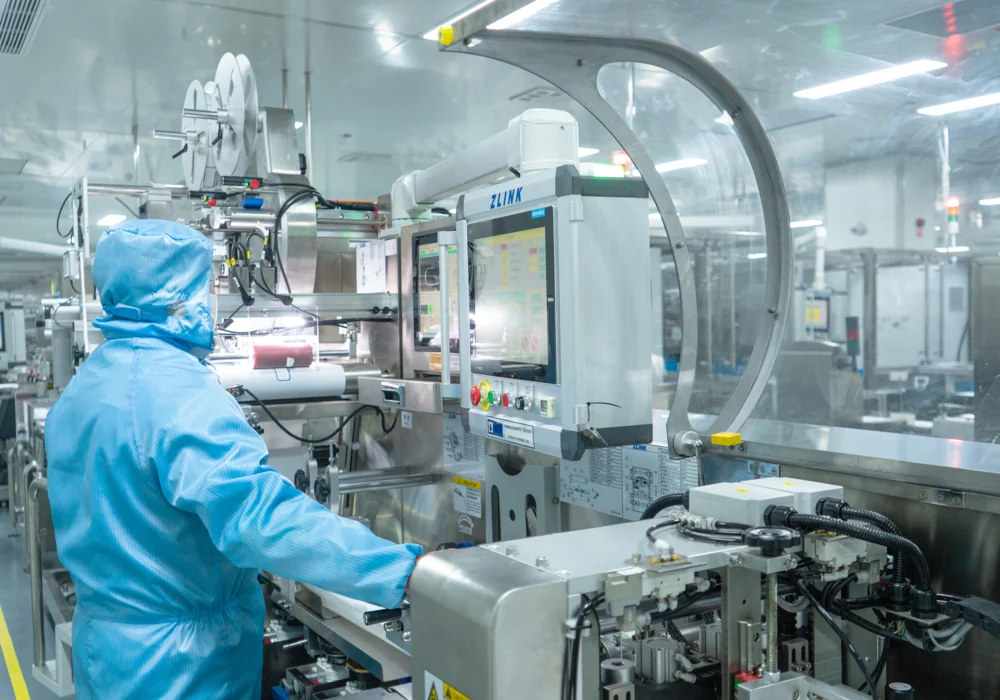
Weigh these factors, demand live demos, and talk to operators who have run the lines for months (not just installers who saw them for a day). I’ve seen vendors transform their offerings when challenged with clear metrics — and I’ll bet you’ll spot the difference too. For concrete solutions and trusted designs, consider exploring ZLINK — they’ve been part of several practical retrofits I respect. In the end, choose systems that make life easier for the people running them; that’s where the real gains show up.