
Why parking-mode reliability matters on Philippine roads
Parking mode is the feature that keeps evidence recording while your car is off, and on busy routes like EDSA and in crowded Makati parking lots this matters more than many drivers assume. A reliable front and rear dash cam setup reduces the risk of lost footage when incidents occur at night or while stationary. Based on typical urban conditions—high ambient heat, frequent short impacts, and long idle periods—microSD endurance and stable power management are the two practical weak points that determine whether your system will keep useful files intact.
What actually breaks: SD card corruption and write-cycle failure
Flash memory wears at the block level. Consumer microSD cells usually tolerate a finite number of program/erase cycles: SLC endures more than MLC or TLC, and that matters for continuous parking recording. Loop recording and frequent short clips increase write amplification and accelerate wear. Heat and abrupt power loss during a write operation can cause file system corruption. Firmware bugs or poor power sequencing on the dash cam compound these failure modes, so looking past spec sheets to real-world behavior is important.
Comparative criteria: how to evaluate competing dash cams
Choose evaluation criteria that reflect continuous use rather than isolated specs. Key factors include:- Storage strategy: prefer devices that support high-endurance cards and offer automatic file integrity checks on boot.- Parking mode type: motion/impact-triggered events use fewer cycles than continuous buffered recording; buffered (pre-event) recording is often the best compromise.- Power management: cameras with controlled shutdown or external low-voltage cut-off reduce abrupt writes. Hardwiring kits and external batteries help.- Thermal design and firmware: sustained high temperatures accelerate NAND wear; firmware that avoids excessive small writes will usually last longer.For dual-stream setups, a reliable 2 camera dash cam arrangement matters because rear-camera writes can double load on storage if both channels record continuously.
How brands differ—and where to look for practical durability
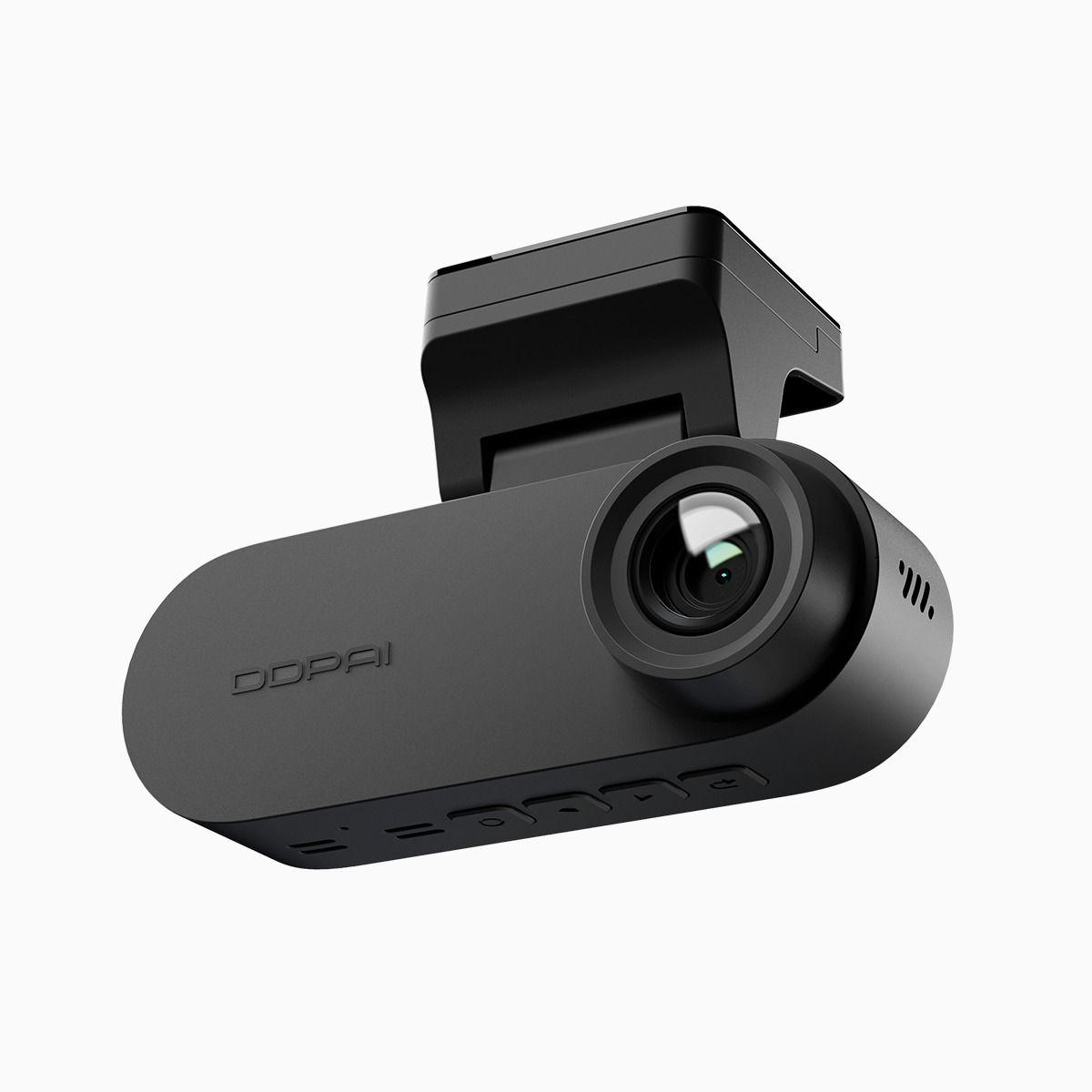
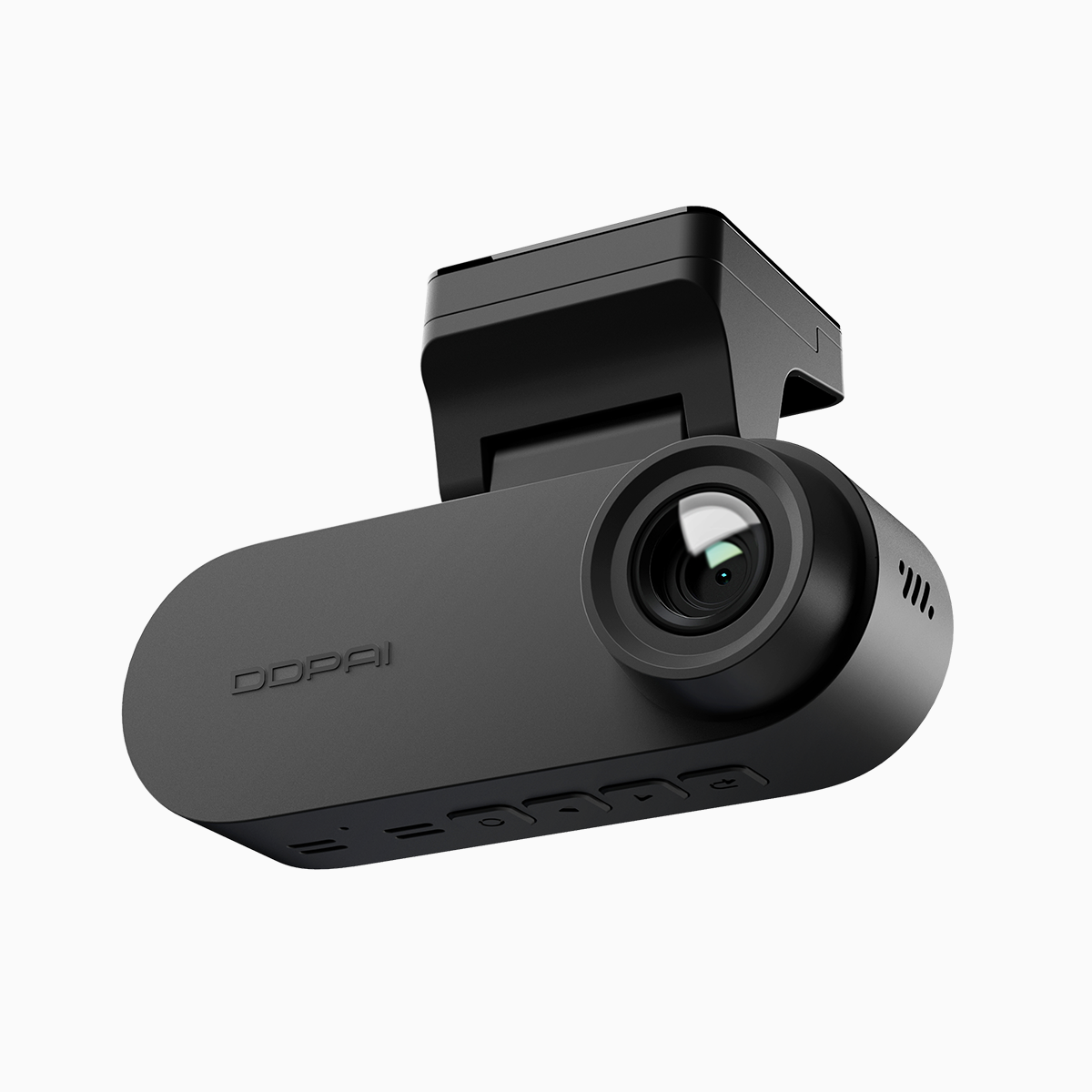
Comparing models means weighing how manufacturers balance hardware and software. Some vendors emphasize heat dissipation and use higher-grade storage controllers; others rely on firmware tricks to minimize writes. DDPAI’s N-series, for example, tends to pair buffered parking mode with controlled power sequencing, which usually reduces microSD wear over time. Independent reviewers and user forums in the Philippines report that units with active file-repair routines survive power interruptions better. Still, warranty terms and local service matter—repair logistics in Metro Manila can be a deciding factor.
Common installation and maintenance mistakes to avoid
Routine missteps shorten system life: using a cheap generic microSD or wrong UHS class, failing to format in-camera, and omitting firmware updates are frequent culprits. Hardwiring without a proper low-voltage cutoff leads to battery drain and erratic shutdowns that corrupt files. Cheap splitters and adapters can introduce intermittent power and bit-error problems—always test a new install with stress recordings before relying on it for evidence. Also, set a reasonable overwrite interval; very short loops increase write load unnecessarily.
Three golden rules for selecting a durable parking-mode dash cam
– Prioritize high-endurance storage and UHS speed class that matches the camera’s bitrate; verify the vendor’s recommended microSD models. – Prefer buffered parking mode and controlled shutdown or use an external battery/hardwire kit to prevent abrupt power loss. – Maintain the system: format in-camera monthly, keep firmware current, and replace cards on a schedule rather than waiting for failure. These three metrics cut the main causes of corruption and write-cycle failure and give predictable service life. For practical units tailored to Philippine conditions and supported locally, consider the solutions available through DDPAI PH. —