
Introduction: Why One Machine Can Shift Your Shop’s Balance
Have you ever asked why a single stalled machine can halt an entire production run? I see this scenario too often: a mid-sized shop loses 8–12% of monthly output to unexpected downtime (that’s not small money). CNC machining center manufacturers are under constant pressure to reduce that loss while improving precision and throughput. So I ask you—what really separates a dependable center from a risky purchase?
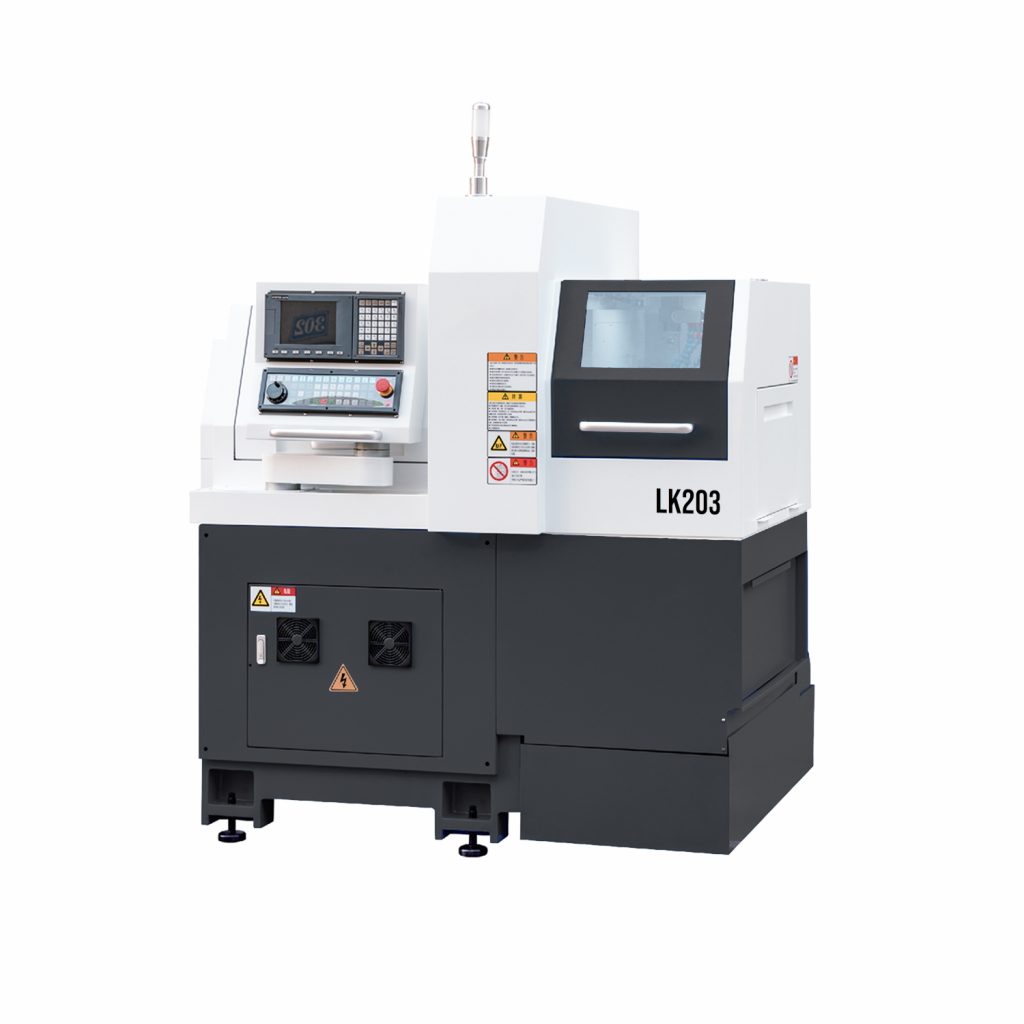
I’ll lay out a clear scene: a job shop running mixed batches, a tight deadline, and a machine that struggles with repeatability after long runs. The operators swap tools, fiddle with offsets, and hope the spindle behaves. Sound familiar? (I’ve lived that shift.) This piece moves from that everyday scenario into specific pain points and then toward practical ways forward—no fluff, just what matters next.
Part 2 — Where Traditional Solutions Miss the Mark
cnc turn mill center machine sales pitches often list cycle times and rigid body construction in the first breath. But in practice, shops run into a cluster of issues that the specs don’t reveal. I’ve tracked cases where repeatability degrades after a week of hard cuts. The culprit? Often a gap between controller tuning and real load conditions, poor thermal drift compensation, and an inadequate spindle cooling plan. These are not headline specs like horsepower—they’re system-level gaps: spindle speed response, servo motor tuning, and thermal growth on the ball screw. Look, it’s simpler than you think: you can measure and correct many of these, but only if you ask the right questions before buying.
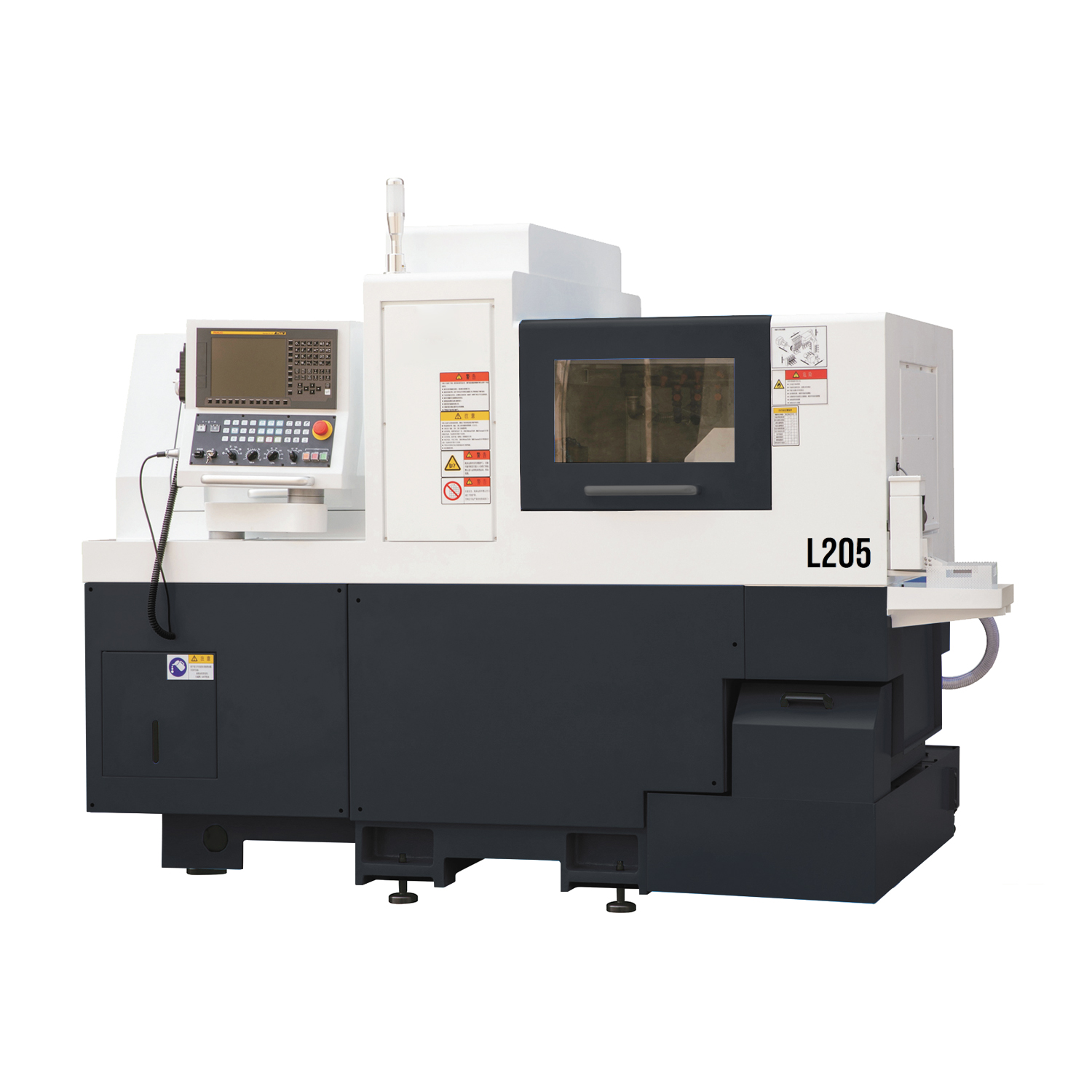
Technical detail matters. Many traditional vendors emphasize rigid frames and automatic tool changers, but they underplay integration issues: axis interpolation limits, backlash under heavy loads, and insufficient axis lubrication regimes. I’ve seen shops accept high advertised speeds and later discover the machine can’t sustain full feed rates without chatter. That leads to rework and scrap. So when manufacturers promise performance, I now press on controller model, spindle taper, and the availability of native diagnostics. Don’t be shy—demand trending logs and a basic vibration profile before you sign. — it saves time and money later.
How deep is the problem?
Short answer: deeper than spec sheets show. Vendors often omit how a machine behaves after weeks of mixed jobs. I prefer to pilot-run a machine under real loads. If the supplier can’t provide that, consider it a red flag.
Part 3 — A Forward Look: Case Example and Practical Metrics
We recently followed a small aerospace shop that upgraded to a modern multi-axis center from a trusted cnc machining center exporter. They chose a system with better onboard diagnostics, improved spindle cooling, and a controller that supported real-time adaptive feeds. The change cut their rework rate by almost half within three months. I’ll spare you vendor names—this is about the principles: adaptive control, robust thermal management, and easy access to vibration and spindle-load data. These features matter because they reduce hidden downtime and help operators act before a minor drift becomes a scrap lot. — funny how that works, right?
Looking ahead, shops should weigh not just peak speed, but sustained performance. I advise comparing real-world metrics: mean time between failures, thermal drift under typical cycle mixes, and the depth of controller diagnostics. A semi-formal test plan helps: run five representative parts, log spindle load and tool life, then compare results across candidates. This is where many procurement processes falter—they compare only quoted cycle times. In my view, that’s backward. You want reliable throughput, not an inflated top speed on paper.
What’s Next — How to Choose with Confidence
Here are three practical evaluation metrics I use when advising teams:
1) Sustained throughput under mixed loads — measure actual cycle time and tool wear over a multi-hour run. 2) Diagnostic depth and access — can you pull vibration, spindle torque, and temperature logs easily? 3) Service and upgrade path — is there clear firmware and support for controller tuning and future add-ons? These are not glamorous, but they predict long-term value.
I’ll close with a simple thought: buy the machine that proves itself under the jobs you run, not the one that looks best on paper. We’ve seen the results—better uptime, lower scrap, calmer operators. If you want a trusted partner in that process, consider the approaches and data I’ve described. For a reliable supplier reference, check Leichman.