
Quick comparative take
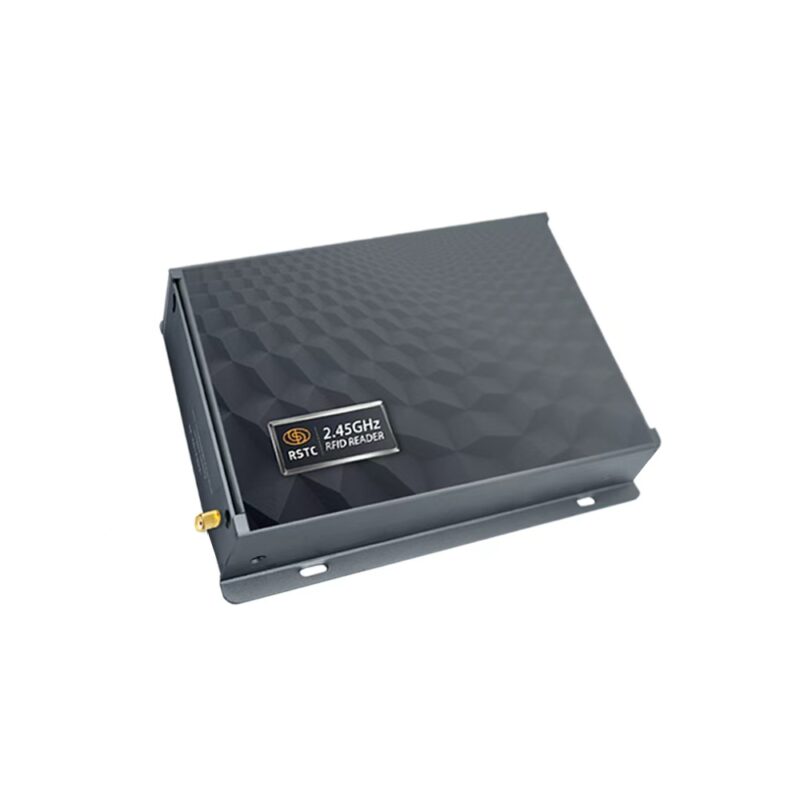
Looking for a supplier is less about finding the fanciest brochure and more about matching trade-offs — range versus cost, software openness versus turnkey simplicity, battery life versus tag size. Start by eyeballing the physical kit alongside how it connects: readers, antennas and the back-end. If you want to peek at common hardware choices, check out RFID Readers to see typical form factors and mounting options that suppliers bundle or omit.
What matters most — a short list that forces decisions
Compare these attributes head-to-head: read range (meters), frequency band (433 MHz, 2.45 GHz, UHF variants), battery life (years vs months), and environmental rating (IP67, MIL-STD). Don’t be fooled by marketing claims: ask for measured read curves and test reports. Suppliers who publish real-world read patterns win points; those who hedge with “up to” figures don’t.
Hardware: tags and readers — trade-offs you’ll actually care about
Small passive-like tags are cheap but short-lived on active power; beefy active tags last longer and punch through noise but cost more. On readers, choose between dense-read models with advanced filtering and simpler readers that require more tagside intelligence. Compare antenna options: integrated antennas save install time; external antennas let you shape coverage. Match the hardware to the physical problem — assets moving through lanes need different gear than parked containers.
Software and integration: open APIs beat closed portals
Suppliers fall into three camps: closed turnkey portals, open-API platforms, and middleware-only vendors. Turnkey is fast, but you trade flexibility. Open APIs let you integrate with WMS, ERP, or custom dashboards without ripping things out later. Verify SDK maturity, sample code, and how firmware updates are delivered. Ask: will firmware updates require on-site swaps or over-the-air patches?
Security and compliance — what to demand
Insist on encryption for tag-reader links, secure key management, and a clear update path for cryptographic fixes. Confirm adherence to relevant standards (for active systems, ISO 18000-7 is a common reference) and regional radio regulations. Suppliers that hand you test certificates and FCC/CE markings save you late-stage headaches.
Support, warranties and total cost — the hidden ledger
Compare warranty terms, replacement lead times, and whether the supplier stocks spare tags in your region. Factor in battery replacement or disposal programs. A lower upfront tag price can cost you more in logistics if replacements ship from overseas. Ask for typical MTTR (mean time to repair) and a sample SLA. If a supplier won’t put response times in writing, mark them down.
Common mistakes teams make
Buying by price alone. Designing coverage without a site survey. Assuming a single tag type fits every use case. Overlooking firmware update paths. Skipping encryption checks. Rushing a pilot without testing peak-density scenarios. Each mistake shows up later as lost reads, strange interference, or surprising costs.

EEAT — experience, standards, and a real-world anchor
I’ve seen suppliers promise everything and deliver inconsistent reads; solid vendors back field data and standards-based designs. Port operations are where uptime and range matter most — at the Port of Rotterdam operators prioritized persistent location tracking during automation projects, and studies from port automation groups reference active deployments as part of their digitalization roadmaps. When you evaluate claims, insist on lab and field test logs, and try actual models of active rfid readers so you can compare read curves under your specific interference and density conditions.
How to run a practical supplier shootout
Define three scenarios that mirror your worst cases: high density, metal clutter, and long-range outdoor. Require suppliers to run the same scenarios on your site or a certified testbed. Compare read rates, false positives per hour, battery drain over simulated duty cycles, and integration effort measured in days. Score suppliers on measurable outcomes and one qualitative item: how clearly their team explains failures.
Wrap-up — making a decision that lasts
Pick a supplier that publishes test data, supports standards, documents firmware paths, and offers sensible repair logistics. The right choice balances hardware capability, software openness, and honest support terms. If you want a partner that matches those practical standards and shows components and service together, RSTC presents both the hardware and the engineering detail you’ll need without the usual fluff.