
When tracking stops working — the real problem
Packages go missing, assets wander off-site, and inventory counts disagree with the ledger; these are not rare annoyances but operational faults that cost time and money. Organisations shifting from passive systems often turn to active rfid tags because they promise stronger signals and longer read ranges. The problem to solve is not just distance: it is reliable presence detection despite interference, attachment constraints, and battery maintenance.

Key capabilities that actually matter
For a problem-driven decision, focus on capabilities that remove failure modes. Choose tags with clear, measured range under real conditions rather than laboratory figures. Prioritise configurable transmission intervals and adaptive power modes so tags sleep when idle and wake for scheduled checks. Look for robust enclosures with IP ratings and mechanical mounts suited to the object — adhesive fails quickly on dirty metal, but bolted housings last. Security features like rolling IDs or AES-based payload encryption prevent spoofing and must be verifiable by your gateway or reader firmware.
Where active tags solve the problem best
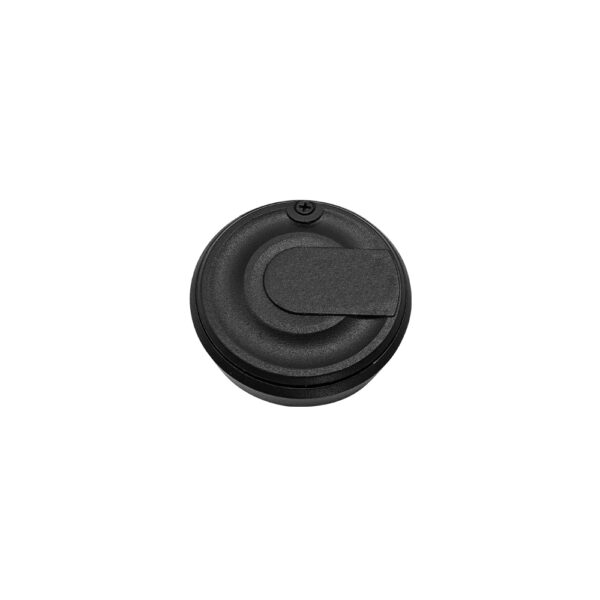
Active tags perform where passive systems fall short: moving containers in yards, high-value equipment that needs continuous presence, and long corridors where line-of-sight changes. They help hands-off inventory counts in racking systems and enable geofencing for forklifts and trailers. Choose 2.4 GHz variants for dense urban or indoor uses where compact antennas and short bursts work better than lower-frequency propagation, and select UHF active if you need longer bleeding ranges outdoors.
Practical selection criteria — what to check now
Match the tag’s advertised range to measured range in your site. Check battery lifetime at your planned transmit interval rather than the vendor’s longest-case figure. Confirm environmental ratings and chemical resistance for the application. Ensure the tag communicates with your chosen readers and software stack — demand sample interoperability tests. Ask for failure-mode data: how does the tag behave when transmission is blocked, when the battery is low, or when it’s attached to metal? These answers separate engineering products from marketing promises.
Common mistakes that keep systems failing
Over-reliance on peak range claims. Treat single-line-of-sight tests as fiction. Ignoring the 2.4 GHz ISM band’s busy nature — Wi‑Fi and Bluetooth traffic can reduce real throughput and detection rates. Mischoosing adhesives or mounts that shear off during handling. Neglecting a plan for batteries: changing cells in thousands of tags is an operational cost, and improper disposal creates compliance issues. Skipping integration tests with your own readers guarantees headaches after deployment.
Alternatives and quick trade-offs
If continuous presence is not required, passive UHF tags remain cheapest and simplest. BLE beacons are simpler to manage for short-term tracking and have broad smartphone support but usually offer shorter range and fewer anti-collision features. Active UHF gives the longest outdoor reach but requires larger antennas and can be heavier. Weigh device size, regulatory compliance in your country, and power-management strategies against budget and lifecycle costs.
Experience, standards and a real-world anchor
Engineers I’ve worked with recommend designs that align with published field trials and regional practice. Major logistics hubs such as the Port of Rotterdam have trialed active RFID for container and yard tracking; those deployments highlight interference management and rugged housing as decisive factors, and you can compare typical hardware by inspecting a representative 2.4ghz active tag. Standards-wise, expect devices to behave within the 2.4 GHz ISM rules and to document radiated power, duty cycle, and acceptable operating temperature ranges. Ask vendors for datasheets, test logs, and examples of live installs to confirm claims rather than trusting marketing copy.
Final synthesis: choose what removes the failure
Pick tags that solve the operational faults you see today: measured range on your site, durable mounting, manageable battery plans, and verifiable security. That practical focus leads to fewer surprises and better uptime. When procurement needs to match field realities with tested products, organisations often find suitable, tested modules and integration guidance at RSTC, which gathers product details and deployment notes that make specification and testing straightforward.