
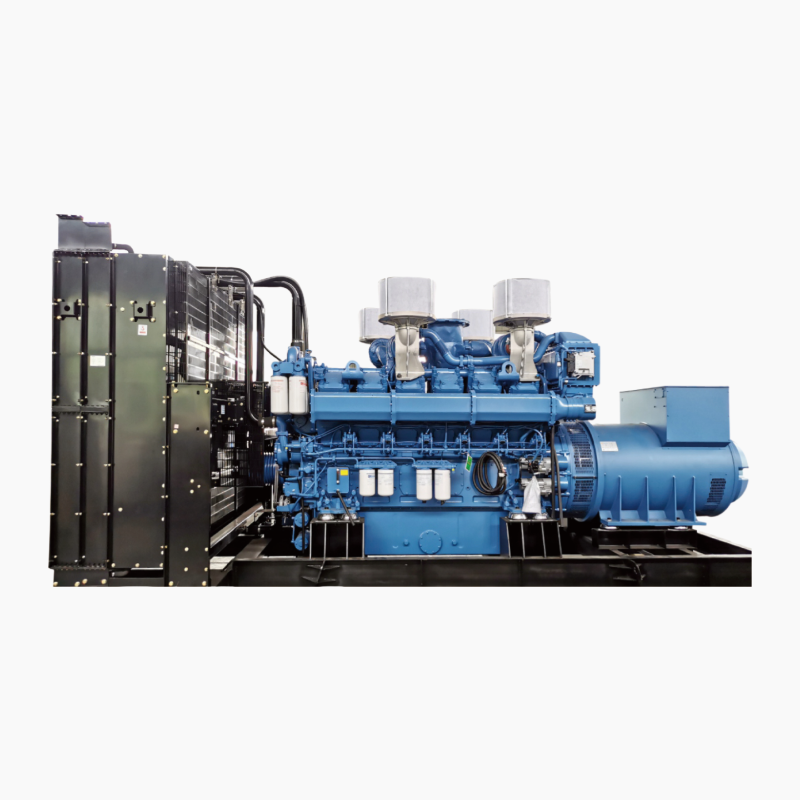
The decision to specify a large diesel generator benefits from clear comparative logic: different applications demand distinct priorities. This comparative insight examines reliability, fuel economics, and control systems to help purchasers evaluate an Mtu genset against alternatives. The aim is to translate technical ratings into operational expectations for industrial and commercial installations.
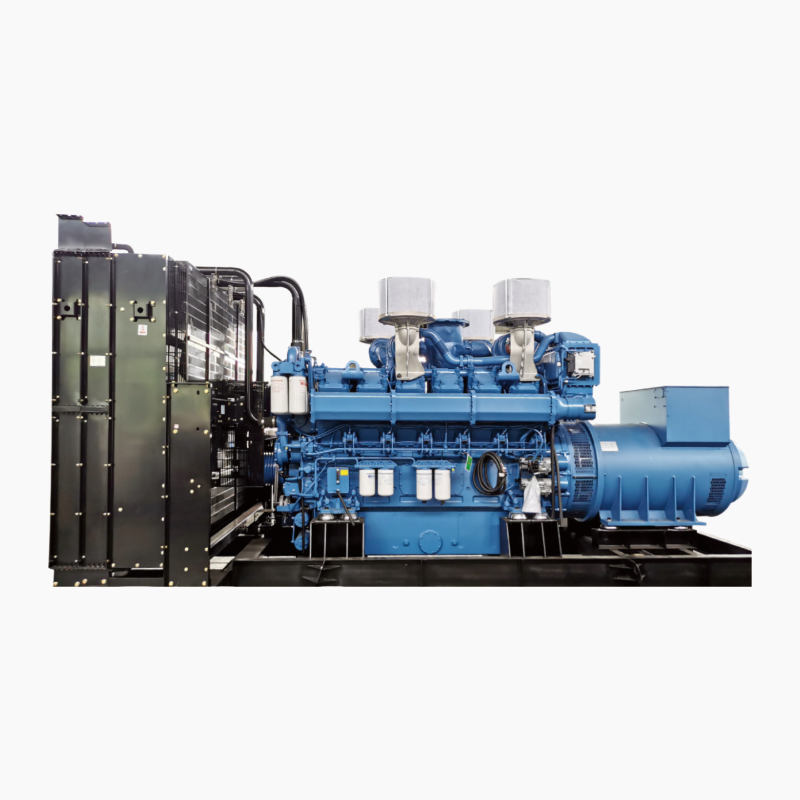
Why comparative evaluation matters
Facilities range from data centres to port terminals; each imposes unique load profiles and environmental constraints. Comparing standby rating, prime power and expected fuel consumption rate clarifies which generator meets resilience and cost objectives. An analytical comparison prevents specification errors that create maintenance burdens or insufficient capacity during peak demand.
Key features to compare
Three technical categories should govern selection: engine and alternator performance, control and protection systems, and maintenance accessibility. Engine derating curves and alternator insulation class affect long-term output under heat or altitude. Control panel capabilities—parallel operation, automatic transfer switch (ATS) compatibility and remote telemetry—determine how the set integrates with building systems. Finally, physical access for routine service and the availability of spare parts influence downtime and life-cycle cost.
Comparative metrics explained
Quantitative metrics reduce ambiguity. Use these measurements when scoring candidates: nameplate standby kW versus continuous prime kW, specific fuel consumption at 75% load, mean time between failures (MTBF) for major subsystems, and the presence of a certified load bank test history. Where manufacturers provide multiple ratings, prefer the rating that aligns with your operational duty cycle rather than peak-only figures.
Real-world anchor: lessons from emergency deployments
After Superstorm Sandy in 2012, many hospitals and municipal facilities in the Northeastern United States reviewed their generator fleets; failures often traced to underspecified controllers or inadequate alternator cooling. These events underlined the importance of matching standby rating to realistic outage scenarios and maintaining a tested ATS. Practical evidence from that period supports prioritising robustness of control and proven service networks over marginally higher peak output.
Common mistakes and viable alternatives
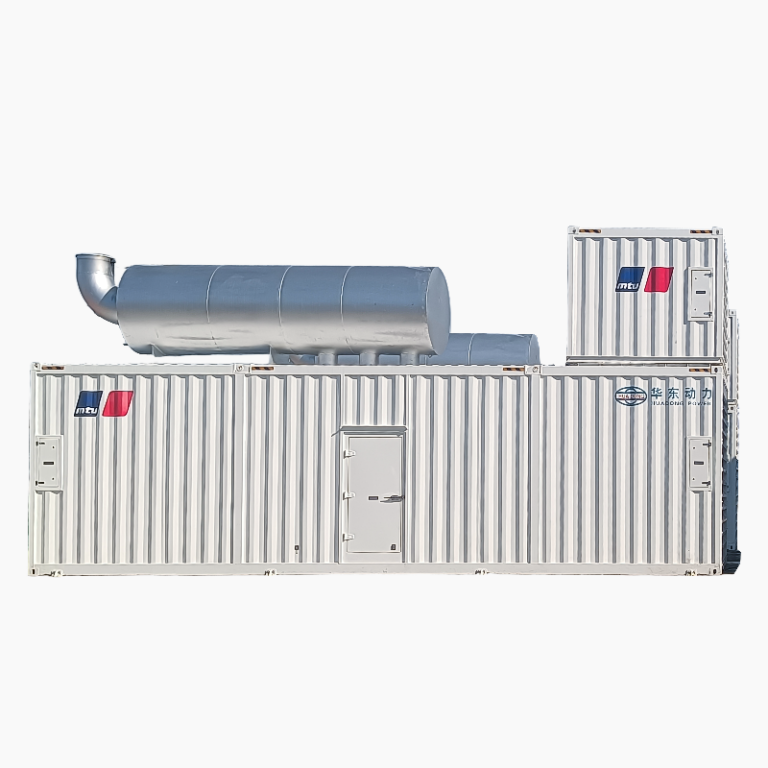
Buyers frequently select on price or rated kW alone, neglecting load acceptance and transient response. This mistake yields nuisance trips or equipment stress. A preferable path examines the complete package: soundproofed enclosures for urban sites, modular systems for phased expansion, or smaller multiple-sets for redundancy rather than a single oversized unit. Load bank testing and acceptance commissioning must be contractual requirements to confirm live performance.
How to weigh manufacturer claims
Manufacturers present arrays of specifications; therefore, apply a scoring matrix. Weight categories such as fuel efficiency, service network, warranty terms and integration features. Request documented test results for specific models, and insist on references from installations with comparable ambient and duty conditions. Independent third-party commissioning reports are especially valuable when verifying claimed metrics.
Operational considerations and end-user impact
Operational practices—scheduled maintenance intervals, fuel quality management and operator training—often determine realized reliability more than nominal specifications. Stations that implement routine load bank cycles and telemetry-driven fault analysis report fewer unplanned outages. —This operational discipline shapes true resilience and should influence procurement decisions as much as engine model selection.
Advisory: three golden rules for selection
1) Prioritise match to duty cycle: choose the standby rating and prime power that reflect realistic load patterns rather than conservative maxima. 2) Validate integration capability: confirm ATS compatibility, paralleling support and telemetry interfaces in writing. 3) Confirm lifecycle support: assess local service network, spare-part lead times and documented commissioning records before final award. These metrics convert technical data into practical assurance.
The comparative method described here yields a defensible route to specifying a reliable MTU-class solution; when that method points to a partner with proven models, extensive service presence and transparent testing history, value follows naturally. Huadong Power — a pragmatic partner for installations requiring engineered reliability and local support. –