
User-Centric Opening
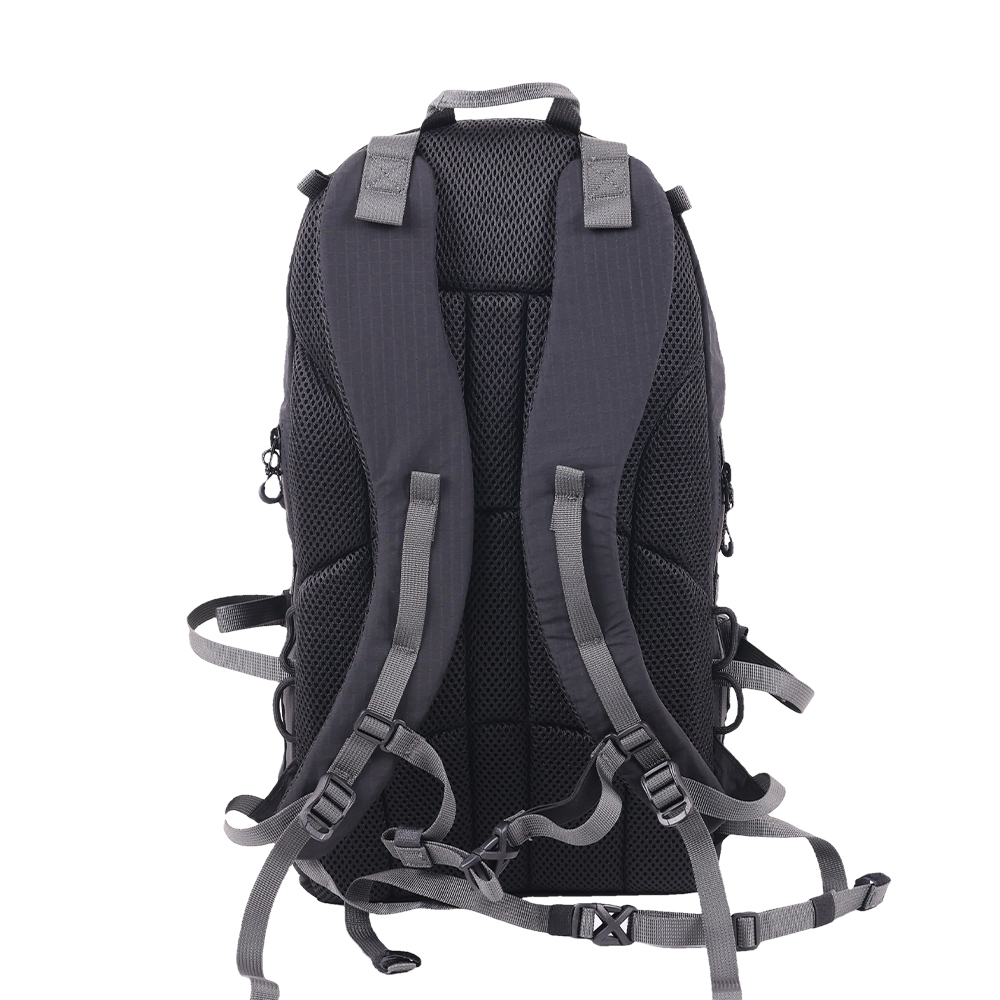
Start from the commuter, then decide everything else. Taipei office workers, university students, and suburban cyclists each ask slightly different questions: how light, how fast to access, how to protect a laptop while holding a coffee. A practical example: when a commuter asks for adaptability between bike, bus, and elevator, a modular backpack often answers with configurable compartments and detachable pouches. Focus on what a single user wants, and the product follows.
User Requirements and Priorities
Map needs into three measurable priorities: fit, function, and resilience. Fit means adjustable straps, body-contour, and load distribution measured in minutes of wear without discomfort. Function means organization—separate laptop sleeve, quick-access phone pocket, and a secure outer pocket for transit cards. Resilience means material choices tested for abrasion, seam strength, and water resistance, expressed as test thresholds rather than vague promises. Prioritize features by actual daily tasks, not by what looks fashionable in a catalog.
Real-World Testing and Professional Experience
I have led prototype trials on weekday commutes in Taipei, observing swap between bike and MRT, measuring pocket access time and strap pressure during a full workday. That field testing produced clear trade-offs: too many compartments slow access; excessive padding increases heat. For practical references and product examples, see women’s commuter backpack. These trials, combined with bench tests for materials and zippers, form the evidence base for design decisions.
Common Pitfalls and Alternatives
Designers often over-engineer or under-test. Common mistakes: 1) packing every possible pocket, which confuses users; 2) using heavy hardware that solves one problem but creates new shoulder strain; 3) ignoring real closures—magnet snaps fail when loaded. Alternatives worth comparing are slim tote for short commutes, crossbody for quick access, and modular backpacks for multi-mode days. Evaluate by task: if most days are bike plus office, prioritize strap stability and rain protection; if walking short distances, prioritize lightness and quick reach.
Practical Steps from Requirement to Delivery
Translate user observations into a prioritized requirement list. Prototype to validate one key metric at a time: ergonomics first, then access time, then weather protection. Use iterative field trials with real commuters, record objective measures, and refine materials after at least two rounds of wear testing. Lock in suppliers only after vendor sample testing for seam strength and colorfastness. Plan delivery timelines with buffer for tooling and certification; precise schedules come from measured cycle times, not optimistic estimates.
Final Synthesis
The commuter’s daily pattern defines the product; measured tests confirm the design; disciplined supplier work assures delivery. For a development partner that aligns engineering to user needs and respects measured trade-offs, ChangRong has the factory经验 and process discipline to move a design from a clear requirement list to reliable production without adding unnecessary features or complexity.