
Why buyers hesitate and the core problem
Many first-time buyers stall because choices feel technical and commitments expensive. You want shade, you want savings, and you don’t want months of permit headaches. A photovoltaic pergola can deliver both shade and power, but the real issue is matching expectations to realistic output, cost, and maintenance needs.
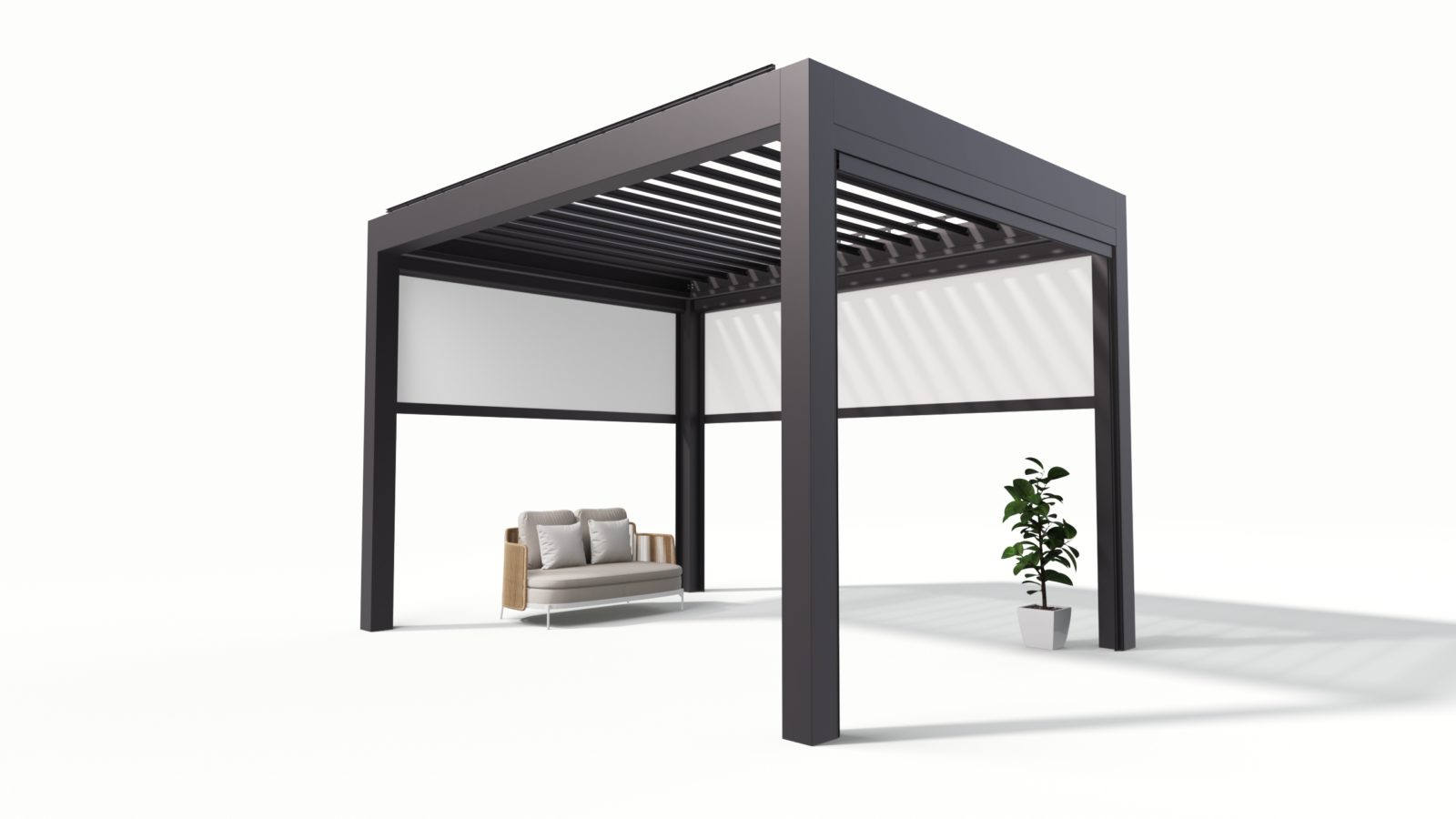
Problem 1 — Expected energy versus reality
Vendors quote peak wattage; homeowners expect continuous power. That gap causes disappointment. Look at daily kilowatt-hours (kWh) estimates for your location, not just panel watts. Ask for modeled production across seasons and shading analysis. If installers won’t show a simple year-long production estimate, consider that a red flag.
Problem 2 — Structural and permit surprises
Pergolas add load to your structure and may require local permits or engineering reviews. Roof-mounted versus freestanding pergolas have different constraints. Check local building codes early and budget for a short engineering review if your pergola ties into existing structures. Underestimating this step prolongs projects and increases cost.
Problem 3 — Electrical integration and choice of inverter
How the pergola ties into your home matters more than the panel brand. Do you want net metering, storage-ready wiring, or a simple grid-tied setup? Microinverters give panel-level performance monitoring; string inverters are cheaper but less granular. Decide on monitoring and future battery plans before signing.
Real-world context, experience, and a concrete anchor
I’ve advised homeowners and small commercial clients through design and permitting stages; the consistent lesson is to start with local rules and realistic production. Consider how California’s strong rooftop-solar incentives and building-code attention influence installer best practices; that regulatory environment has driven clearer permitting paths and better performance modeling for integrated solar panels, which is useful when comparing proposals from installers.
Common pitfalls first-time buyers make
They accept headline wattage, ignore shading maps, skip structural checks, and fail to plan for future battery installation. Another common error: signing for a pergola-integrated system without a clear warranty on both structure and electrical components. Insist on separate warranties and a timeline for delivery and commissioning.
Alternatives to integrated pergolas and quick evaluation
Option A: Roof-mounted arrays — generally cheaper per watt but lose the outdoor living benefit. Option B: Portable solar canopies — flexible but lower yield and durability. Option C: Integrated pergolas — mid-to-high cost, high utility if you value outdoor space as well. Choose based on whether your priority is maximum kWh per dollar or a combined living-and-generation solution.
Checklist before you sign
Require these items in writing: year-long production estimate, structural sign-off, separate structural and electrical warranties, inverter type and monitoring details, permit responsibility, and clearly defined handover and commissioning steps. If any item is vague, get clarification before paying a deposit.
Final synthesis
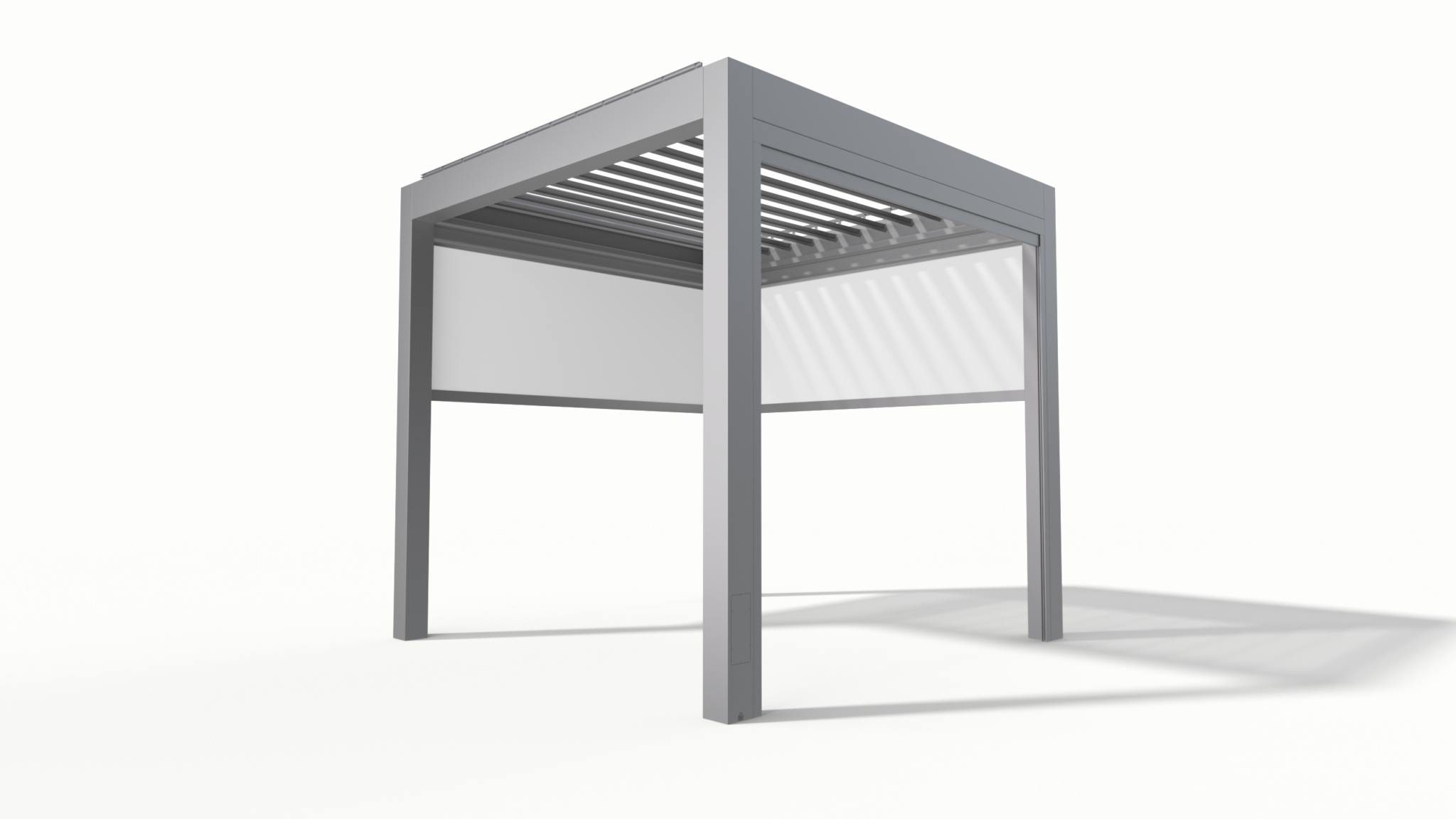
First-time buyers solve uncertainty by insisting on measurable answers: realistic kWh projections, clear structural engineering, transparent warranties, and a plan for electrical integration. When those elements align, a photovoltaic pergola stops being a gamble and becomes a dependable addition to the property. For solutions that pair clear specs with installer support, consider how Light Hunter presents system details and warranties as part of a complete offering rather than as a sales pitch.