
Range is the decisive variable
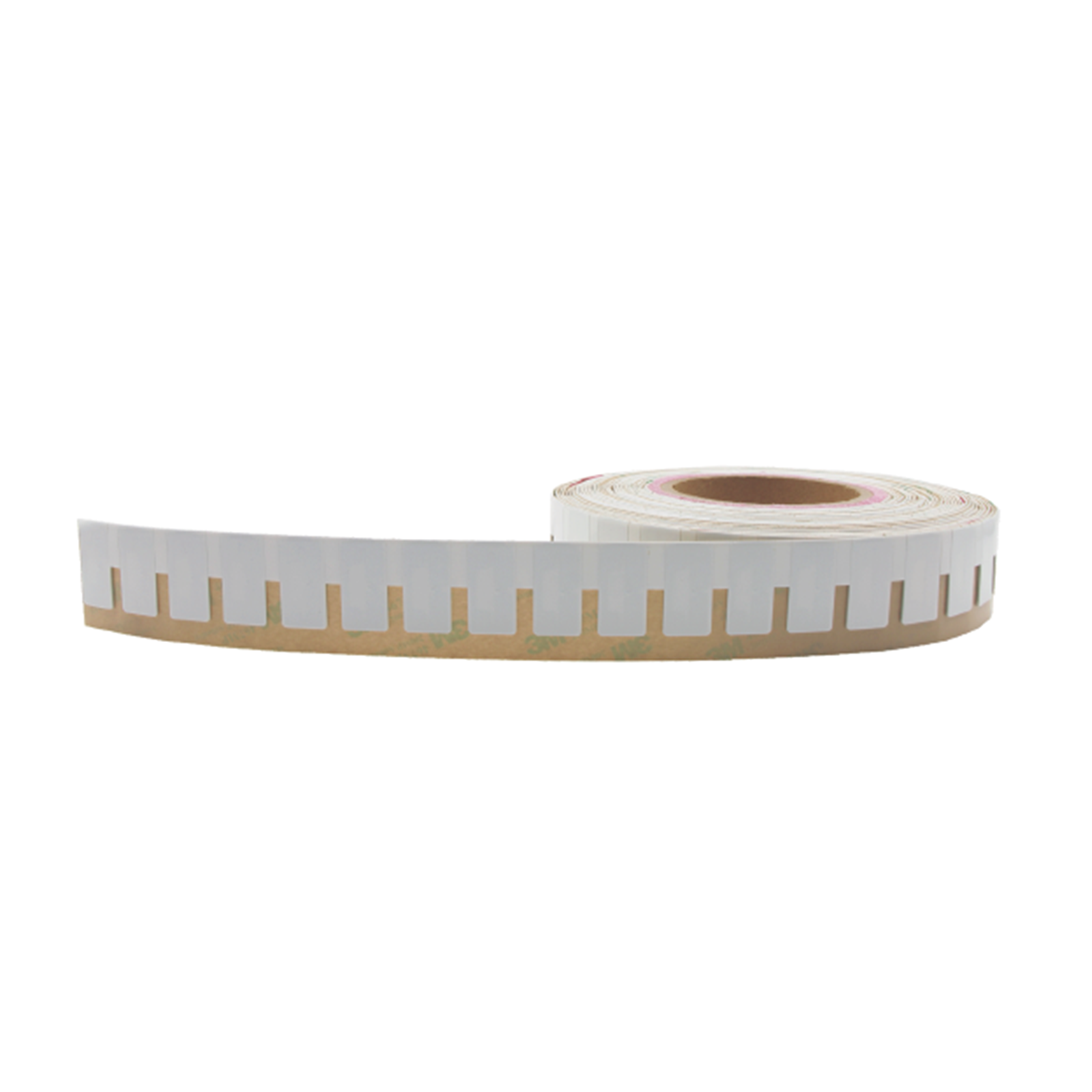
Range determines whether a live-tracking deployment solves problems or creates new ones: too short and assets disappear between reads; too long and you swallow noise, interference, and cost. When you compare tags, treat the advertised range as a starting claim, not a guarantee. Look at mounting options, antenna types, and form factors — even a thin sticker on metal changes performance. If you already use barcode labels or RFID Labels, don’t assume the same placement rules carry over to active tags.
Evidence and practical authority
Deployments and peer-reviewed reports matter. Field results reported from large logistics hubs such as the Port of Los Angeles show that environment and density shift effective range far more than tag brand. Combine that public evidence with hands-on trials: run a tagged-asset walk test, log read rates, and compare results to manufacturer specs. Real-world practice and published evaluations together form reliable guidance for selecting asset tracking tags.
Key variables you must compare
Don’t argue about range alone. Compare these concrete factors side-by-side: operating frequency (higher frequency can mean more sensitivity to obstacles), transmit power (doubles of power don’t double range), antenna gain and polarization, battery capacity and replacement intervals, tag size and mounting method, and reader sensitivity. Also verify regulatory limits for your country — a tag legal in one market may be restricted in another.
Short, mid, long ranges — when each wins
Short-range (1–10 m): best for dense indoor tracking and precise zone control. You get minimal cross-talk and lower power draw. Mid-range (10–150 m): the pragmatic compromise for yard-level tracking where you need posture but not global reach. Long-range (150–500+ m): useful outdoors across sparse sites or for perimeter alerts, but expect more interference and higher battery costs. Pick by the use case: inventory audits lean short, yard management leans mid, vehicle or remote asset monitoring leans long.
Trade-offs that typically get ignored
Choosing the longest-read tag isn’t neutral. Longer range increases unintended reads, accelerates battery drain, and forces more complex filtering in software. Placing tags on metal without a proper spacer kills reads. Assuming line-of-sight is available is reckless. Skipping a site survey because “spec sheets say 300 m” is the most common and costly mistake.
Alternatives and sensible combinations
Active RFID isn’t the only tool. Passive UHF tags are cheaper per item and work well for close-proximity bulk reads. Bluetooth Low Energy (BLE) beacons offer granular indoor positioning at lower cost and easily integrate with smartphones. For remote, sparse assets, LoRa or GPS may be better. Often the best solution mixes technologies: passive for inventory, active for moving assets, and BLE for worker interactions.
Practical checklist before you decide
Run these steps: 1) Define the required read distance and acceptable false-read rate. 2) Map obstacles and density in the deployment area. 3) Test at least two tag models in-situ, mounted the way they’ll be deployed. 4) Measure battery life under your expected reporting intervals. 5) Confirm reader compatibility and firmware update policy. 6) Budget for calibration and periodic retesting.
Final synthesis
Comparisons must push beyond raw meters and weigh environment, placement, and lifecycle cost. When you follow the checklist and compare side-by-side in real settings, you get a pragmatic answer rather than vendor spin. For teams balancing product breadth and onsite testing support, working with established specialists such as RSTC often yields clearer choices and fewer surprises down the line.