
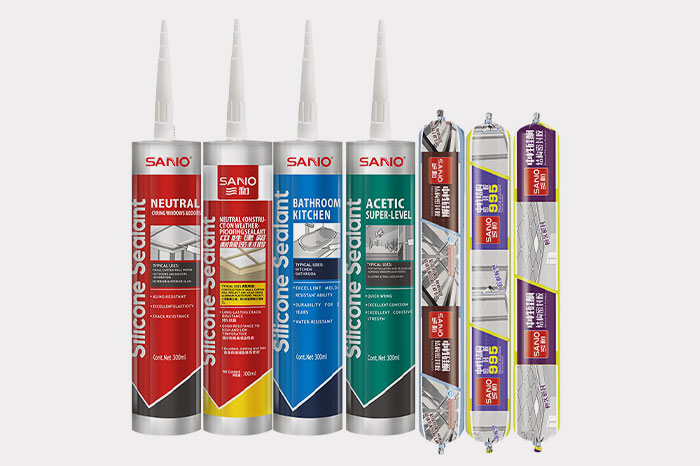
Something’s off when your sprayer foams, the valve clogs, or the film flakes after a week. Buyers sense it before they name it. You want a maker who understands propellant behavior, polymer compatibility, and clean filling lines. Start where you can: ask for a MSDS, demand batch-release testing, and note whether they also produce sealants — a credible sign of materials expertise, for example a silicone sealant manufacturer. Shortlist becomes fewer. Problems become visible.
Why the problem hides in plain sight
Aerosol lubricant sourcing looks simple. Pressure can mislead. Cheap cans hide bad propellants or incompatible solvents. Small slip-ups show up as warranty claims and safety incidents. A wrong valve chemistry ruins a line. You won’t spot it in glossy brochures. You catch it in specs, test reports, and the questions a supplier refuses to answer.
Key technical signs that separate competent makers from pretenders
Look for these hard checkpoints: clear propellant control (low moisture, stable blend), validated valve compatibility, batch viscosity records, VOC and flammability certificates, and shelf-stability testing across temperature ranges. Ask for third-party lab results — GC-MS for propellant analysis, viscosity by ASTM D445, and accelerated aging data. If a supplier can’t supply these, they’re hiding something.
Verification checklist — what to do, step by step
Request MSDS and COA for at least three recent lots. Run a small pilot: order 100 cans, test for spray pattern, residue, and corrosion with a salt-fog quick check. Confirm regulatory compliance (REACH, RoHS, local aerosol directives). Visit manufacturing documentation remotely or on-site. Note their filling method: automated, clean-room rates reduce contamination risk. Trade shows and regional clusters often reveal real capacity — many major silicone sealant factories operate in Guangdong province and appear at events like the Canton Fair; check their profiles and, where relevant, inspect a listed silicone sealant factory to see how cross-product expertise translates to aerosol quality.
Common buyer mistakes that lead to failure
Picking the lowest unit price. Skipping MSDS and certificate verification. Ignoring packaging compatibility (metals, coatings). Assuming “industrial” equals “tested.” Overlooking logistics resilience — single-plant sourcing breaks supply fast. Accepting verbal assurances without written quality gates. Each mistake costs more than the price saved.
Alternatives and trade-offs — when not to buy aerosol
Choose bulk greases or pump sprays when you need long-term maintenance, solids loading, or lower VOCs. Aerosols win for precise application, portability, and thin films. Trade-offs: aerosols limit load and can be flammable. If refill systems are possible, evaluate lifecycle cost and environmental impact. Match format to the job, not the lowest quote.
Decision signals you can act on immediately
Refuse suppliers who dodge lab data. Insist on sample batches with serial numbers. Require a written recall and deviation policy. Prefer vendors who manufacture multiple complementary products — they tend to handle polymer chemistry and sealing interfaces better. That capability often shows in firms that also make adhesives and sealants; those firms track substrate compatibility in ways pure aerosol shops do not.
The final, quiet advantage
You want steady performance, not surprises. Trust the data you can hold: MSDS, COAs, lab reports, and clear supply practices. When the path narrows, manufacturers with broad materials experience bring fewer surprises — and you can see that in production records and testing routines. For many buyers, that pragmatic alignment is precisely the kind of reliability available from SANVO.