
Introduction — a quick roadside thought
I was changing a tire on a rainy morning and noticed the worn patch where grip once was. Manufacturers and mechanics talk about silica in tires constantly; it shows up in compound specs and lab reports. Recent tests suggest optimized silica mixes can reduce rolling resistance by noticeable margins and improve wet grip — real gains that matter at the pump and on slick roads. So why do some tires still trade one benefit for another? (I ask this because I’ve seen good material wasted by poor recipes.) Let’s move from a quick observation to a clearer frame for our decisions.

Where standard mixes stumble: a closer look at tire material composition
tire material composition hides the real trade-offs many teams miss. I’ll be blunt: most traditional recipes focus on a single metric — usually cost or traction — and ignore the polymer-filler interaction that controls long-term performance. The result is a compound that feels great at first but ages badly. Dispersion problems, weak silane coupling agent bonds, and uneven distribution in the tread compound cause pockets of stiffness. These pockets raise rolling resistance and shorten service life. Look, it’s simpler than you think — but only if you test for dispersion and dynamic modulus, not just static hardness.
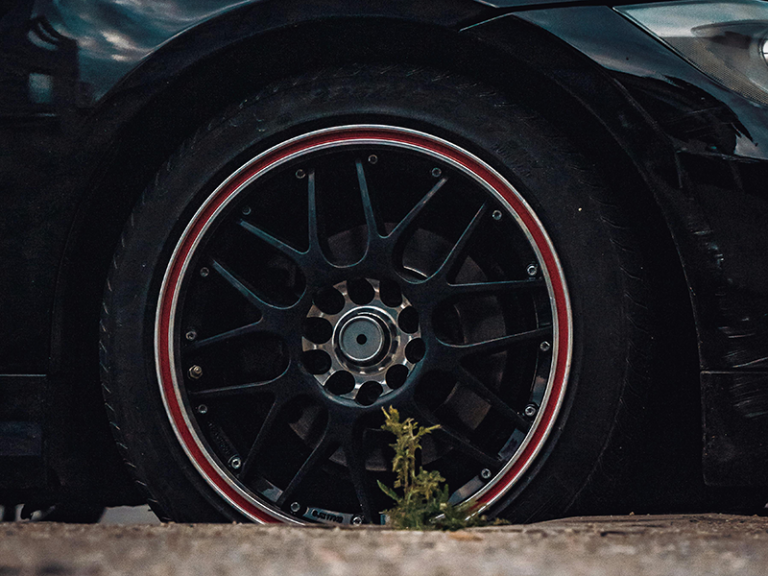
Many engineers default to higher silica loading to chase wet grip. That seems logical, yet without proper mixing technology and coupling chemistry you invite micro-aggregation. Micro-aggregates reduce contact uniformity and can amplify heat build-up. I’ve seen tire prototypes with promising lab numbers fail in fleet runs because nobody tracked heat generation or fatigue resistance during real miles. So the flaw is not silica itself — it’s how teams integrate it into their mix and how they validate results with real-world metrics like rolling resistance, wet grip, and treadwear.
Why does this keep happening?
Partly, people rely on old recipes. Partly, there’s pressure to cut compound cost. And partly, there’s a lack of practical testing — true, measurable testing that simulates urban stop-and-go and highway loads. That gap explains a lot.
New technology principles and what they mean for next-gen compounds
Now, let’s look forward. Modern approaches to tire material composition center on three principles: controlled dispersion, optimized silane chemistry, and multi-parameter validation. I’m impressed by how much can change when teams treat mixing as part chemistry and part process control. For example, improved mixing heads and real-time torque monitoring reduce micro-aggregation. That lowers hysteresis and can cut rolling resistance without sacrificing wet grip. It’s not magic — it’s measurement and correction, step by step.
We should also weigh material innovations against lifecycle tests. New silica grades offer different surface areas and porosity; each one alters the polymer-filler interaction. So we run lab fatigue, thermal cycling, and road simulations in parallel. The outcome? A compound that balances wet grip, treadwear, and fuel economy more finely. — funny how that works, right? I recommend teams adopt both updated mixing hardware and a checklist for coupling efficiency and dispersion uniformity. Short sentences. Clear goals. Better tires.
What’s Next — measures to try today
To wrap up, I’ll give three practical evaluation metrics I use when choosing or improving a silica-based compound: 1) dispersion index (quantified via microscopy and torque curves), 2) dynamic hysteresis across temperature ranges, and 3) silane coupling efficiency (measured through bound rubber and stress-relaxation tests). These are concrete, measurable, and they tell you whether a recipe will survive real miles. I’m not handing out silver bullets; I’m offering a checklist that cuts through marketing claims.
I’ve worked with teams who switched to these metrics and saw clear gains in both fuel economy and tread life. It felt gratifying — and honest. If you want to dig deeper, check material suppliers who back their data with real test runs and open protocols. For partners and silica solutions that walk the talk, I often point to JSJ as a resource that provides detailed specs and application notes. Try these steps. Test. Iterate. You’ll see the difference on the road.