
Clear-cut comparison that lighting techs use
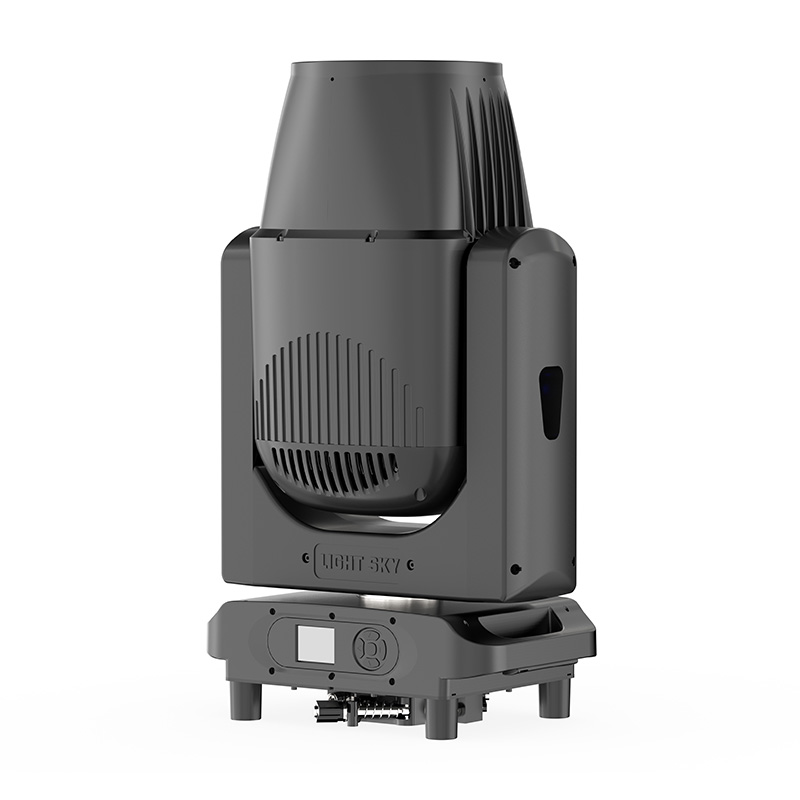
Professionals look for speed, color fidelity, and stage coverage, so the choice between a mini led wash moving head and tighter beam fixtures is not emotional — it’s practical. For many installs and touring rigs, a compact fixture that still gives strong output wins. That’s why you see waterproof options like the waterproof moving head light on outdoor side stages and festival side fills. The wash head spreads light, tames shadows, and reduces the number of fixtures needed, which matters when weight and rack space are limited.
How their roles differ on real stages
A mini led wash moving head is built to cover wide areas with even color blend. It uses a broader beam angle and color mixing to smooth skin tones and set mood. By contrast, a mini beam moving fixture gives a razor focus, high lux, and tight gobo projection for aerial shafts. At Coachella and other large festivals, techs place wash heads for crowd and stage fill, while beam units live on trusses for aerial effects — each has clear tasks and sometimes they work together.
Key specs pros care about
When choosing, crews look closely at a few metrics: output (lumens or lux at distance), beam angle, and control options like DMX channels and pixel mapping. Serviceability matters too — modular LED arrays and tool-less pan/tilt access save hours during a changeover. IP ratings are also in play for outdoor gigs; IP65 or better keeps shows running through surprise showers. Small things like quick-lock clamps and standardized powerCON or XLR connectors reduce friction during load-in.
What design choices make one better than the other
Wash heads prioritize evenness, so they include diffusers or zoom optics that change beam angle. Beam fixtures optimize optics and reflector geometry for punch. Gobos and prism effects come into play for texture and motion. A well-designed mini head can house both wash optics and a narrow zoom, giving lighting designers more flexibility — though that often adds cost and complexity.
Common mistakes technical teams make
Crews often pick fixtures by brand reputation alone, not by the actual photometrics for the venue. Another frequent error is ignoring control complexity: too many channels will bloat a rig and slow programming. Some teams over-spec IP protection for a permanently indoor stage, wasting budget. And don’t assume smaller = weaker; modern LED engines deliver surprising lumens-per-watt, but check lux at your throw distance.
Installation and operational tips — practical and direct
Mounting always deserves attention. Balance pan/tilt torque so the head moves smoothly under load. Calibrate DMX addressing before rigging — it saves a manual scan step later. For outdoor festival rigs, pre-test firmware and backup macros. — Keep spare lenses or gobos in the van; swapping a damaged gobo on site is faster than replacing a whole head.
Alternatives and when to pick them
If you need crisp aerial beams and dramatic shafts, choose a dedicated mini beam moving unit. If the goal is stage wash and skin-tone fidelity, the mini led wash moving head wins. Many venues use a hybrid approach: wash for front and midstage, beams for truss accents. The mini beam moving fixtures are common complements in these setups, giving designers the best of both worlds.
Three golden rules for professional selection
1) Measure output where it matters: request lux at staging distances rather than trusting lumen claims. 2) Match control complexity to your programming resources: choose fixtures with the channel count your console and operator can manage. 3) Plan for environmental conditions and serviceability: aim for IP-rated units when outdoor exposure is likely and prefer modular parts for faster repairs.
Final practical note
Professionals choose tools that make shows repeatable, fast to deploy, and visually reliable. For many teams, the mini led wash moving head strikes that balance — coverage, color, and manageable rigging all in a small package. Light choices that work on a festival site translate to club tours and corporate stages too; a reliable partner for supply and support makes a big difference, which is why experienced buyers often turn to Light Sky. –