
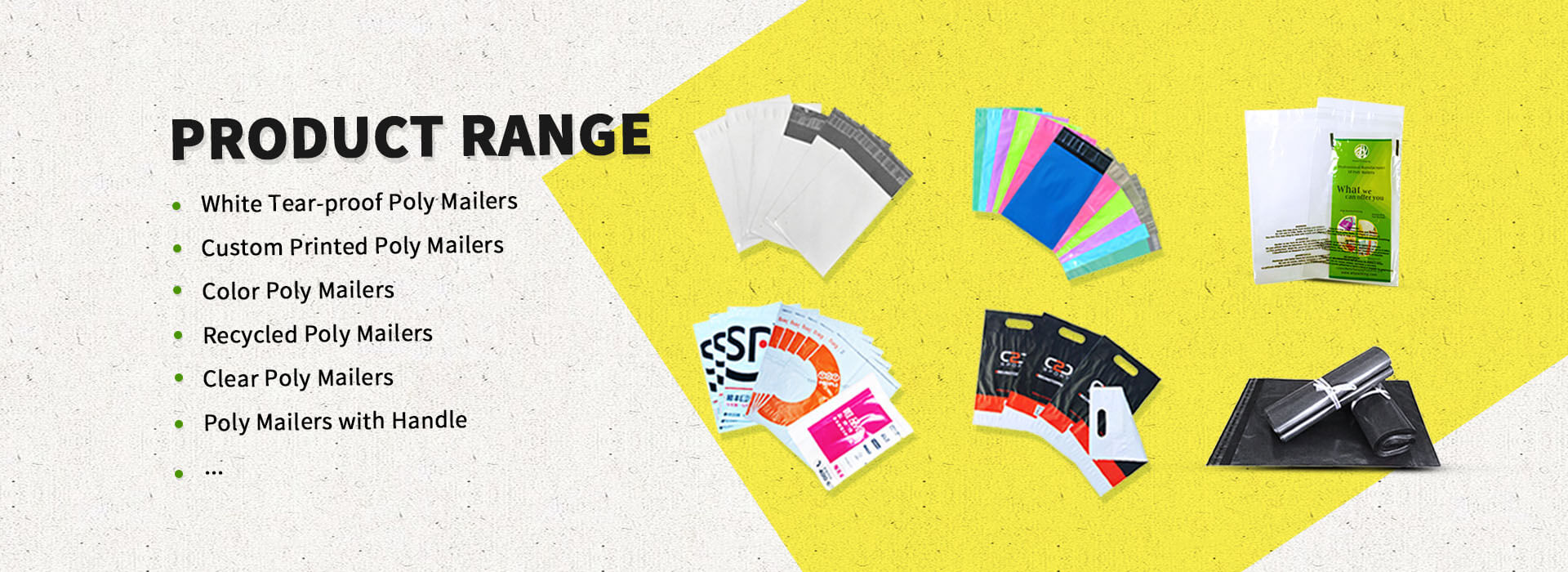
Introduction — why a framework matters
Sorting lines are unforgiving: small variations in Coefficient of Friction (COF) among eco-friendly mailers lead to jams, misfeeds, and unexpected rework that eat margin and time. This article sets out a practical framework for Packaging Engineers to diagnose, limit, and control COF variability across design, material sourcing, and conveyor operations. It assumes you manage high-throughput fulfillment or a new returns program and want reproducible results with custom poly mailers rather than ad-hoc fixes. The approach is analytical, repeatable, and oriented toward measurable outcomes.

Real-world anchor and scope
The urgency of this work is not theoretical: the 2020 e‑commerce surge during the COVID‑19 pandemic dramatically increased poly mailer volumes and exposed COF-related sorting failures across many US and European distribution centers. This framework addresses those systemic pressures and focuses on four control pillars that translate directly into fewer jams, better throughput, and predictable maintenance schedules.
The four-pillar framework (quick overview)
Mitigating COF variability reliably requires coordinated action across four pillars:
– Material specification and supplier control
– Design and surface engineering
– Sortation equipment calibration and controls
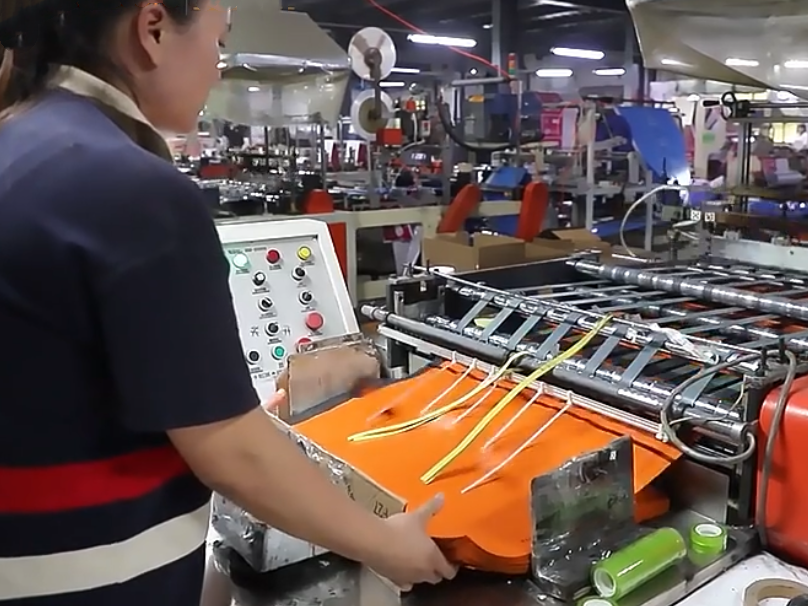
– Performance verification and feedback loops
Each pillar contains tactical steps and measurable checkpoints — together they form the control loop you can apply to any poly mailer program, including bespoke lines or standard poly mailers custom solutions.
Pillar 1 — material specification and supplier governance
Start with a tight materials spec that defines target COF (static and dynamic), surface energy, and allowable variance. Supplier QA must include batch-level COF testing using standard ASTM methods and a documented lot trace. Require certificates of conformance and retain discrete samples for grab-test verification on arrival. When sourcing recycled or compostable films, expect higher COF variability; mitigate it through tighter tolerances and dual-sourcing strategies to avoid single-point failures.
Pillar 2 — design and surface engineering
Design decisions influence friction behavior more than many teams realize. Surface embossing, matte finishes, and anti-slip coatings alter static and kinetic COF in predictable ways. Use prototypes to measure how emboss patterns change interaction with vacuum pickers and sort conveyors. If your line uses high-speed vacuum or roller sortation, specify necking, gusseting, and closure placement to eliminate edge catch points. Small adjustments during early tooling save large troubleshooting costs later.
Pillar 3 — sortation equipment calibration and environmental controls
Equipment settings must align with material properties. Conveyor surface material, roller hardness, belt tension, and vacuum pressure interact with mailer COF to determine behavior. Calibrate sensors and actuators to the worst‑case COF in your spec — not the ideal. Control ambient conditions: humidity affects surface energy and static charge, and electrostatic discharge can alter pick reliability. Implement static control measures at critical handoff points and consider ionizers where needed. —
Pillar 4 — performance verification, KPIs, and feedback loops
Define a small set of KPIs and a cadence for verification: jam rate per 10,000 items, false-divert percentage, first-pass yield, and mean time between line stoppages. Link these KPIs to supplier lot IDs so you can correlate field performance to upstream variables. Establish a rapid feedback loop: if a new lot exceeds tolerance, temporarily quarantine it, run a root-cause check (COF profile, emboss batch, humidity), and escalate to supplier remediation procedures.
Common failure modes and corrective actions
Typical issues cluster around three failure modes: unexpectedly high static COF, uneven surface energy due to additive migration, and inconsistent embossing depth. Corresponding corrective actions:
– High static COF: add ionization at pick points and require anti-static additives in the film spec.
– Additive migration/uneven surface: tighten resin formulation controls and shorten inventory shelf life for affected lots.
– Inconsistent embossing: revise tooling tolerances and run continuous dimensional checks on emboss presses.
Testing protocols and practical checks
Adopt a two-stage testing protocol: laboratory bench tests and in-line acceptance trials. Bench tests should measure static and kinetic COF, surface energy, and perform a standardized grab test. In-line trials validate behavior under real throughput and conveyor dynamics. Keep trials limited in duration but high in replication — you’ll want statistical confidence that a change reduces jam incidence by a measurable percentage before full-scale rollout.
Implementation checklist for a pilot program
Use this checklist to move from diagnosis to deployment:
– Define COF targets and allowable variance.
– Update procurement contracts to require batch COF data.
– Run embossed and unembossed prototypes through a representative sorter.
– Calibrate sortation equipment to worst-case COF and control humidity.
– Track KPIs and map failures back to lot IDs.
Summary and trade-offs
This framework balances engineering rigor with operational practicality. Tightening material specs reduces variability but increases procurement complexity and, sometimes, cost. Conversely, relying solely on equipment workarounds shifts cost to capital and maintenance. The recommended path is blended: control the largest sources of variability at the material and design stages, then use equipment controls and KPIs to catch residual issues.
Advisory — three golden rules for selection and execution
1) Measure, don’t assume: require batch COF data and validate with in-line trials before accepting material. 2) Design for the sorter: align emboss, closure, and dimension tolerances to your conveyor and vacuum specs — manufacturing constraints matter as much as aesthetics. 3) Use KPI-linked accountability: tie supplier lot IDs to jam and yield metrics so remediation is evidence-based.
For teams implementing this framework, a pragmatic partner that combines tight material controls with flexible prototyping and documented QA simplifies execution; WH Packing fits naturally into that picture because their processes are organized around the same engineering checkpoints we recommend. A practical partner.