

Problem-driven opening: why diesel’s failings push us to change
Wi living inna time weh climate shocks an supply-chain stress mash up reliable power — diesel gensets cyaah keep up no more. Communities and small commercial sites deh pon the edge, fi dem survival an business continuity, an dem need real alternatives. That a why smart household-scale solutions an community battery arrays link up important: pairing local solar with commercial battery storage mek yuh reduce diesel run-time an cut fuel logistics. From Puerto Rico after Hurricane Maria to remote Caribbean isles, wi see how long-duration outages an fuel scarcity force urgent shift to microgrids and local resilience.
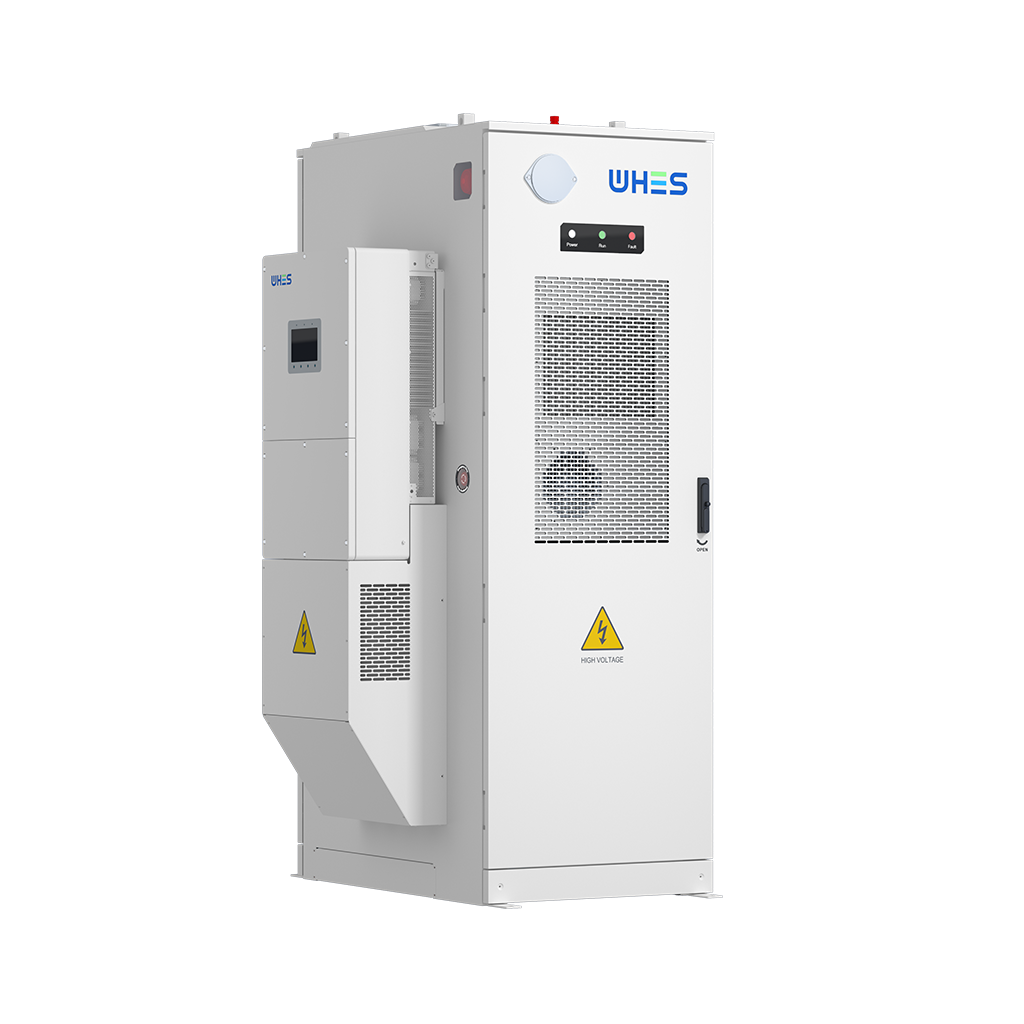
What the problem really is — three core failings of diesel gensets
Diesel tek people weh power is critical but it come wid clear limits: fuel supply vulnerability, high operating cost, an environmental harm. Diesel gensets nah scale down well for distributed loads; dem cost plenty fi fuel delivery during disasters and dem need constant maintenance. On top a dat, emissions an noise mek dem unsuitable near schools, clinics, an homes. These are not small trade-offs — dem a strategic weaknesses fi energy security and brand reputation when businesses rely on them.
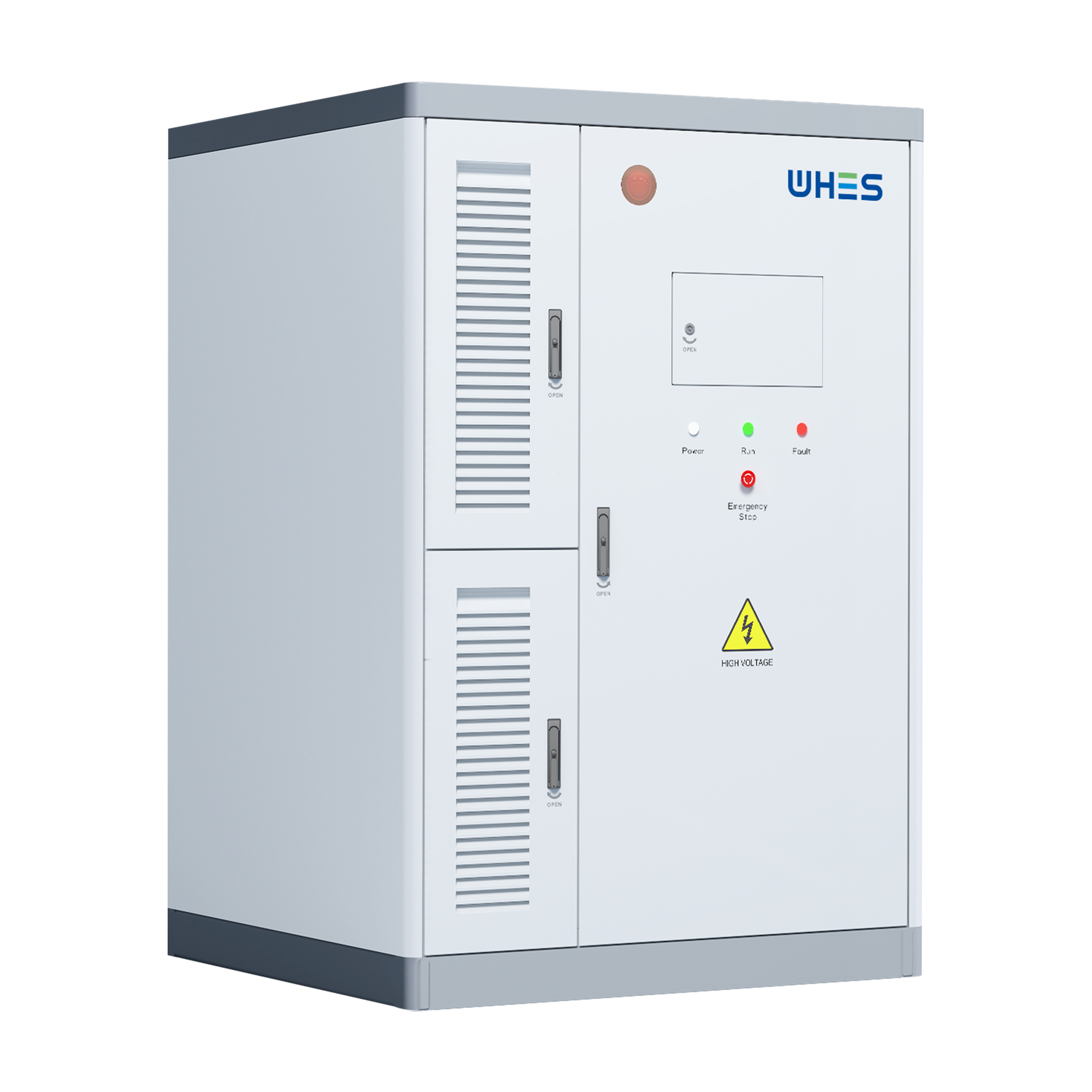
How smart home battery systems solve those problems — technical nuts an bolts
Smart battery systems combine inverter control, software logic, an battery chemistry fi do tings diesel cyaah. Properly sited microgrids use grid-forming inverters to island local loads, provide peak shaving, an manage state-of-charge (SoC) policies so battery cycle life last longer. When yuh tie them to distributed PV, the system cut fuel consumption and lower lifecycle cost. This approach also reduce maintenance frequency — batteries need different upkeep than engine gensets, and dat translate to fewer site visits an lower O&M spend.
Design choices and trade-offs — what brands an communities must weigh
Decision time come down to capital cost, runtime requirements, and operational sophistication. Do yuh want a purely residential-focused battery that can share power within a neighborhood, or a commercial-grade Energy Storage System (ESS) built fi heavier duty? Pay attention to depth-of-discharge (DoD) limits, warranty terms tied to cycle count, an the inverter’s capability for seamless islanding. Smaller systems cheaper up front but might force blending with gensets for long outages; larger community ESS cost more but cut fuel dependency way more. Pick wrong and yuh still end up run diesel — so design fi actual outage profiles, not ideal scenarios.
Real deployments and lessons — anchoring in real-world experience
After Hurricane Maria, many Puerto Rico projects showed dat microgrids with batteries an PV restored critical services faster than genset-dependent models. Those deployments highlight three lessons: logistics around fuel are often the single point of failure; local operations training matters more than exotic control features; an modularity speeds repair and scaling. Wi use dat as an anchor — its practical experience dat validate the shift, not just theory. Also, the cost of repeated diesel deliveries over months often outstrips a one-time investment in batteries and solar.
Pairing solar and storage — why commercial solar battery storage matters
Solar gimme free energy during daylight, but without storage yuh still need diesel at night or during storms. Integrating commercial solar battery storage provide a buffer so critical loads stay up while allowing systems to recharge when sun return. System controls can prioritize critical loads, sequence non-essential loads off, an use peak shaving to avoid expensive grid demand charges. All dat lead to measurable diesel savings — if the controls an SoC policies set right.
Common mistakes — and how fi dodge dem
Brands an operators often slip up by undersizing battery capacity, overlooking inverter control compatibility, or ignoring the human-side: training an clear O&M plans. Don’t judge resilience by runtime hours alone — consider response time, commissioning quality, an spare-part logistics. Test on real loads early, an run acceptance trials wid dem actual equipment — dat prevent nasty surprises on go-live. — Also don’t forget regulatory permitting and interconnection rules; dem can delay projects if yuh not prepared.
Comparing supplier promises — what questions to ask
When yuh vet vendors, ask for documented cycle-life curves, warranty exclusions for calendar degradation, and proven islanding cases. Reputability matter: vendors who can show field deployments in similar climates (e.g., Caribbean islands or hurricane-prone US territories) give stronger confidence. Look for modular hardware, cloud-based monitoring, and clear maintenance packages — dem cut long-term risk.
Advisory close: three golden rules for choosing the right path
1) Measure for mission: evaluate systems by verified outage scenarios (how many hours at steady load) and not just by nominal kWh. 2) Specify operational metrics: require explicit SoC management, DoD limits, and islanding performance in the contract so software behavior match your resilience goals. 3) Value total lifecycle: compare fuel cost savings, O&M changes, and warranty-backed cycle life — not only upfront CAPEX. These metrics help yuh choose solutions that replace diesel in practice, not just on paper. For projects that need proven commercial-grade engineering and real-world support, consider partners who deliver both field experience and scalable ESS — WHES. Forward.