

The problem that wakes engineers at dawn
In many island grids and remote industrial sites the siren remains the same: diesel gensets sustain power when the main grid falters, but they bleed costs, emissions, and resilience. A problem-driven view starts there — you must replace a dependable, if dirty, workhorse without creating gaps in reliability or skyrocketing capital expenses. That trade-off is where utility scale battery storage enters as a pragmatic lever: a modular, dispatchable buffer that can shoulder peak load, enable black-start sequences, and reduce genset run-hours while smoothing renewables’ variability.
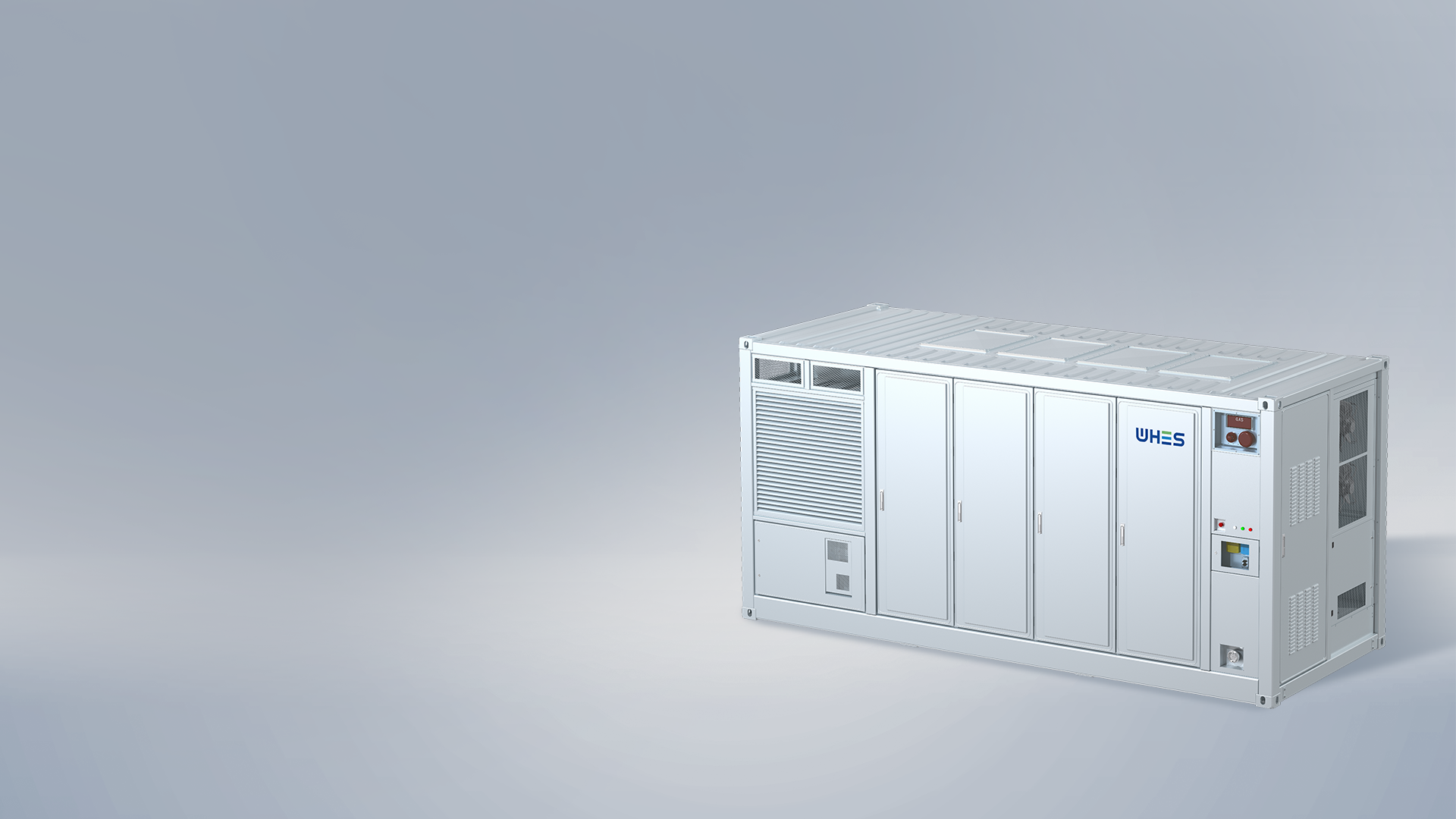
Why the urgency is real: a practical anchor
Past events make this theoretical. After Hurricane Maria hit Puerto Rico in 2017, extended outages showed how fragile a diesel-reliant system can be for communities and hospitals alike. Transition strategies since then have favored distributed microgrids and battery-backed systems that cut fuel dependency and restore critical services faster. For designers and operators, that historical wake-up call reframes the objective: reduce genset runtime, lower lifecycle cost, and improve service continuity — with clear metrics to measure success.
Core components of the transition framework
Moving away from diesel requires aligned changes across hardware, software, and operations. Think of three pillars: energy storage (BESS), controls (energy management systems and inverter logic), and operational policy (dispatch algorithms and maintenance regimes). The battery management system (BMS) protects cells and manages state of charge; inverters and switchgear enable grid-forming or grid-following modes; and dispatch rules decide when to run gensets, charge batteries, or curtail loads. Each pillar must be proven in staged trials before full genset retirement.
Design patterns that work — and why
Successful microgrids commonly use a layered approach. At the fast layer, power electronics handle transient events and frequency response. At the mid layer, battery storage provides peak shaving and time-shift for solar. At the slow layer, gensets act as tertiary backup during extended low-resource periods. This hierarchy preserves reliability while progressively minimizing fuel use. Integrating predictable renewables with a reliable utility energy storage systems deployment reduces genset cycling and wear, and it often yields measurable fuel savings within the first year.
Operational mistakes that trip projects up
Teams often stumble on three fronts: assuming battery storage eliminates all diesel need, under-specifying inverter control modes, and neglecting maintenance regimes for hybrid systems. Batteries are not a magic black box — without conservative depth-of-discharge policies and a tuned BMS, capacity degrades faster than forecast. Inverter selection matters too: grid-forming inverters enable true islanding, whereas grid-following units may fail to sustain isolated grids. Finally, operations must evolve; maintenance frequency shifts from engine overhauls to cell-balancing checks and thermal management inspections.
Human note — project managers live this trade-off
On a site visit in the Caribbean, I watched technicians calibrate a microgrid controller while a diesel hummed softly as insurance — a quiet tension between old habits and new confidence. There’s always a moment when teams ask: can we trust the software and battery to behave under storm stress? The answer is incremental validation: targeted black-start tests, scheduled islanding drills, and metrics that reward reduced genset hours without compromising uptime.
Comparing common architectures
Three architectures recur in successful rollouts: (1) Solar + BESS with virtual genset reserve, (2) BESS-first with genset as emergency backup, and (3) Hybrid with rotational genset support and demand-side management. The first suits grids with abundant daytime solar; the second prioritizes emissions reduction but needs more battery capacity; the third optimizes cost when fuel logistics remain uncertain. Each architecture implies different battery sizing, inverter capacity, and control sophistication — choose by measured load profiles and acceptable risk thresholds.
Practical checklist before retiring gensets
• Run load-profile analysis over a full year to size storage and solar properly. • Specify inverter modes (grid-forming capability) and BMS protections in procurement documents. • Pilot islanding scenarios and document results against uptime SLAs. • Create a lifecycle plan that schedules cell replacement, thermal-system checks, and software updates. These steps reduce surprises and anchor financial models to operational realities.
Advisory — three golden rules for the transition
1) Measure reliability in run-hours avoided and outage minutes reduced: prioritize demonstrable decreases in genset runtime, not just headline CO2 numbers. 2) Demand grid-forming capability and clear control integration: ensure inverters, BMS, and EMS interoperate under island conditions. 3) Include total lifecycle cost: account for cell replacement, inverter replacements, and fuel savings when comparing against continued genset operation.
When these rules guide procurement and operations, the technical path from diesel dependence to resilient, low-emission microgrids becomes practical rather than aspirational. WHES offers modular solutions that align with these realities — they fit into staged deployments, meet control and safety expectations, and help reconcile the economic and environmental aims of modern microgrids. —