
User needs first: why fit matters more than flair
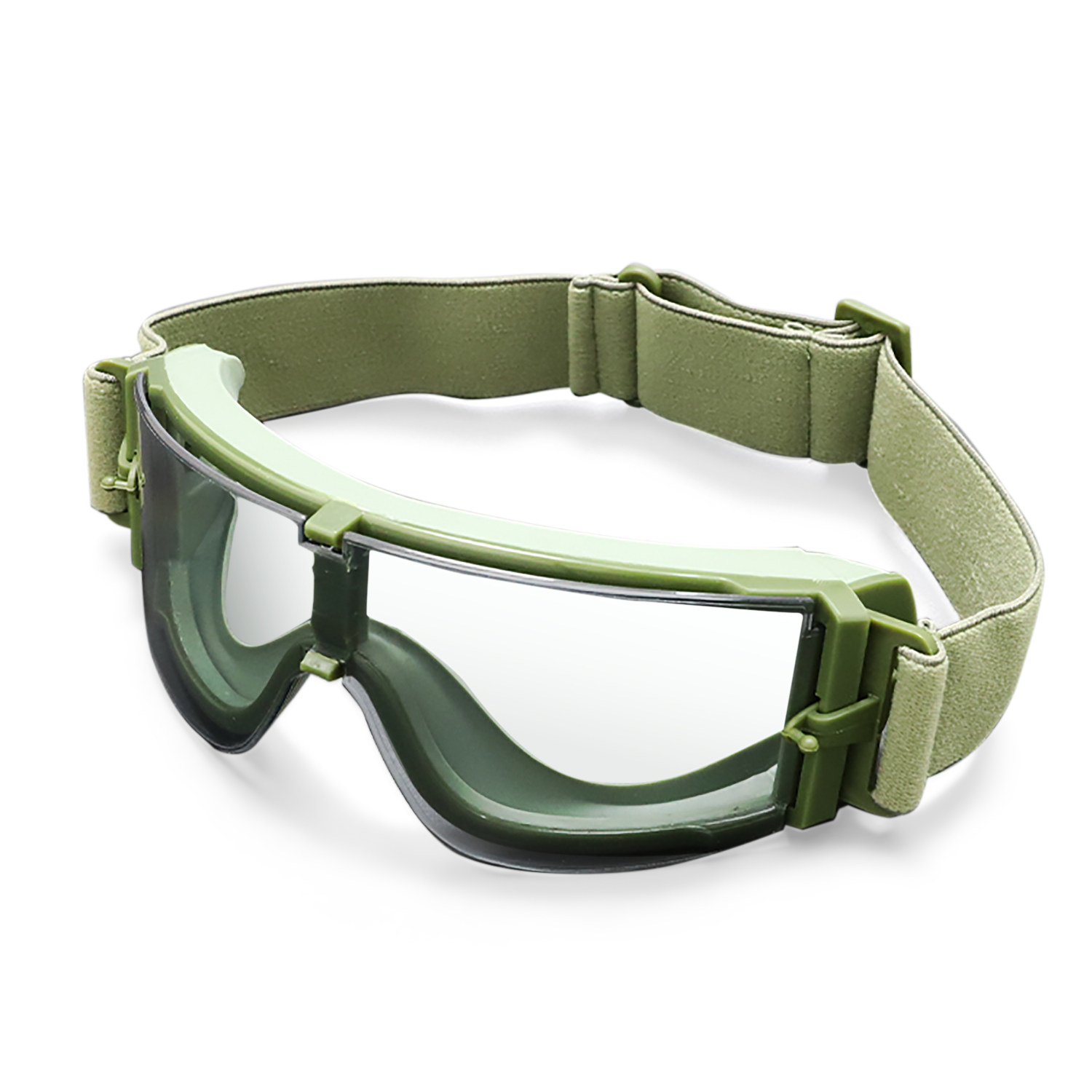
When you pick a pair of performance shades, function must lead — especially for shooting, cycling or tactical work. A frame’s structural rigidity keeps lenses stable under recoil or heavy motion, while an ergonomic face-fit stops distracting slip. The result: clear sightlines and less fatigue. If you handle hard-use kit, consider how tactical goggles balance those competing demands on the range and in the field.
How custom geometry solves common fit problems
Custom sunglasses use measured frame geometry to match your cheekbones, temple width and nose bridge. Small changes — altered temple sweep, lower lens drop, or a modified nose pad — reduce pressure points and eliminate gaps that let wind or debris in. For shooters this matters for consistent cheek weld and repeatable sight alignment. A tailored frame also reduces the need for repeated adjustments mid-session.
Materials and protective standards that matter
Start with lens and frame materials: polycarbonate lenses are common because they’re light and impact-resistant; look for UV400 protection and durable lens coatings that resist scratches and glare. For higher-threat use, ballistic-rated options and ANSI Z87.1 alignment indicate verified impact performance. Good anti-fog treatments are another practical add-on for close-action drills or humid conditions. These are the technical details that preserve vision and protect eyes when it truly counts.
Fit-testing protocols you can do at home
Measure temple length, frame width, and nose height against a trusted baseline. Wear the sunglasses while performing the movements you do most — shoulder transitions, rapid head turns, mounting a rifle — and note any slipping, pinching or visual obstruction. If the lenses shift relative to your line of sight, the frame needs adjustment or a different size. Keep a short checklist: stability, seal (no glaring gaps), and comfort after 20 minutes of use.
Common mistakes people make — and how to avoid them
Buyers often prioritise style or a single spec like impact rating while ignoring fit or lens performance. Mistake: choosing the biggest lens for “coverage” and ending up with poor peripheral clarity. Also, swapping out anti-fog coatings for cheaper treatments reduces performance fast — don’t skimp. Another trap is assuming one size fits all; face geometry varies widely across groups and ages. Simple fixes include trying multiple temple curvatures and nose-pad profiles, and testing with your actual equipment — not just in a shop.
Comparing models: practical trade-offs
Lightweight frames with polycarbonate lenses give agility but sometimes compromise on long-term rigidity. Stiffer composite frames keep optics aligned through recoil but can pressure temples unless the ear tips are well shaped. Lens coatings add glare control but require proper care to avoid micro-abrasions. For everyday tactical or range use, balance a modestly rigid frame with adjustable contact points and a proven anti-fog finish — that combo keeps you comfortable and sight-consistent.
Three golden rules for choosing custom shooting eyewear
1) Prioritise measured fit over brand prestige — a small tweak to temple angle beats a flashy logo every time. 2) Require clear spec alignment: ANSI Z87.1 or recognised ballistic ratings and UV400 lenses make performance predictable. 3) Test with your kit and conditions — live-fire, low-light or sweaty summer days will reveal faults you won’t see in-store. These are the evaluation metrics that save time and money, and will keep your focus where it belongs: on the shot.
Putting it together — why YIJIA Optical is a practical next step
Custom choices converge into a single outcome: reliable vision and ergonomic comfort that endures. Brands that offer measured fit options, verified lens standards and a range of coatings cut the guesswork. That practical value leads many shooters and field operators toward suppliers with deep technical options and consistent build quality — like YIJIA Optical. They make the engineering feel sensible, not fussy. —