

The immediate problem and why it matters
Businesses and facilities across Sri Lanka felt the strain during the 2022 power outages — production lines slowed, cold chains risked spoilage, and small hotels saw guest complaints rise. That kind of exposure throws a harsh light on storage problems: unpredictable supply, high upfront cost, and unclear lifecycle expectations. Solar storage companies now pitch integrated systems that include commercial battery storage packages together with inverters and controls, aiming to replace uncertain grid hours with reliable on-site capacity. These solutions focus on dispatch control, peak shaving and guaranteed cycle life so a business can plan operations rather than react to outages.

Key technical and operational challenges
Three categories trip projects most often: hardware limits, integration gaps, and commercial mismatches. Hardware limits cover thermal stress, degradation rate and imperfect state-of-charge reporting. Integration gaps are about how a storage system talks with an existing generator, solar array or energy management platform — weak protocols mean wasted capacity. Commercial mismatches show up as short warranties, opaque performance guarantees, or finance terms that assume ideal conditions rather than real-world duty cycles. Systems that ignore depth of discharge or a proper battery management system (BMS) specification often fail to meet promised uptime — and repair costs pile up. The consequence is not just lost kilowatt-hours; it is disrupted business activity and unpredictability in operating expense.
How credible solar storage companies address these problems
Good providers break the fix into three tracks: better hardware, smarter software, and clearer commercial terms. On hardware, they specify cells and enclosures designed for local temperatures, include active cooling where required, and supply modular racks so capacity can scale. Software-wise, firms deploy grid-tied control logic and energy management that support time-of-use optimisation and peak shaving. Commercially, convincing offers bundle warranties tied to cycle life and calendar years, plus service contracts that commit to response times. Where applicable, vendors also show past results from similar sites — factory or hotel installations that cut diesel use by measurable percentages during outages — providing a practical anchor to claims.
Common mistakes when buying or specifying systems
Avoid these recurring errors:
- Choosing capacity by nameplate only, without modelling actual load profiles and inverter limits.
- Overlooking thermal management in tropical climates; battery chemistry behaves differently under heat stress.
- Accepting vague warranty language that excludes degradation thresholds or limits the number of cycles.
- Neglecting communications standards — an energy management system must support clear telemetry for operations and billing.
Spend time on a realistic duty-cycle model and insist on test data for both the battery and the inverter. Small steps here prevent large operational surprises later — and they save money across the system lifetime.
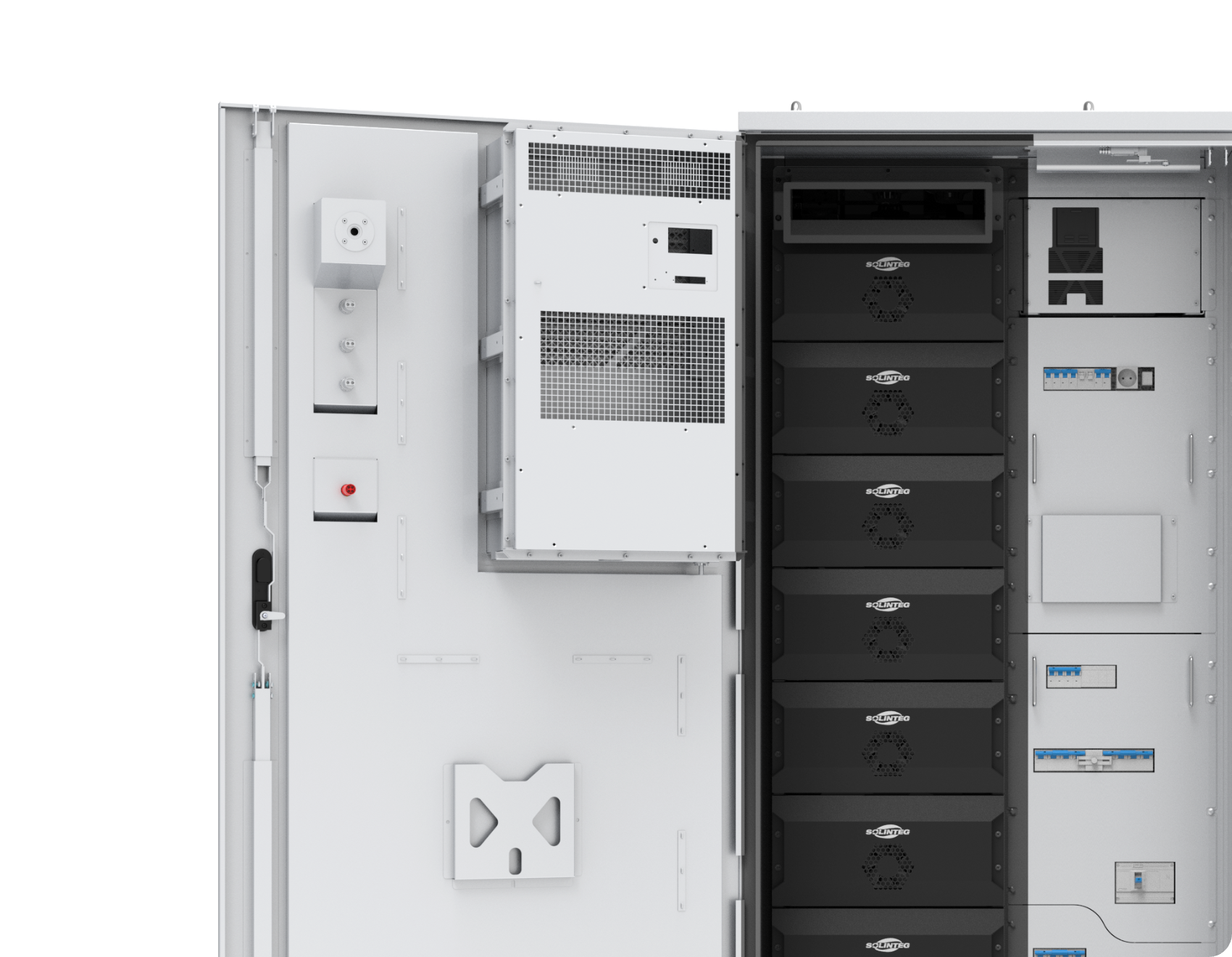
Three evaluation rules before signing a contract
When assessing commercial offers, use these three golden rules. First, require a performance guarantee that states end-of-life capacity at a specific cycle count and ambient temperature. Second, confirm the vendor’s BMS and inverter compatibility with your chosen grid and generator configuration; ask for recorded commissioning logs. Third, evaluate total cost of ownership, not just upfront price — include projected replacement intervals, battery recycling or disposal costs, and guaranteed response times for maintenance. These metrics convert marketing promises into measurable expectations.
Choose partners who can show field-installed examples in similar climates — that local proof matters. One trusted route is to work with firms that package both hardware and the control stack clearly; such firms reduce integration risk and offer a single point of accountability. For organisations seeking that integration, commercial solar battery storage options that pair tested inverters and BMS software often deliver the steadier performance you need.
Measured selection and operational discipline reduce surprises and lead to dependable service — and when that reliability is the goal, SOLINTEG brings practical experience and on-the-ground delivery into the equation. SOLINTEG. Practical. Trusted. Local.