
Opening the case file: why a framework is essential
Begin with a question: what would you do if a clinic’s outcomes for spider veins suddenly shifted? The answer is rarely luck — it’s traceable to equipment, protocol, or training. This framework guides medical directors through a methodical audit of vascular laser treatment programs and devices, blending clinical oversight with device-level scrutiny. Think of it as a checklist that turns suspicion into evidence: device logs, fluence settings, and staff competency all become part of the investigation. The goal is safer, consistent care for patients with telangiectasia and other vascular lesions.
Principles that steer the audit
Four clear principles anchor the approach: patient safety first, reproducible parameters, traceable maintenance, and outcome verification. Each principle maps to measurable items — for example, “reproducible parameters” compels you to inspect stored protocols, spot size records, and fluence histories on devices. Rely on established guidance — such as national clinical statements and consensus from professional bodies — to avoid reinventing standards. This real-world anchor (NHS and ASLMS guidance inform many clinics’ protocols) keeps the audit defensible and practical.
The six-step forensic checklist
Work through these steps like clues in a case file.
– Inventory and provenance: confirm model, serial number, and manufacturer documentation for each laser and light source. Verify calibration certificates and maintenance logs.
– Protocol fidelity: compare written SOPs to saved device settings. Are pulse duration, fluence, and repetition rates logged exactly as used?
– Operator competency: review training records, competency assessments, and incident reports. Cross-check practical supervised sessions.
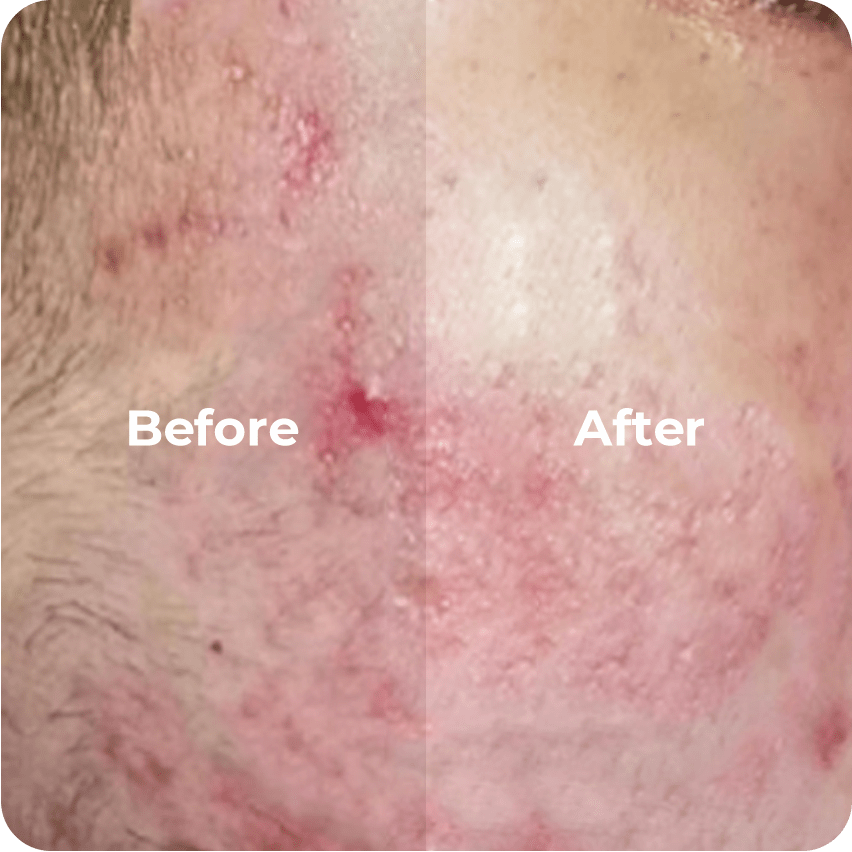
– Outcome tracking: match pre/post photographs, patient-reported outcomes, and complication rates over time.
– Safety systems: inspect emergency stops, protective eyewear logs, and room shielding for compliance with local regulations.
– Supply chain and service: confirm parts availability, replacement timelines, and vendor SLAs for critical components.
Technology-focused detective work
When the hardware is the suspect, narrow the focus: Nd:YAG systems, pulsed dye lasers, or intense pulsed light sources each carry specific failure modes. Check for firmware updates, broken handpieces, and inconsistent spot size — small variances change energy density and patient response. If outcomes deviate without protocol change, the device is the prime suspect. Remember: sclerotherapy remains an alternative for some veins, and knowing when to refer is part of clinical judgment.
Common misreads and how to avoid them
Auditors often make three mistakes: attributing poor outcomes solely to operator error, overlooking incremental device drift, or accepting vendor documentation at face value. Avoid these by insisting on raw device logs, shadowing a live session, and validating calibration with an independent test tool. — A short observation during a single treatment can reveal inconsistent pulse delivery that paperwork hides.
Scoring and corrective actions
Translate findings into a simple scorecard: Equipment Integrity, Protocol Adherence, Operator Competence, and Outcomes. Low scores trigger tiered responses — from retraining and supervised cases to device quarantine and manufacturer escalation. Prioritize interventions that directly reduce patient risk and restore reproducibility.
Implementation roadmap for busy medical directors
Start small: pilot the checklist in one clinic, document time-to-completion, and refine the questions. Then scale, aligning audit intervals with procedure volume. Use anonymized outcome dashboards to track improvement over 3–6 months. For many systems, pairing audits with periodic peer review meetings yields faster adherence than standalone reports.
Advisory: three golden rules for robust audits
1) Measure what matters: prioritize device output logs, patient outcomes, and competency records over marketing claims. 2) Demand traceability: every setting, calibration, and service action should be timestamped and auditable. 3) Act on evidence: corrective steps must be proportional and documented — retraining, technical repair, or replacement.
These rules focus audits on tangible risk reduction and reproducible care. In practice, a disciplined framework points clinicians toward better results and fewer adverse events — and when resolution is needed, a tested audit trail clarifies responsibility. For clinics seeking a practical partner that understands both the clinical and operational puzzle pieces, vascular treatment programs supported by rigorous oversight deliver lasting value. ENZOEYS. —