

Opening the problem — why clinics struggle
Many clinics lah facing same headache: long treatment times, variable patient outcomes, and downtime from overheating or maintenance — all hurting throughput and margins. When clients expect fast sessions and fewer visits, the right device architecture becomes a business problem, not just a clinical choice. That’s why we look closely at the design behind the diode laser hair removal machine to see how engineering decisions map to real clinic needs, especially in busy urban centres like Kuala Lumpur where appointment books fill fast after COVID-19 service rebounds.

Core clinical problems to solve
Three problems repeat across practices: inconsistent efficacy across skin types, therapist fatigue from cumbersome handpieces, and machine downtime from thermal strain. These translate into technical requirements — stable wavelength delivery, effective cooling, and ergonomics for continuous use. If a device can’t hold fluence and pulse duration steady while keeping the skin cool, then the clinic pays in re-treatments and complaints.
How ENZOEYS’s architecture addresses these problems
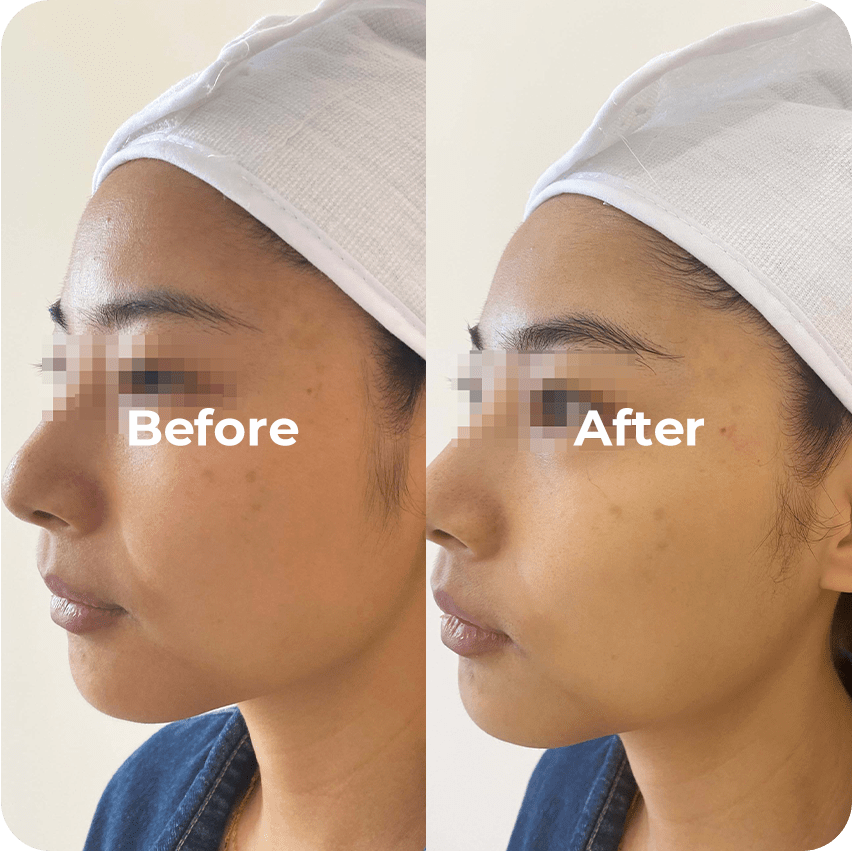
ENZOEYS approaches the problem with modular engineering that targets the failure points. The emphasis on diode array uniformity reduces hot spots, so melanin absorption is more consistent across the spot size — that improves single-pass efficacy. Integrated cooling systems (contact or dynamic cooling) help maintain epidermal comfort during higher repetition rates, which shortens session time without raising risk. The S500’s handpiece ergonomics also cut therapist fatigue, meaning operators can maintain consistent technique across long booking blocks — and that’s important when demand surges.
Real-world anchor: clinic workflows and the post-pandemic rebound
In practice, several Kuala Lumpur dermatology clinics reported longer waitlists in 2021–2023 as aesthetic services resumed; clinics needed faster, reliable machines to clear backlog while meeting safety standards. Devices that combine stable diode performance with active cooling helped clinics increase throughput without compromising patient comfort — a practical win that ties engineering to business outcomes. This is not magic; it’s design-for-use applied where appointment cadence matters most.
Where engineering choices matter most — a closer look
Key subsystems to inspect when evaluating any device are the diode source, thermal management, and software control. The diode array quality affects wavelength consistency and power stability. Cooling architecture controls epidermal temperature during bursts of high fluence. Software algorithms that manage pulse trains and safety interlocks reduce operator error. Look at handpiece ergonomics too — small thing, big effect on consistency across sessions. —
Alternatives and trade-offs you should know
Not every clinic needs top-tier modularity. Lower-cost units may be fine for low-volume practices, but they often trade repeatability for price. On the other hand, fractional or alexandrite systems can offer advantages for certain skin types, yet they bring different maintenance and training needs. The middle path is flexible: choose systems that scale with your patient load and training capacity rather than the most feature-dense option out of the box.
Common mistakes clinics make when choosing a machine
1) Buying on headline power alone — higher watts isn’t everything if diode uniformity and cooling are poor. 2) Ignoring consumable and service logistics — spare handpieces and module swaps must be straightforward. 3) Skipping realistic on-equipment trials with your staff and patient mix. These mistakes cause downtime and patient dissatisfaction; avoid them by insisting on site demos and clear maintenance contracts.
Advisory close — three golden metrics to evaluate
1) Treatment throughput (patients per hour): measure with your typical protocols and skin types — this tells you real clinic capacity. 2) Thermal stability (temperature rise under continuous use): prefer devices with robust cooling to maintain consistent fluence. 3) Usability score (operator fatigue, handpiece ergonomics, software clarity): test with actual operators for at least a week. These metrics separate marketing claims from day-to-day reality and make procurement decisions defensible.
Final practical thought: when engineering lines up with clinic workflow, treatment time shortens and patient satisfaction improves — and that’s where ENZOEYS fits naturally as a designed-for-practice solution. ENZOEYS. —