
Problem: Small runs drag development down
Too many teams hit the same wall — prototype’s ready but parts cost too much, tooling takes forever, and timelines slip. That choke point ain’t just annoying; it kills momentum. Folks try to patch it with quick 3D prints or last-minute design changes, but those fixes don’t hold when tolerances gotta be tight. When you need repeatable parts fast, consider custom injection molding services early, not as an afterthought.
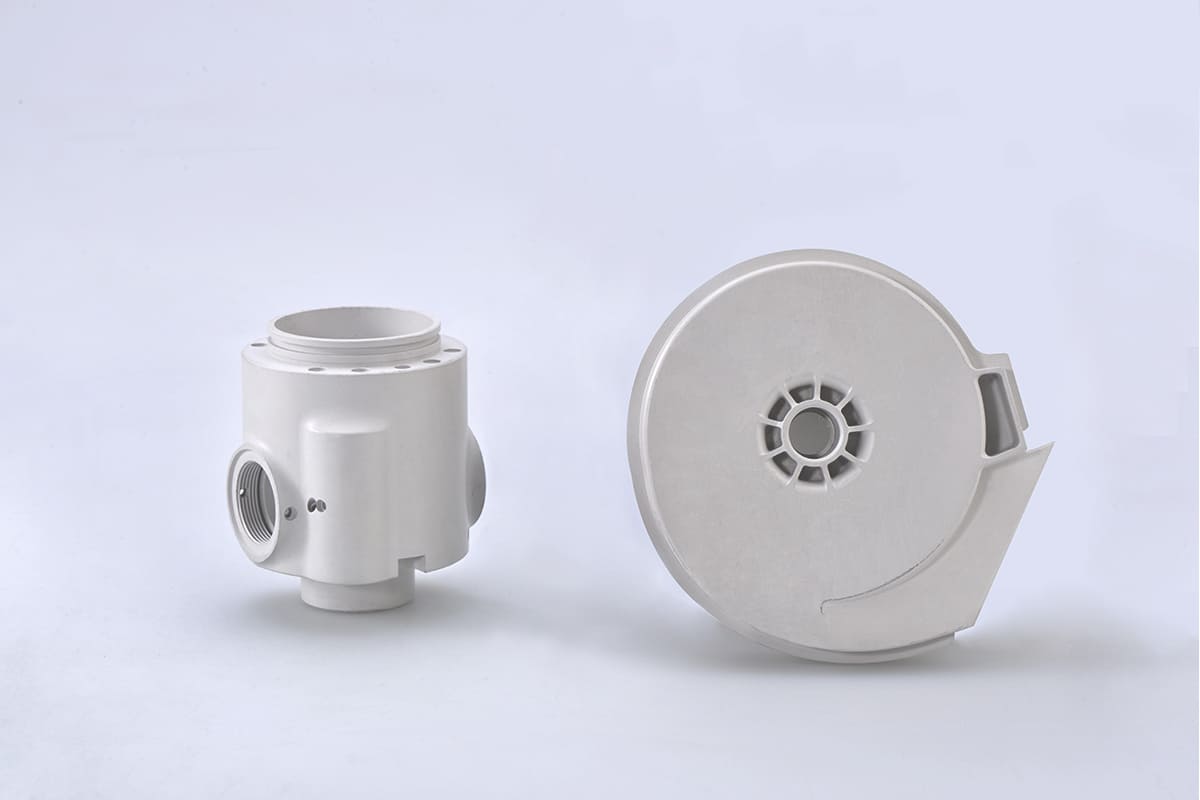
Why it happens: cost, scale, and misread trade-offs
Here’s the breakdown — tooling for injection molding upfront feels expensive for low quantity. CNC can make single pieces quick, yet it becomes inefficient when you need dozens with the same tight specs. Materials and surface finish expectations get misaligned between engineering and manufacturing. I’ve worked with teams that expected production tolerances from a 3D print; that mismatch is real. Look at the Shenzhen manufacturing hub — its mix of rapid tooling, mold shops, and contract manufacturers shows how local ecosystems reduce lead time for low volume runs, and you can find corroborating industry reporting on that shift. That’s why folks are turning toward low volume injection molding to bridge the gap without blowing budgets.
Where projects fail most
They skip design-for-manufacturing. They underestimate surface finish and dimensional stack-up. They choose the wrong material for the function. Communication’s sloppy — drawings say one thing, vendors quote another. Quality checks get tacked on at the end instead of built into each stage. Those mistakes cost time and money you don’t get back.
Fixes that actually work
Start with design rules that map to both CNC and molding. Use soft tooling or aluminum molds for short runs instead of full-production steel dies. Lock in material choice and test a small batch early — get real-world fit and finish before committing. Bring suppliers into the loop during the design review; you want manufacturability feedback, not surprises. Use inline inspection steps: a single critical dimension inspected across a first lot saves weeks down the road. When balancing cost vs. tolerances, split critical features to CNC post-process after a molded run if that lowers price without sacrificing spec.
Alternatives and trade-offs
3D printing holds up for form checks and rapid iterations, but it rarely matches the wear resistance or surface quality of molded thermoplastics. CNC shines for metal parts or when you need a tough prototype quickly, but it ain’t cheap for medium runs. Soft-tool injection molding gives the look and mech properties close to production at lower volume — trade-off is shorter mold life, but that’s fine for proof runs. Know what you’re buying: each method has predictable limits; pick based on function, not habit.
Practical checklist before you order parts
Confirm required tolerances and identify the one or two dimensions that break assemblies. Choose materials that meet function, not just looks. Decide upfront if a small production-friendly mold or CNC-plus-post-process gives better cost over target quantities. Get supplier feedback in writing on cycle time and expected first-pass yield. Schedule an inspection of the pilot batch and budget for one quick iteration.
Close: What steady progress looks like
Solve the choke points by matching method to purpose, enforce clear specs, and loop manufacturing into the design conversation early. Do that and prototypes stop being fragile experiments and start behaving like predictable steps toward product release. Teams I know that treat low-volume production as a plan, not a gamble, move faster and spend less. That kind of steady practicality is what you get when you work with partners who handle both tight tolerances and small runs, like Hanstar.