
Opening: Why a comparative lens matters
When procurement teams decide between manufacturers, they need a clear technical lens rather than marketing claims. Start by mapping the device class you need—balloon angioplasty fits a narrow set of tolerances and handling characteristics—so early-stage comparisons should include specific device types such as a coronary cutting balloon alongside standard angioplasty balloons. Comparative Insight means you measure like-for-like: same endpoint, same test conditions, same acceptance criteria.
Core technical metrics to compare
Focus on measurable engineering attributes: dimensional tolerances and concentricity; balloon compliance curves and nominal burst pressures; catheter shaft pushability, torque response and transition stiffness; materials traceability and biocompatibility test reports; sterilization validation and packaging integrity data. Add regulatory status and predicate-device relationships. Each metric must tie back to clinical effect or manufacturing risk—don’t treat specs as independent checkboxes.
How to validate vendor claims and common pitfalls
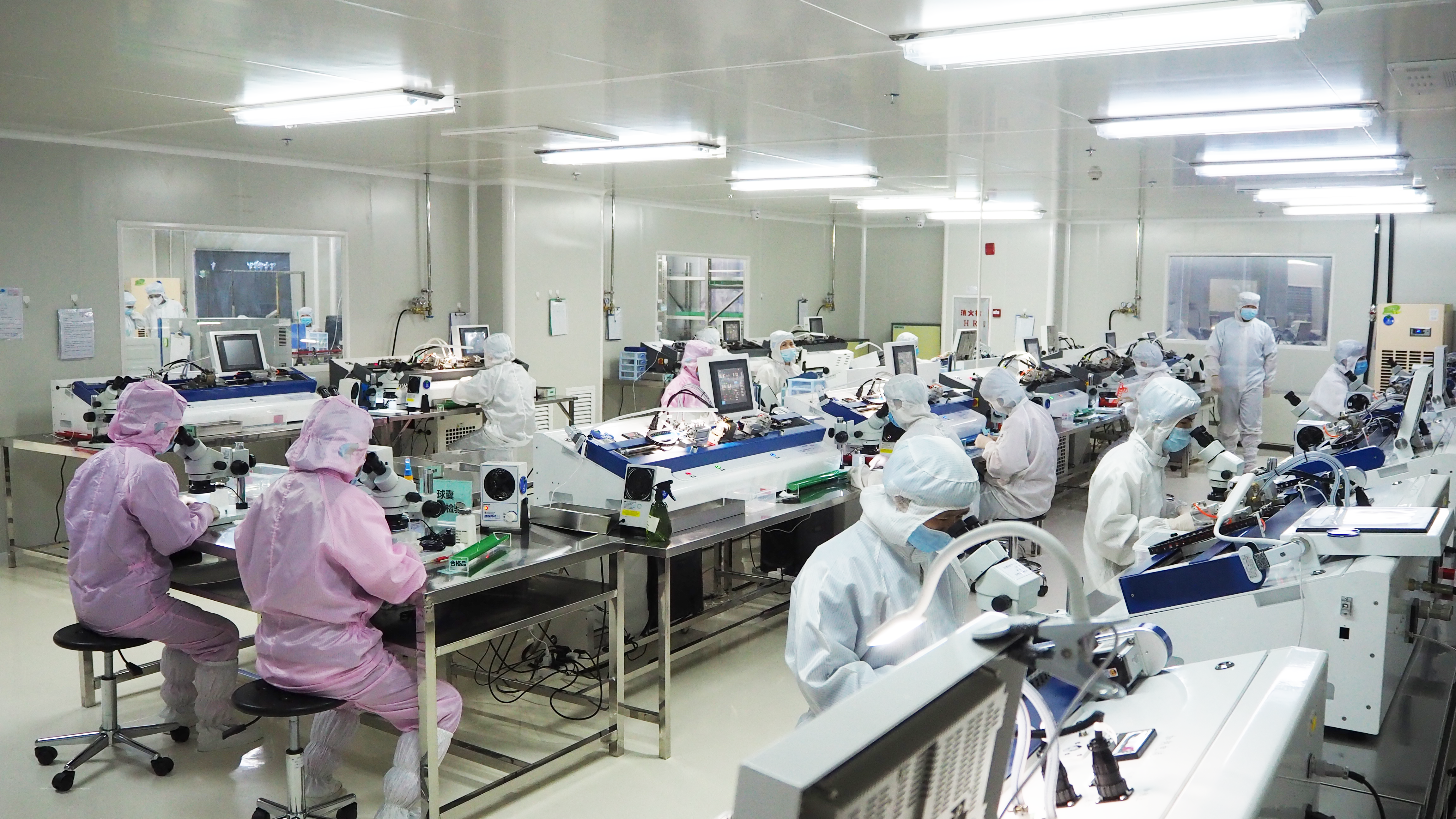
Ask for raw data, not summary tables. Request sample lots, perform bench tests under your protocols, and insist on lot-to-lot variability reports. Pitfalls: accepting single-run test reports, relying on vendor-specified pass/fail thresholds without blind verification, and overlooking supply-chain concentration risks (single-source critical components). Watch for inconsistent test fixtures or uncalibrated equipment noted in attachments—that’s a red flag.
Building a repeatable scoring framework
Create a weighted scoring model that reflects your operational priorities: safety-critical metrics (burst pressure, balloon compliance) at 35–45%; manufacturing quality (process controls, ISO certifications, supplier audits) at 25–35%; clinical evidence and user feedback at 15–25%; commercial and logistical factors (lead times, MOQ, secondary sourcing) at 10–15%. Score vendors on normalized scales and run sensitivity checks to see which weights change procurement outcomes.
Real-world validation and EEAT
My team has audited multiple suppliers and run comparative bench evaluations; we base judgments on traceable test protocols and documented lot histories. At the Transcatheter Cardiovascular Therapeutics (TCT) conference in the U.S., manufacturers published comparative bench and early-clinical data that informed device-specific risk models—those presentations remain a reliable reference point. For hands-on verification, include a trial series of the actual device, and compare competing devices against a control like a CE- or FDA-listed device; if you need a reference for device form factors, examine a contemporary catheter with balloon dataset and align your test matrix to those parameters.
Alternative vendor categories and when each fits
Consider three vendor tiers: OEMs with deep R&D and clinical teams for novel devices; contract manufacturers with tight process controls for established designs; and regional suppliers for cost-sensitive, high-volume components. Choose OEMs for innovation and clinical support, CMOs when scale and consistency matter, and regional players only when validated by third-party audits. Evaluate total cost of ownership, not just unit price—service levels and change-control responsiveness often drive value.
Final synthesis and practical outcome
Comparative analysis narrows choices to manufacturers whose technical deliverables align with your risk tolerance and clinical needs. Apply a weighted rubric, verify claims with blind bench tests and sample lots, and prioritize suppliers proven in head-to-head evaluations. For pragmatic alignment between specification and supply reliability, I recommend triangulating vendor data, site audits, and trial runs—an approach that led our clients to select partners with consistent performance and documented traceability such as Shunmei.