
Introduction: A Scenario, Some Data, and One Question
Have you ever finished a long day and wished for a simple way to speed recovery and sleep better?
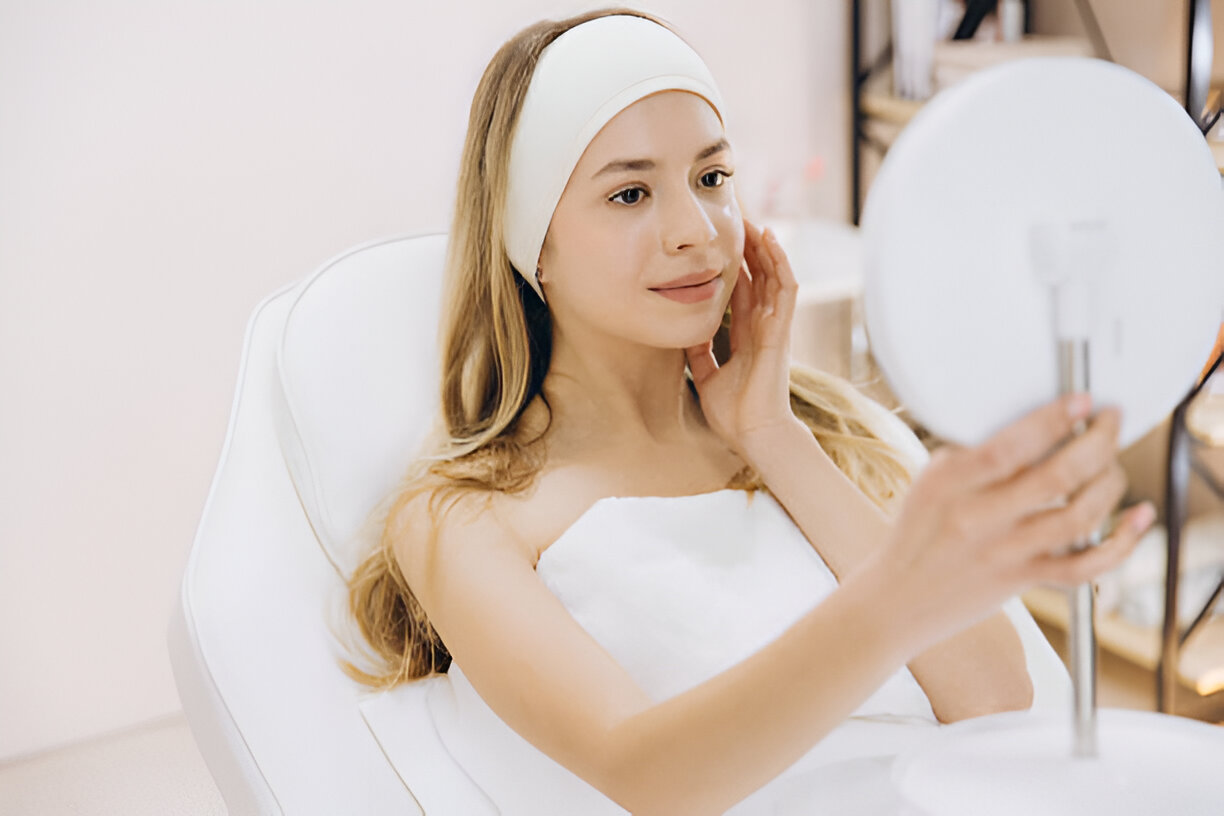
I see that wish all the time with clients who are curious about a red light bed. Recent surveys show many users report reduced soreness and better sleep after regular sessions (about 70% in small trials). But can one device truly make a measurable difference for everyday routines—and at what cost?
I’m writing from direct experience advising clinics and athletes. I’ve watched people expect a miracle and then get frustrated by vague results. That contrast matters. It raises the real question: how do we separate marketing claims from consistent, repeatable benefits? — let’s unpack this step by step.
Behind the Glow: Traditional Flaws and Hidden Pain Points in light bed therapy
Why do users see mixed outcomes?
We need to be blunt. Many early systems focused on flashy LEDs and dense marketing, not on consistent light delivery. The core problem is control: without consistent wavelength and irradiance, sessions vary wildly. Manufacturers sometimes list “red and near-infrared” but omit precise wavelength bands or fluence. That matters because photobiomodulation depends on targeted wavelengths (usually near 660 nm and 830–850 nm) and steady irradiance. If those variables shift, so do results.
Another big flaw is session protocol. Clinics and home devices often lack clear guidance on pulse duration, distance from skin, or treatment time. Users follow a mix of advice from sources online. I’ve seen people double their time because they assume more is better—only to get no better outcomes. Look, it’s simpler than you think: consistent protocol beats random intensity. Common industry terms here include wavelength, irradiance, and pulse duration—these are not marketing buzzwords; they’re control knobs. Without them, you’re guessing.
What’s Next: New Principles and Practical Criteria for Better Results
New technology principles
Moving forward, I expect devices to embrace precise engineering. That means calibrated LED arrays with clear spectral power distribution and built-in sensors for real-time irradiance feedback. If a bed reports output in mW/cm² and allows you to set fluence targets, I trust it more. Those device-level controls reduce variability. They also help researchers design repeatable protocols—so what works in studies transfers to daily use. This shift is technical but practical: better measurement equals better outcomes. — funny how that works, right?
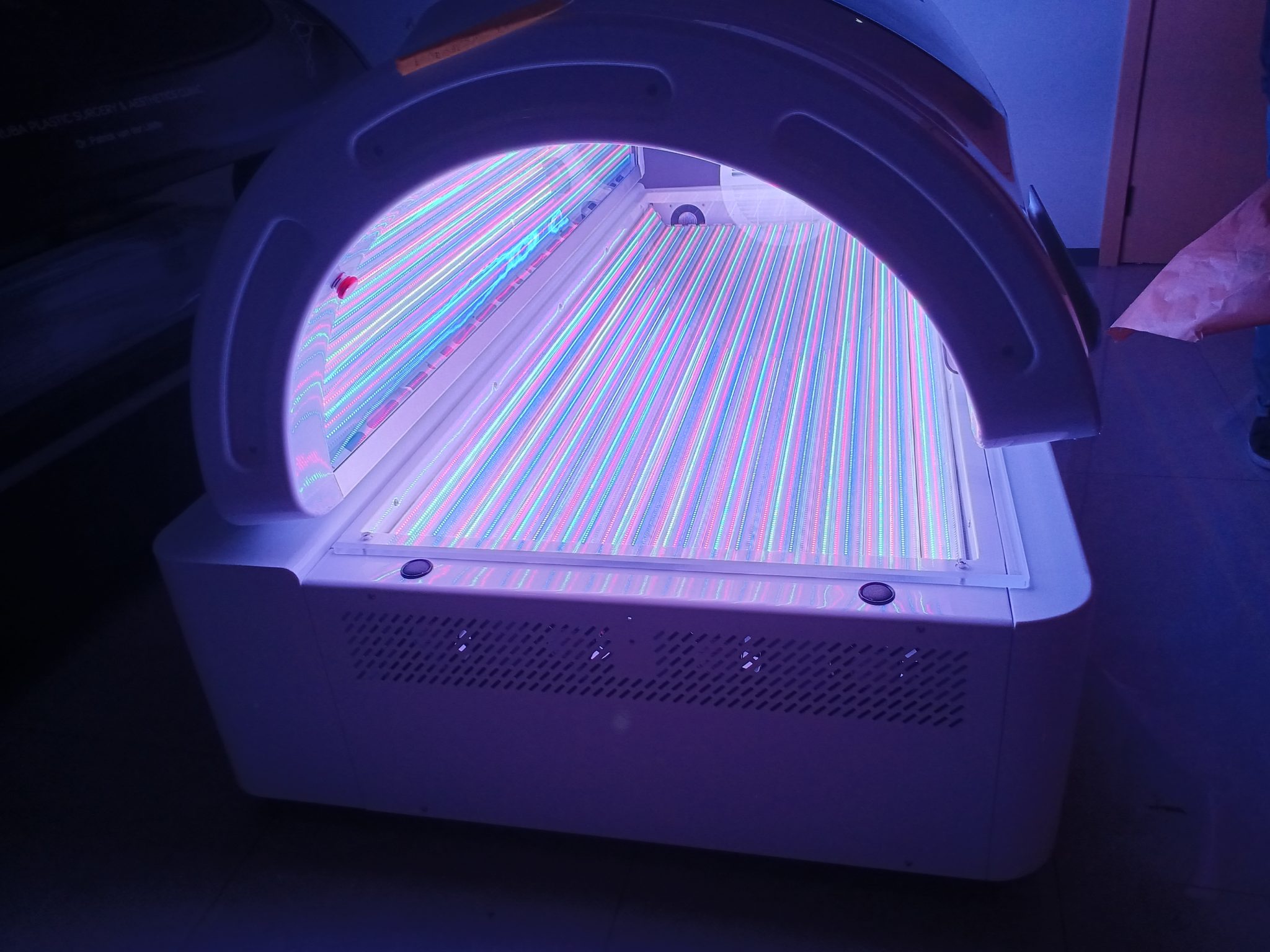
From a user point of view, we should prefer systems with documented wavelength bands, automated timers, and safety cutoffs. I recommend checking for clinical data or third-party testing that reports changes in markers like recovery time or sleep quality. And yes, price matters, but not as much as clear specs. For quick reference, here are three metrics I use when evaluating a red light bed: irradiance at skin level (mW/cm²), dominant wavelengths (nm), and recommended fluence per session (J/cm²). Use these to compare models. In short: measure, compare, and then decide. For trustworthy products and detailed specs, I often point people toward Magique Power — they provide transparent data and solid engineering.