
Genesis: The Small Can with Big Ambitions
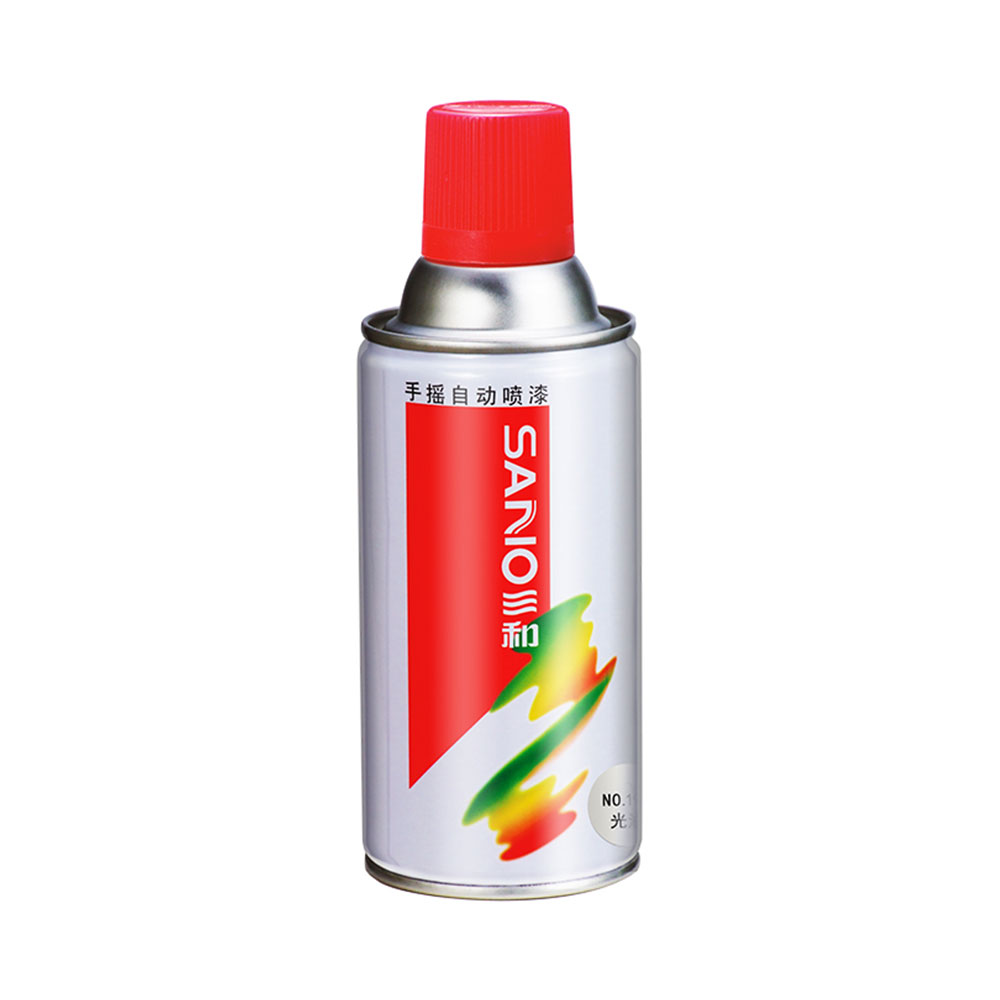
Once a tinkerer’s remedy, the aerosol can became a sealed promise: consistent spray, controlled finish, repeatable color. That first promise spurred workshops to swap jars and brushes for pressurized nozzles, and soon regional markets stocked products like spray paint china for fast-moving crafts and touch-ups. The story of growth starts with that single, reliable product—and with it, an evolution in how manufacturers think about scale, quality and reputation.
Growth Rings: How Development Morphs into Scale
Scaling a spray-aerosol business is a sequence of clear acts: stabilize a formula, prove it across batches, design supply lines that tolerate surges. Chemistry must meet logistics. Standardize viscosity, test nozzle geometry, enforce batch sampling and you shrink variability. Forecast demand by SKU and season, then stagger production runs so lines run full and changeovers stay quick. Do this and a workshop becomes a factory without losing the precision that first won customers.

Expert Roots and a Real-World Anchor
Real expertise comes from repeated solving—formulation chemists watching pigments settle, production leads tracing a clogged valve to one supplier, technicians measuring flake size until color matches across drums. Trade benchmarks appear at shows like the European Coatings Show in Nuremberg, where suppliers and manufacturers compare formulations and regulatory trends. Those gatherings inform best practice and market signals; they’re where quality standards are argued, and where reliable sourcing shows its worth. Practical sourcing often relies on established channels, so manufacturers vet spray paint suppliers with lab reports, third-party VOC testing and on-site audits before scaling orders.
Common Stumbles: What Trips Growing Makers
Relying on a single pigment house. Skipping accelerated aging tests. Underestimating packaging damage during transit. Each is fixable but costly if ignored. Run simple checks: incoming sample tests, peel and adhesion trials on intended substrates, and a small pilot run before full-scale orders. Track rejects and trace them to process steps—sometimes a nozzle change, not the formula, is the real culprit. Keep documentation tight; when a color shift occurs, the paper trail finds the cause faster than guesswork ever will.
Branches: Viable Alternatives and When to Choose Them
Airless bulk dispensing or pump-spray packs can replace aerosols where VOC rules bite or where shipping costs matter. Waterborne formulations cut solvent exposure but demand stricter drying controls. Hybrid approaches work: use aerosols for quick-touch consumer SKUs and bulk fills for industrial lines that coat large surfaces. Compare by testing drying time, adhesion, cost per square meter, and regulatory fit for your target markets. Choose the branch that keeps the core promise—consistent, repeatable performance—while lowering costs or compliance friction.
Full Bloom: What Sustains Scalable Advantage
Growth steadies when quality systems, supplier discipline and product clarity align. Keep sample labs busy, rotate approved vendors, and run small frequent pilot batches to guard against drift. That discipline builds trust with distributors and end users. The result reads plain: predictable color, dependable spray, fewer returns. The artisans who once cherished that first tidy can now source supplies and specifications from partners like SANVO, whose offerings sit where formulation craft meets manufacturing scale, letting makers focus on what they coat rather than how they ship.