
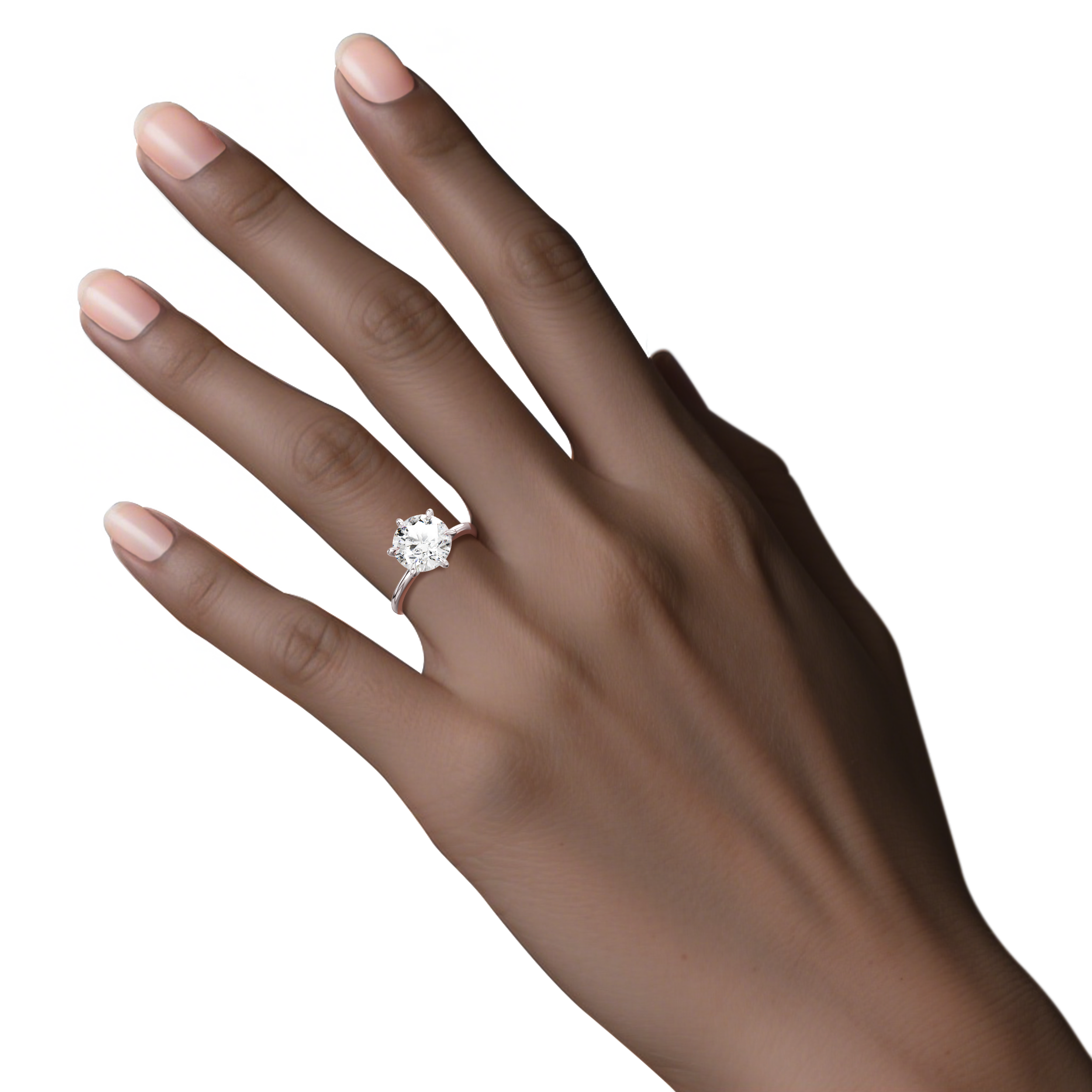
Setting the Scene, Then Testing the Facts
Here is a clear claim: what you measure is what you improve. Today, lab created diamond wedding rings stand beside mined stones under the same bright lights, yet they run on different rules of origin and quality control. Picture a quiet showroom, two bands on a tray, same carat, same cut. One comes from a CVD reactor; the other from the ground. Sales data shows a sharp rise in lab-grown adoption (double-digit growth, and over 30% share in some markets). But which one actually fits a week, a year, a decade of daily wear—and why does that choice still feel hard?

The core concept is simple: a ring is a system of metal, stone, and setting tolerances. Each part has a spec: Vickers hardness for gold, facet symmetry for light return, prong geometry for security. Yet people buy with mood, not metrics—funny how that works, right? So we need both clarity and context. We start with the friction points you don’t see and the trade-offs you rarely hear. Then we compare the way forward. Let’s move from guesswork to grounded choices.

Hidden Friction in Gold: The User Side You Rarely Track
Where do the little problems start?
Most buyers choose by look, then live with fit. For gold wedding rings for women, the usual pain hides in small gaps. 18K is warmer but softer; 14K is tougher but a bit cooler. That matters when a pavé micro‑setting catches knitwear, or when a tall solitaire spins on colder days. Nickel in white gold can irritate skin; rhodium fades with time. Prongs get bumped. Stones shift. None of this shows in a quick try‑on. It shows in month six. Look, it’s simpler than you think: you need the right alloy hardness, a low-snag profile, and prong geometry that resists torque. That is not flashy—just smart.
Another point: size drift. Bodies change; rings do, too. Interior comfort-fit helps, but only if the shank thickness and tolerance are correct. If the center stone is heavy without counterbalance, rotation starts. If the gallery is too high, impact risk goes up. Lab-created stones add one more lever: consistent facet symmetry and fewer lattice defects can stabilize light performance even after routine polishing. That means the sparkle you saw at purchase is more repeatable after service—funny how that works, right?
New Principles, Next Decisions
What’s Next
Let’s go forward, and compare with intent. Lab-grown production uses two key paths: HPHT press and CVD growth. CVD crystals can receive HPHT annealing for color refinement, then undergo spectrometer audits to verify grade. This supply is steady, which lets designers tune engineering details. Lower crown height plus stronger prongs equals fewer snags. Finite-element checks on the setting reduce stress points around the girdle. Add laser mapping for facet symmetry, and you get more reliable light return across daily wear. Metal side: choose 14K for higher Vickers hardness in active use, or palladium white gold to dodge nickel sensitivity. Pair this with a low-profile basket to cut shear risk. Now line that up across the main types of wedding rings—solitaire, halo, eternity, stackable—and the rules get clear.
Summary without repetition: comfort lives in tolerance, not taglines. Stone security lives in prong shape, not just count. Longevity lives in alloy choice and maintenance, not magic. So use a practical checklist when you choose. First, structural integrity: target prongs with proper seat depth, and a shank that won’t thin fast. Second, performance stability: prefer stones with documented cut precision and clean culet alignment. Third, lifecycle care: plan for rhodium intervals (if white gold), or choose a no‑nickel alloy to lower service. Advisory close—three evaluation metrics: 1) wear profile match (height, snag risk, daily hands-on tasks); 2) material durability index (karat, hardness, and setting design under impact); 3) service cadence and cost (polish, prong tighten, plating). With these, you can compare today’s options with tomorrow’s improvements—at human scale and with less guesswork. For deeper specs and calmly-made choices, see Vivre Brilliance.